
Between Silence and Takbir
Mataram — The March sky in eastern Indonesia’s regions presents an unusual atmosphere. Within the span of days, two major religious celebrations arrive in succession.
In Bali, Hindu worshippers prepare to enter the silence of Nyepi, while in many other regions, including Nusa Tenggara Barat (NTB), Muslim communities prepare to welcome the echoing takbir of Idul Fitri.
In 2026, these two spiritual moments coincide within a very close timeframe. Nyepi falls on 19 March, whilst Idul Fitri is estimated on 21 March.
Between these two dates, takbiran nights have the potential to overlap with the atmosphere of silence. This situation presents both a challenge and an opportunity: how to maintain harmony amid different ways of celebrating faith.
Indonesia is no stranger to diversity. Every moment that brings two major traditions together within an almost simultaneous timeframe always tests social maturity. This is where tolerance is no longer merely a slogan, but a concrete, everyday living practice.
The convergence of two traditions
Nyepi and Idul Fitri carry different spiritual messages, but they complement one another. Nyepi teaches silence, reflection, and self-restraint through Catur Brata Penyepian: not lighting fires, not travelling, not working, and not indulging in entertainment. Idul Fitri, conversely, brings joy, as Muslim worshippers, after a full month of self-restraint, then proclaim takbir, visit one another, and celebrate spiritual victory.
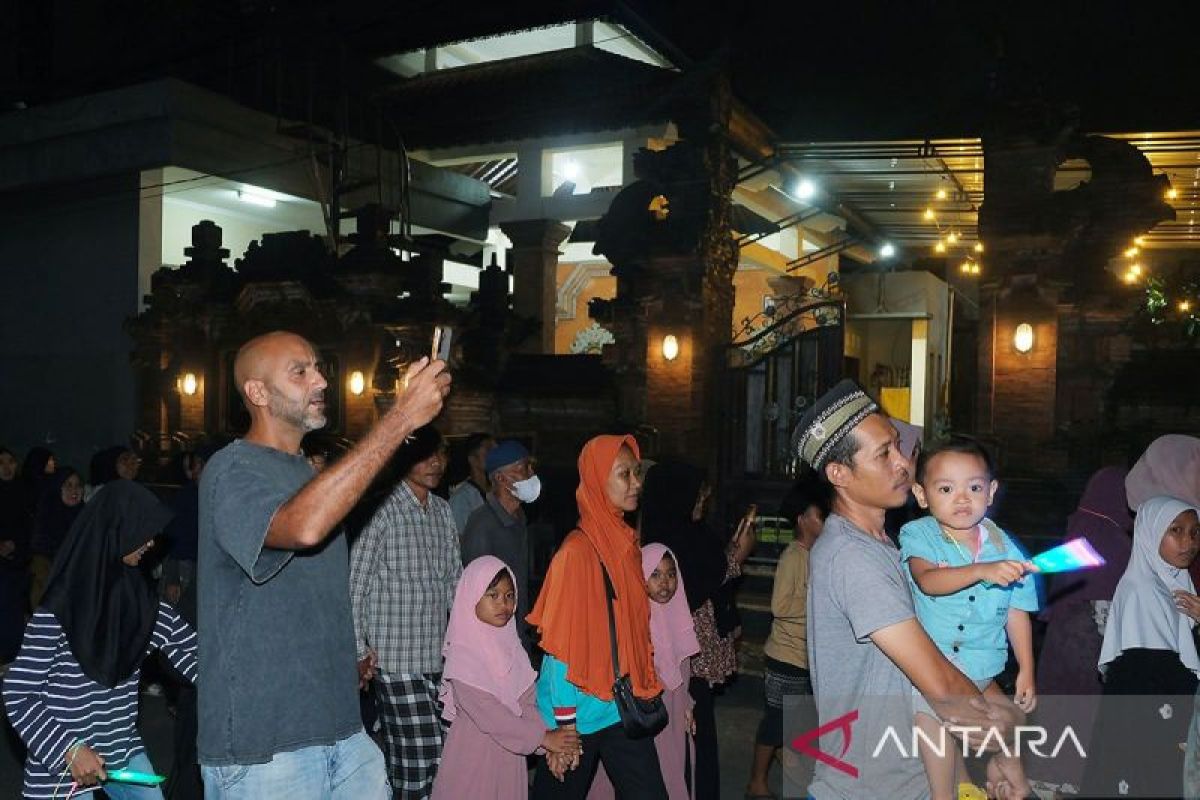
The convergence of these two traditions is evident in Bali and Mataram, NTB. Ahead of Nyepi, the Hindu community holds ogoh-ogoh processions as a symbol of purifying nature of negative energy. Meanwhile, Muslims begin preparing takbiran nights, typically enlivened by activities at mosques and prayer halls.
For this reason, various parties seek a meeting point so that both celebrations proceed respectfully without disturbing one another. The government, religious leaders, and security forces have formulated several adjustments. One of them is the implementation of takbir, which remains permitted, but with certain restrictions.
In Bali, for example, takbir can be conducted at the nearest mosque or prayer hall on foot, without loudspeakers and limited to nighttime hours. This approach demonstrates that religious traditions can continue to be observed whilst maintaining respect for others’ beliefs.
Past experience also shows that Indonesian society has been able to navigate similar situations. In 2004, Nyepi coincided with Idul Fitri, and both celebrations proceeded relatively safely. This is evidence that tolerance is not merely discourse, but has become a living social practice within society.
This year’s moment can even serve as a valuable lesson on how diversity is genuinely cared for.
Tolerance being tested
If Bali often becomes a symbol of tolerance based on local wisdom, then other regions, such as Mataram in NTB, demonstrate a different face of harmony, yet equally strong. The city is inhabited by various religious communities with diverse traditions.
In Mataram, society faces not only the possibility of Nyepi and Idul Fitri converging, but also social dynamics, such as ogoh-ogoh processions and takbiran activities. Both activities equally involve mass mobility and potential for crowding.
For this reason, appeals for takbir to be conducted more frequently at mosques becomes an important step. Besides maintaining the solemnity of worship, this policy also helps minimise the potential for friction in public spaces. This approach demonstrates that tolerance often emerges from a willingness to exercise restraint.