
Between E-KTP, Photocopies, and Card Readers...
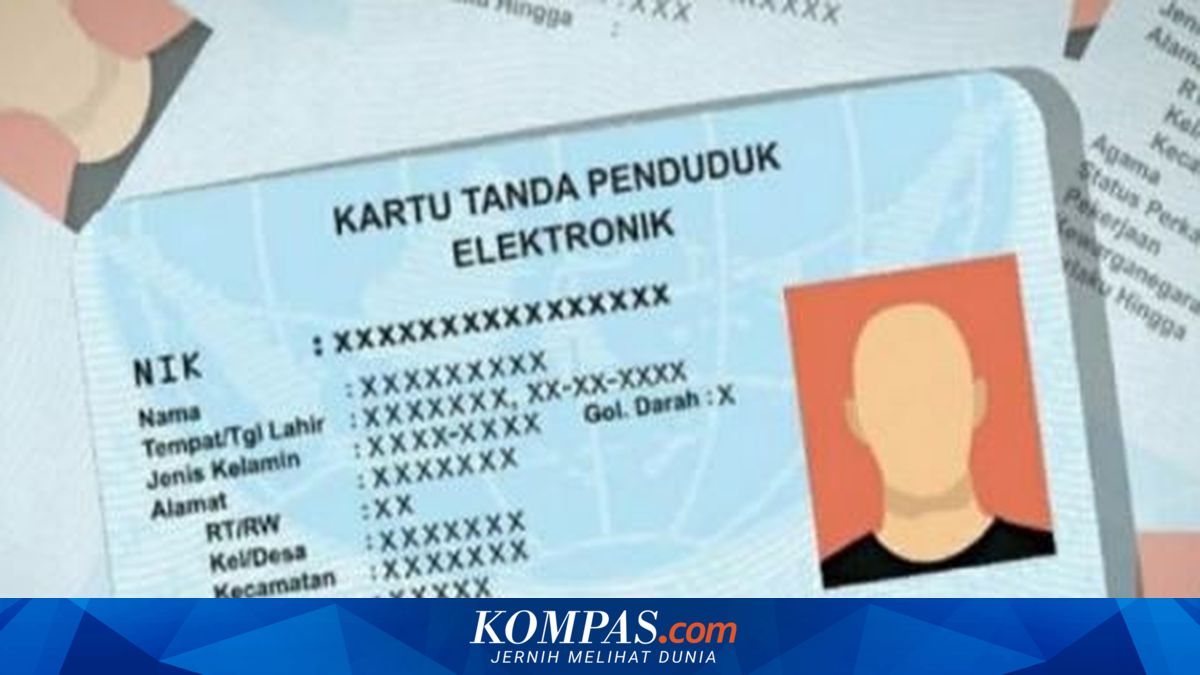
JAKARTA, KOMPAS.com - The intersection between personal data protection and administrative needs has come under scrutiny again after the Ministry of Home Affairs warned of legal risks associated with photocopying e-KTPs. Director General of Population and Civil Registration at the Ministry of Home Affairs, Teguh Setyabudi, stated that duplicating or photocopying e-KTPs constitutes a violation of personal data protection. “Actually, e-KTPs no longer need to be photocopied, as that is indeed a violation of PDP (Personal Data Protection),” said Teguh in Depok, West Java, on Wednesday (6/5/2026). The legal basis for protecting personal identity is regulated in Law Number 27 of 2022 on Personal Data Protection (UU PDP). Article 67 stipulates criminal penalties for violators, including a maximum prison sentence of five years or a fine of up to Rp5 billion. Ironically, despite being regulated by law, the practice of photocopying e-KTPs for administrative purposes remains widespread. Teguh acknowledged that this practice is commonly found in both government and private institutions. “Why are they still being photocopied so much now? Because some user institutions in the administrative process are still using manual systems and physical archives,” said Teguh to Kompas.com on Thursday (7/5/2026). Teguh reminded that e-KTPs are equipped with chip technology containing the owner’s electronic identity data. Additionally, another reason for continuing the duplication practice is that various institutions still require photocopies of KTPs. He urged that such regulations need to be reviewed. “The utilisation of e-KTPs equipped with chips that should be readable electronically via card readers or other devices, but now they are still being photocopied,” he said. The Ministry of Home Affairs encourages all institutions to abandon the photocopy requirement and start utilising card scanning devices (card readers).