
Benefits of MBG Programme Already Felt Down to Grassroots Communities
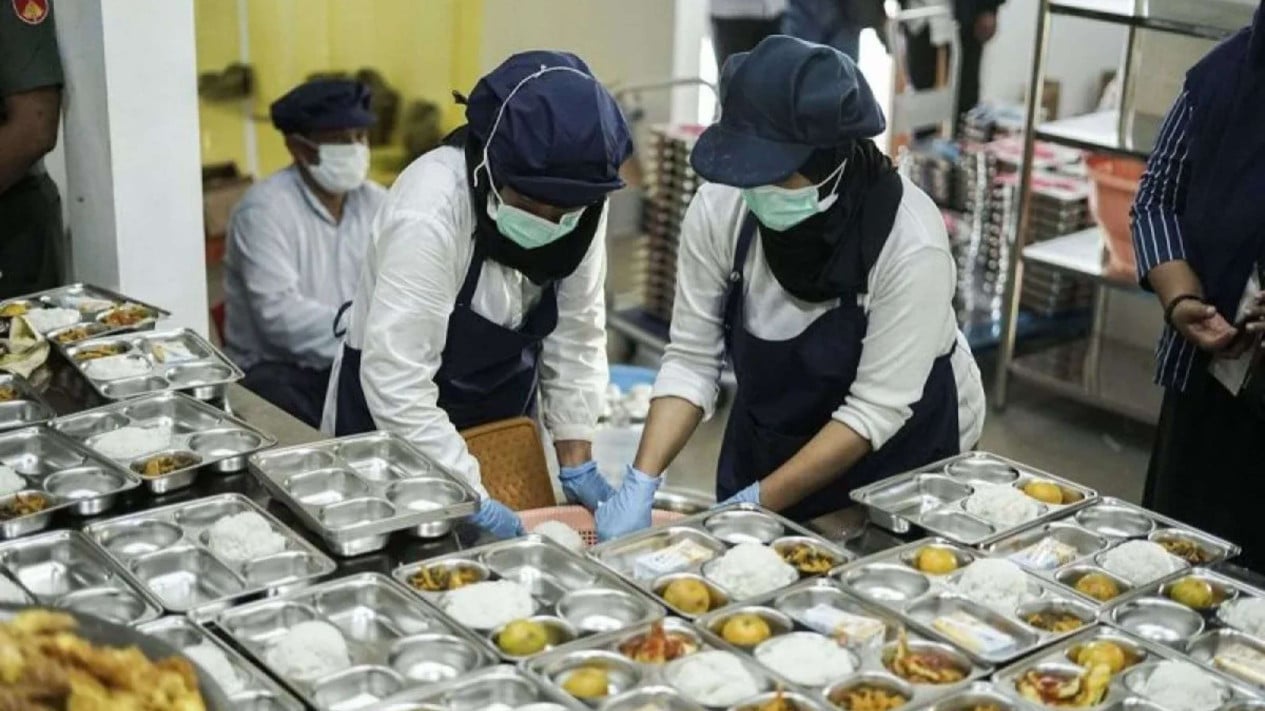
The Free Nutritious Meals (MBG) programme, which is currently being refined by the government, is assessed by some members of the public as already functioning at the grassroots level. This view was expressed, among others, by a youth figure and the Secretary General (Sekjen) of the All-Indonesia Village Business Actors Association, Ahmad Alimudin. Data from the Research Institute of Socio-Economic Development (RISED) shows the initial direct impact of MBG, particularly from the perspective of parents of beneficiary students. Moreover, the data comes from RISED’s study in several regions such as Cilacap, Semarang, and Surakarta, involving around 1,800 parents of MBG beneficiaries. “There are interesting findings from these results. Some families feel their daily expenses have become lighter. Parents are preparing packed lunches less frequently, and children’s pocket money is being adjusted,” said Alimudin in his statement on Friday, 1 May 2026. “From this data, it is clear that MBG is needed by some. Especially low-income families,” he added. Alimudin sees the majority support from the grassroots, particularly in small cities, as an indicator that the MBG programme has a real impact on the community. According to him, the current focus of MBG will also target low-income families as priority beneficiaries, as directed by the President and conveyed by the Deputy Head of BGN, Nanik S. Deyang, recently. “The programme (MBG) is useful and has an impact. And as we know, MBG is now starting to focus on low-income families as priority beneficiaries,” said Alimudin. “Because in the end, what is most important is not the political narrative war. But whether Indonesian children truly get better access to nutritious meals or not,” he stated. The RISED report, which recently surveyed parents of students in three cities in Central Java, indicates that more than 80 percent of low-income families support the continuation of the MBG programme. Their reasons are considered fundamental, namely the peace of mind knowing their children are guaranteed to eat at school, so they no longer feel anxious. In addition, around 8 out of 10 parents admit that their children have become more regular in consuming nutritious food and rarely miss meal times after the MBG programme has been implemented at school.