
Bekasi Traders Baffled by Plastic Price Surge Due to War
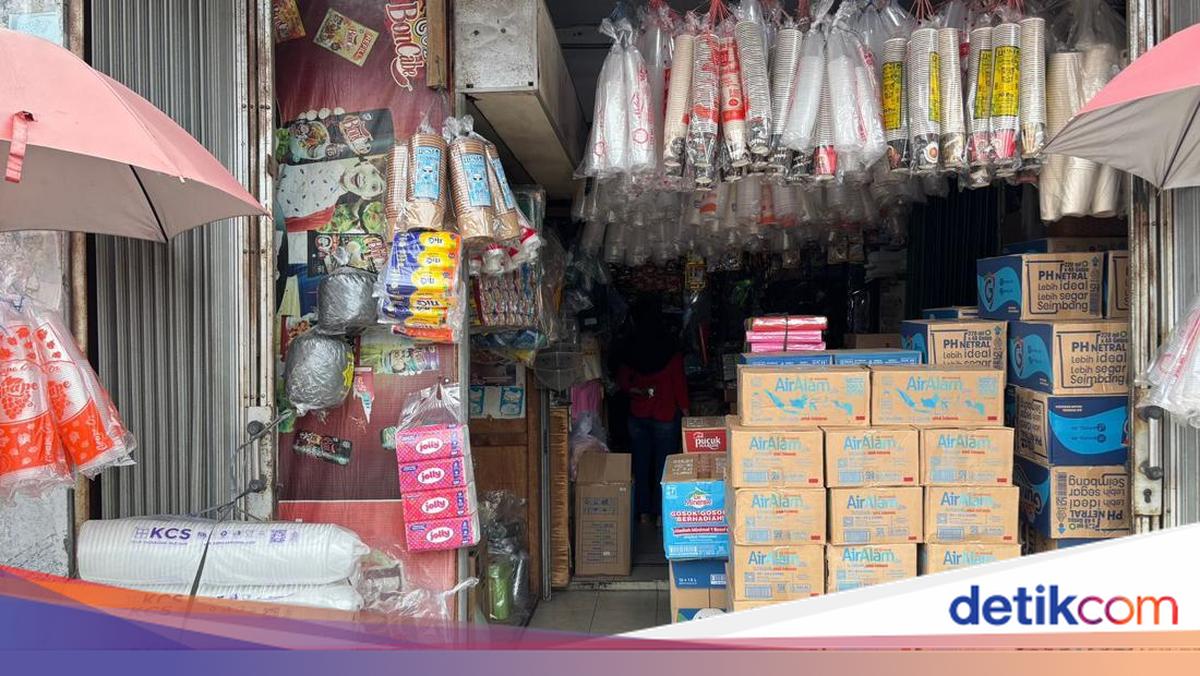
Several plastic traders in Bekasi, West Java, are complaining about the rising prices of plastic in the market. The traders say the price increase is triggered by the higher cost of raw materials due to the war in the Middle East.
A plastic trader at Pasar SBS, Zainuddin (47), revealed that this increase has been felt since early March. According to him, the price changes occur very quickly and are difficult to predict.
“The rise started on 1 March. It’s said to be the impact of the war, with crude oil supplies hampered because plastic raw materials come from there. The plastic pellets have gone up,” said Zainuddin at Pasar SBS, North Bekasi, on Friday (25/3/2026).
He said this price increase affects almost all plastic products. From plastic shopping bags, bulk plastic, to food containers (thinwall). Here is the breakdown of the plastic price increases at Pasar SBS:
Plastic Shopping Bags: From Rp 10,000 to Rp 15,000 per pack
Bulk Plastic: From Rp 9,000 to Rp 15,000 per pack.
Thinwall (500 ml): From Rp 23,000 to Rp 28,000 per pack
Zainuddin admitted to being confused by this situation. This is because distributors often provide new price lists in a very short time. Even, price changes can happen in just hours.
“We’re confused, every time we want to shop, we’re given a new price list. Last night the price was this, tomorrow morning it’s changed again,” he complained.
This situation directly impacts the traders’ capital turnover. Zainuddin recounted that previously with Rp 1 million in capital, he could stock various types of plastic. But now, the amount of goods obtained has drastically decreased.
“Previously with a million, I could get various items. Now with a million, I only get one type of plastic, so in the end, we pull back (reduce stock),” he said.
Another plastic trader named Upi (60) at Pasar Seroja said the same thing. However, even though prices are soaring, buyers who are mostly small and medium food enterprises still have to buy because they need packaging for their goods.
“Well, because they need it, the customers just buy,” said Upi.
Upi said this year’s increase is the worst compared to previous years. She hopes the government can intervene soon to stabilise prices.
“The hope is that the war ends so plastic prices return to normal,” said Upi.
The plastic industry is currently feeling pressure due to the escalation of the global conflict in the Middle East, which has triggered a surge in raw material prices in the international market. Plastic raw material prices are reported to have nearly doubled in recent times.
General Secretary of the Indonesian Olefin, Aromatic, and Plastic Industry Association (Inaplas), Fajar Budiyono, said that the heating geopolitical situation is also affecting the raw material supply chain for the industry, especially due to the increasingly uncertain conditions in the Strait of Hormuz.
“Currently, the war situation is intensifying, with mutual attacks and the Strait of Hormuz becoming more difficult. The industry is focusing on managing feedstock and finished goods,” said Fajar, quoted by CNBC Indonesia.
Fajar revealed that the current increase in plastic raw material prices is quite significant. Previously around Rp 15,000-17,000 per kilogram (kg), now the price has reached around Rp 30,000 per kg.