
Bekasi Regency's Disbudpora Processes Five Objects to Be Designated as Cultural Heritage
The Bekasi Regency Department of Culture, Youth and Sports (Disbudpora) continues to strengthen its efforts to preserve regional history by promoting a number of historic sites and buildings to be designated as cultural heritage. The move is a reflection of the local government’s commitment to safeguarding the historical trace and local identity of Bekasi Regency so it does not disappear amid rapid industrial development and steady growth of modern housing in various areas.
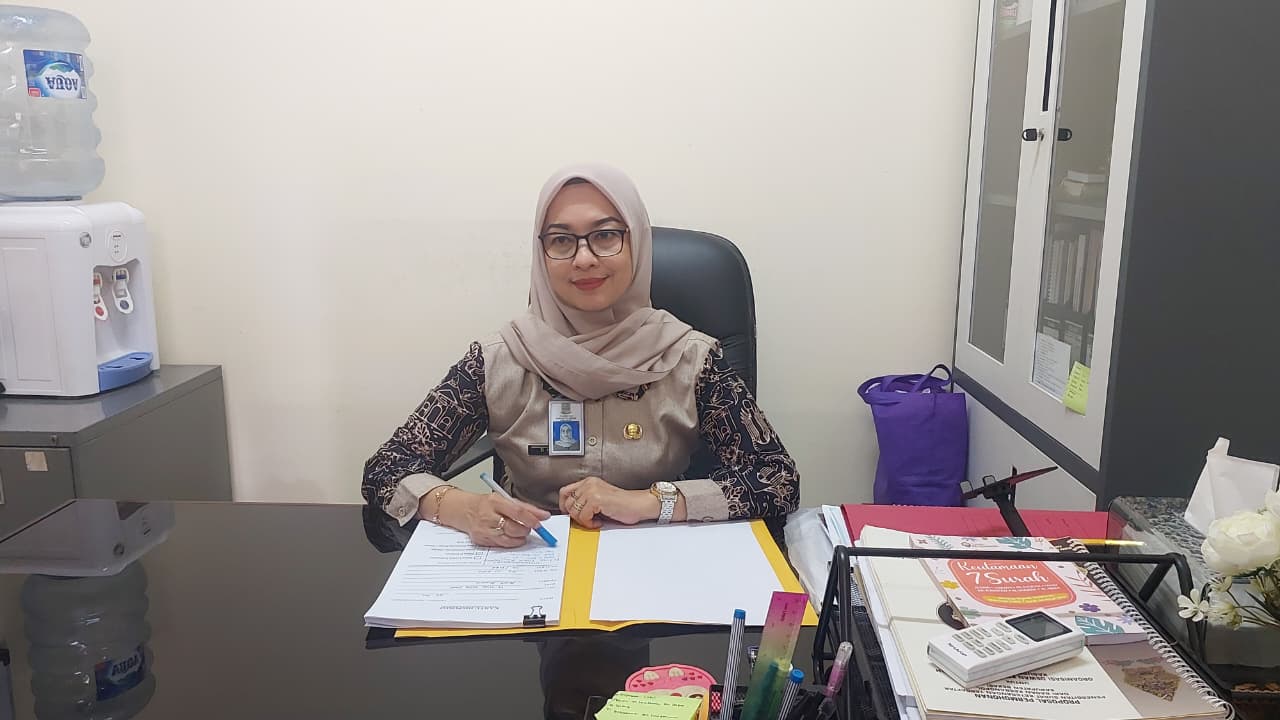
“Cultural heritage is not merely an old building; it is evidence of the community’s historical journey in Bekasi and must be protected together. If we do not designate and safeguard it now, the value of these histories could be lost as time goes on,” said Roro Rizpika, head of the Culture Section at Disbudpora Kabupaten Bekasi, in a statement on Friday (6/3).
Roro explained that this year five objects are being processed for upgrading to cultural-heritage status after undergoing inventory and initial data collection by the Disbudpora team. The five objects are: Cerobong Asap Kedungwaringin (Kedungwaringin Smoke Stack), Tugu Bambu Warung Bongkok, Rumah Etnis Cina Karangbahagia (Karangbahagia Chinese Ethnic House), Rumah Camat Pebayuran (Pebayuran Sub-district Headman’s House), and Asrama Pondok Pesantren Albaqiyatussholihat, which are deemed to have significant historical value for the development of Bekasi Regency’s community.
“These objects are being studied more deeply with an expert team to ensure their suitability. If they meet all criteria, we will raise their status to cultural heritage so they enjoy stronger legal protection,” he continued.
According to him, each object bears different historical value, ranging from the development of social life to governance history, and traces of economic and cultural activity in Bekasi Regency in the past. Therefore, the designation process is conducted carefully to ensure the objects truly hold important value for the region’s history.
“The Cultural Heritage Analysis Team (TACB) along with our team visits the sites to perform analysis, from tracing historical value and authenticity of the buildings to assessing their suitability for designation as cultural heritage,” he said.
Having Historical Value
He added that the process of inventorying historic objects is not only conducted through internal government research but also involves community participation, as residents frequently report old buildings or sites believed to have historical value in their neighbourhoods. “Much of the information also comes from citizens who know about old buildings or historic sites in their area. We follow up with on-site verification to confirm their condition and historical value,” Roro explained.
He also stated that to date the Bekasi Regency government has designated nine objects as cultural heritage across several areas, including Kedunggede Station, Lemahabang Station, Al-Mujahidin Mosque, Cibarusah; Simpangan 01 Elementary School, Cikarang Utara; the Former Pebayuran Landlord’s House; Juang Building, Tambun Selatan; Setia Darma 01 Elementary School, Tambun Selatan; the Former Kawedanan Office in Cikarang, which now serves as the Regional Public Library; and Saung Ranggon in Cikarang Barat.
“In addition, there are currently 34 objects suspected to be cultural heritage that have already received decisions and are under supervision and further study by the local government,” he added.
He emphasised that an object can be categorised as a cultural heritage if it has significant historical value and is at least 50 years old, though the main criterion remains its historical value and its connection to the journey of the Bekasi people.
“Cultural heritage must be cared for and preserved, not merely seen as old buildings. This is where the region’s identity is formed and can become a vehicle for teaching history to future generations,” he concluded.