
Bekasi City Government Confirms Continuation of Rp 100 Million RW Grant Programme Despite DPRD Request for Delay
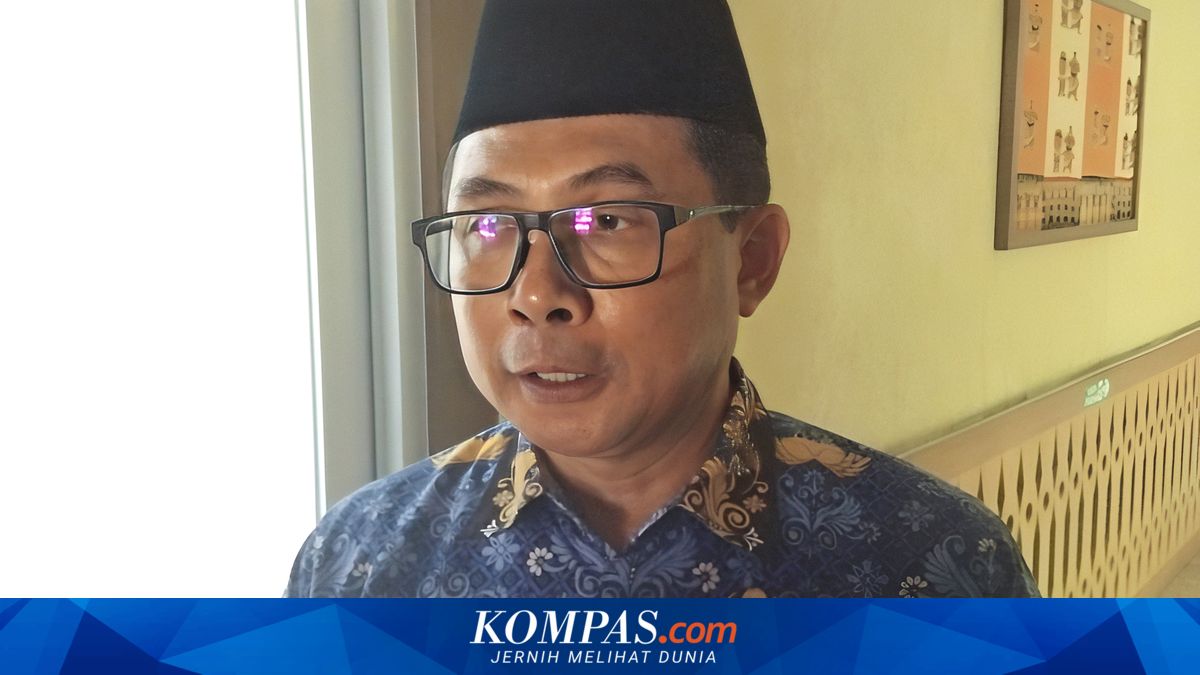
Bekasi City Government (Pemkot Bekasi) has confirmed that the Rp 100 million grant programme for neighbourhood associations (RW) will continue according to its stages, despite a proposal for postponement by the Chairman of the Bekasi City DPRD, Sardi Efendi.
The Head of the Government Administration Section at the Bekasi City Regional Secretariat, Shovie Adi, stated that the RW grant programme is part of the implementation of the Lingkar Bekasi Keren programme.
“The programme will proceed according to its stages, namely preparation, planning, implementation, and reporting,” Shovie said when met at the Pemkot Bekasi Plaza on Monday (27/4/2026).
“After the Pokmas is formed, they carry out their role in compiling the programme planning,” he added.
The programme’s implementation is scheduled to begin in May 2026. Meanwhile, the fund disbursement process will be coordinated by the Regional Financial and Asset Management Agency (BPKAD).
“For the disbursement, it will be handled by BPKAD. In principle, as long as there is a proposal, the disbursement process will be carried out according to the mechanism,” he said.
Pemkot Bekasi has also ensured that all stakeholders understand the programme mechanism through socialisation conducted since 2025. The socialisation has been carried out in stages from the sub-district, village, to RW levels, and is now being further strengthened.
“Even now, it is being strengthened massively in line with the leadership’s directives,” Shovie said.
He emphasised that the programme’s implementation must be guided by applicable regulations, both through the mayor’s regulation (perwal) and the mayor’s decision (kepwal). The RW grant, he said, is a form of community participation in environmental development.
Therefore, activity proposals must come from the real needs of residents conveyed through Pokmas.
He revealed that in previous implementations, a small portion of RWs did not participate. Out of a total of around 1,020 RWs, there were five RWs that did not join the programme.
“The hope is that in the future, all can participate,” he stated.
Shovie also reminded the importance of understanding each programme stage so that the implementation runs optimally and accountably.