
Beijing: The direction of China–Japan relations depends on Tokyo
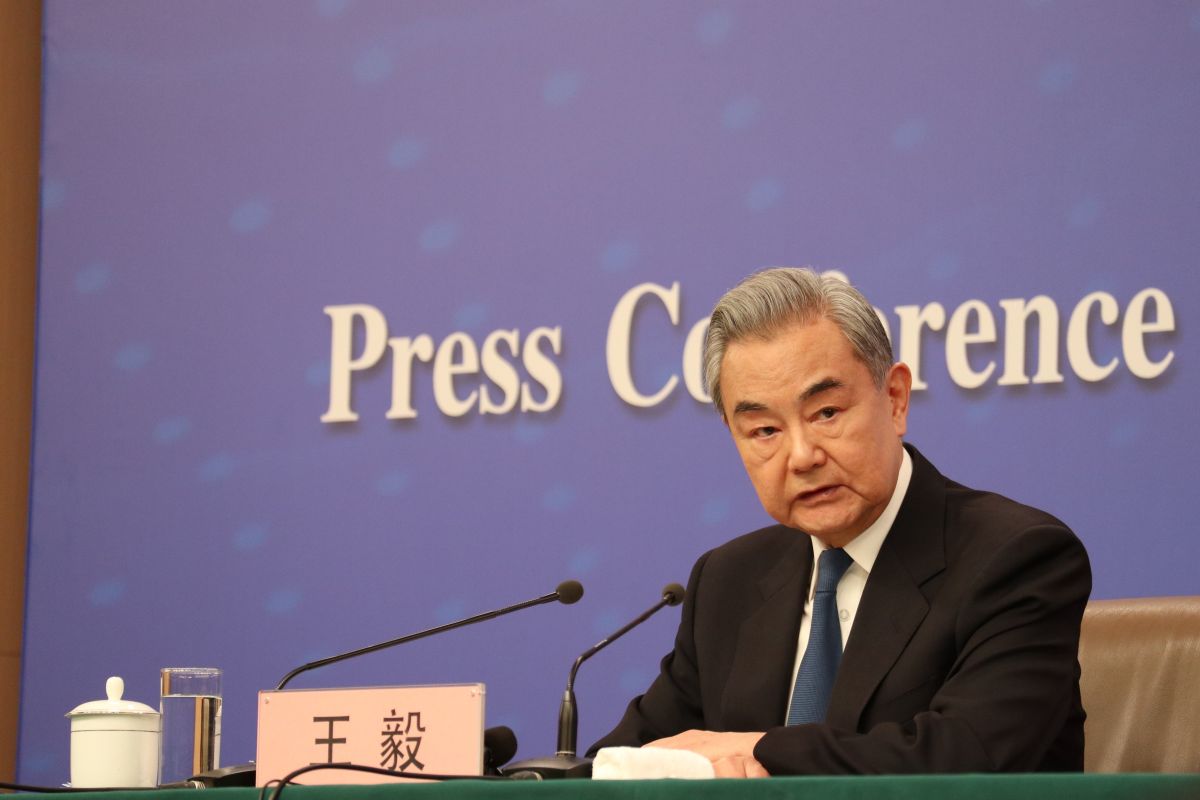
Beijing — Chinese Foreign Minister Wang Yi said the direction of relations between China and Japan in the future depends on the stance of the Japanese government led by Prime Minister Sanae Takaichi. ‘Where the China–Japan relationship will move depends on the choices of the Japanese side,’ Wang Yi said at a press conference on ‘China’s Diplomatic Policy and Foreign Relations’ in Beijing on Sunday. Last year in 2025, Wang Yi noted it was the 80th anniversary of the victory in the War of Resistance Against Japan, which should prompt Japan to reflect on its invasion and colonial rule over China, including Taiwan. However, the Japanese leadership currently in office allegedly states that if something happens in Taiwan, it would be a ‘crisis of existential survival’ for Japan, and on this basis Japan could exercise what is called collective self-defence, even though the right to collective self-defence should be based on the premise that the state itself has suffered armed attack. ‘I want to ask, Taiwan affairs are internal Chinese affairs; on what grounds would Japan intervene? If something happens in the Taiwan territory of China, by what authority can Japan exercise the right to self-defence? Does what is called the right to collective self-defence mean an attempt to change the pacifist constitution that prohibits the right to wage war?’ Wang Yi said. If one links this to the reality that militarism in Japan in the past used the pretext of a ‘crisis of existential survival’ to justify aggression abroad, then it is impossible for the Chinese people and people of various Asian countries not to feel wary and anxious, he added. ‘Where is Japan headed?’ Wang Yi asked. He also urged the Japanese people to see clearly and not let anyone misunderstand and repeat past mistakes. ‘China, which has grown strong and with 1.4 billion Chinese people, will not allow anyone to justify colonialism or reverse the verdict on aggression again,’ he declared. He also noted that Taiwan has always been part of China. ‘In the past, now, and in the future, Taiwan is by no means a country. The return of Taiwan to China is the result of the victory in the War of Resistance Against Japan and the victory in World War II,’ Wang Yi explained. In other words, any attempt to create ‘Two Chinas’ or ‘One China, One Taiwan’ will surely fail on the international stage, Wang Yi said. The international community’s opposition to Taiwan independence has repeatedly shown this. Adhering more firmly to the One China principle will ensure peace and stability across the Taiwan Strait, he added. ‘Taiwan matters are China’s internal affairs and lie at the core of China’s core interests. This red line must not be crossed or stepped on. We will not allow anyone or any power to separate Taiwan, which was long restored over 80 years ago, from China,’ Wang Yi asserted. The Chinese foreign minister said the historical process to resolve Taiwan and achieve full reunification cannot be halted. ‘He who follows the current will prosper; he who resists will perish,’ Wang Yi said. Earlier, on 7 November 2025, Japanese Prime Minister Sanae Takaichi said that the use of Chinese military force against Taiwan could threaten Japan’s survival. That statement has continued to strain China–Japan relations, as it is understood that Tokyo would allow the Self-Defense Forces to act to support Taiwan if China imposes a maritime blockade or applies other forms of pressure. In response, China has taken retaliatory steps, including suspending seafood imports from Japan, resuming a halt on high-level government meetings, advising Chinese citizens not to travel or study in Japan, halting Japanese film releases, and promising to respond firmly if Tokyo becomes militarily involved in Taiwan affairs. Taiwan is currently led by Lai Ching-te of the Democratic Progressive Party (DPP). He is seen as a steadfast advocate of Taiwan independence. Beijing calls him ‘dangerous’ and a member of the ‘separatist’ camp that could trigger cross-strait conflict.