
Behind the Wheel at Grab: The Struggle of Partners to Survive, Rise, and Depart for Umrah
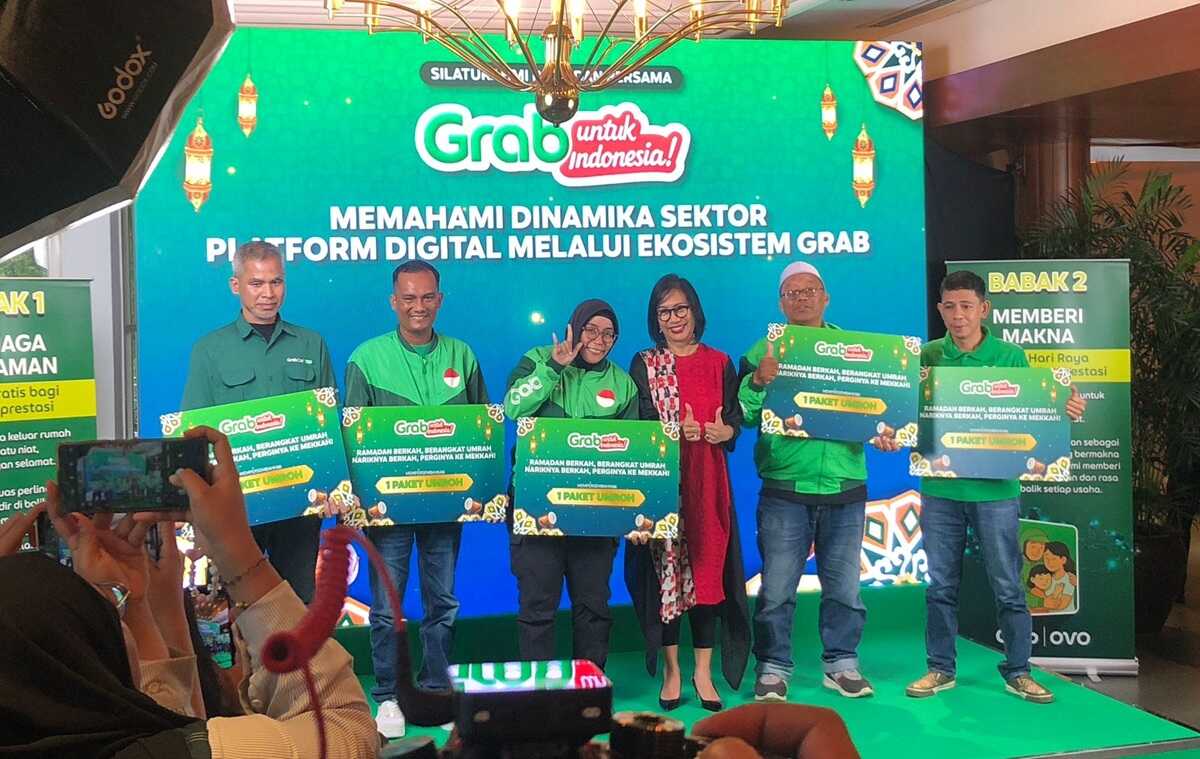
An emotional atmosphere pervaded a Grab Indonesia appreciation event. Before senior management and media representatives, five driver partners from various regions shared their life journeys—stories of rejection, perseverance, and blessings that led them to perform the umrah pilgrimage.
One notable figure was Fika Chasasmeta, a driver partner from East Jakarta. The 44-year-old woman began her career upon completing school in 1999. She worked in the retail sector from 2000 to 2011 before resigning and attempting event organisation for promotional models. In May 2019, Fika officially joined as a Grab partner.
Her journey was not merely about earning a living. Fika actively encouraged friends with disabilities to pursue independence through online driving. She highlighted the suboptimal implementation of disability workforce quotas in several institutions.
“I encourage my friends: come on, join us. Even if it’s just ride-hailing, even if it’s just Grab, I’m confident my friends can be independent, can earn their own money,” Fika said during the sharing session.
This spirit of empowerment was also reflected in Jonathan’s story. The Manado-based partner joined in 2018 and was entrusted as Community Leader in 2019. Before becoming a driver, Jonathan worked in a workshop and ran a small warung.
He acknowledged that the early phase of online transport’s arrival in Bitung was difficult. “Initially, when Grab arrived in Bitung, there was much resistance from traditional taxi operators,” he said. However, Jonathan chose a persuasive approach. “Rather than resist, let’s join Grab together so we can move forward together.”
Over time, this dialogue approach bore fruit. Many traditional drivers eventually joined and experienced the same economic benefits.
From Surabaya, Yussa presented a more personal and touching story. He recounted helping a young woman whose vehicle had broken down. The passenger cried because she could not afford the fare.
“I told her: don’t worry about paying, just let me get you home,” Yussa said. He chose to help without expecting compensation. “Don’t pay; God will repay me more generously.”
For Yussa, being a Grab partner was not merely about income but also an opportunity for good deeds. He was active in humanitarian volunteer work and believed that helping others would open unexpected doors to sustenance. “Through volunteer work, God willing, I can go anywhere,” he said.
A story of struggle also came from Makassar. Syamsuddin, a GrabCar partner since 2017, previously worked as a minibus driver. He experienced fierce resistance during the early days of online transport.
“In Makassar at the beginning, same story—we were rejected. Once during a protest in front of the governor’s office, my phone was confiscated,” he recalled. However, over time, resistance waned. Many traditional drivers eventually joined.
This change had tangible impacts on his family. “My eldest child is now in second year of junior high school. That’s all from Grab,” Syamsuddin said. Eight years of work demonstrated how consistency and adaptation to changing times could improve family circumstances.
Meanwhile, Muhammad Yunus from Jabodetabek demonstrated vertical mobility within the Grab ecosystem. Having joined in August 2015, he initially worked an office job whilst being a part-time driver.
“Once comfortable, I resigned and went full-time with GrabBike,” he said. His journey continued to GrabCar until he eventually became a premium driver. “It turned out the earnings were better than regular GrabCar,” he said.
This was directly reflected in his children’s education. “Alhamdulillah, I have three children, two are already at university, and one is starting university too,” Yunus said proudly.
The Grab Indonesia partners received appreciation in the form of funding for the umrah pilgrimage. The announcement was met with emotion. Several partners appeared tearful. This programme symbolised recognition of their dedication and field contributions.
These five partners’ stories demonstrate that online driver work is not merely informal employment based on an application. It has become a space for social mobility, a medium for empowerment, and a bridge towards more stable lives.
Behind the wheel, they face road hazards, social pressure, and income uncertainty. Yet consistency, adaptability, and a spirit of helping others have shaped a different narrative: from mere survival to rising up.
For Fika Chasasmeta, Jonathan, Yussa, Syamsuddin, and Muhammad Yunus, their journeys proved one thing: hard work on the road can lead to blessings never previously imagined.