
Behind the US–Iran Peace: Israel's Disappointment and Washington's Economic Calculus
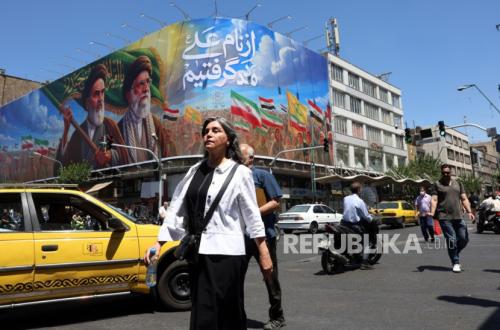
When United States President Donald Trump and Iranian President Masoud Pezeshkian signed a memorandum of understanding opening the path for 60 days of peace negotiations, global attention immediately focused on the end of tensions that had shaken the Middle East for more than three months. Yet behind the diplomatic euphoria, two major narratives run in parallel: Israel’s profound disappointment and the economic pressures driving Washington to end its confrontation with Tehran. For Israel, this agreement is not merely a diplomatic step, but a strategic shift that potentially reduces its room for manoeuvre against Iran and its allied groups. It is unsurprising that media and political circles close to Prime Minister Benjamin Netanyahu accuse the Trump administration of granting excessive concessions to Tehran. Some have even used harsh language, claiming Washington has ‘sold Israel’ to reach a deal with Iran. Tel Aviv’s disappointment is understandable when examining the substance of the circulating memorandum. The agreement reopens shipping lanes in the Strait of Hormuz, reduces the blockade on Iran, extends a ceasefire for 60 days, and opens the path to sanctions relief if negotiations proceed as planned. Meanwhile, the issues most sensitive to Israel—namely Iran’s ballistic missile programme and Tehran’s regional influence through Hezbollah and its allied groups—were not made preconditions in the initial stage of the deal. Furthermore, Israeli sources revealed that Washington is pushing for the withdrawal of Israeli forces from several points in southern Lebanon and the Mount Hermon area in Syria to maintain diplomatic momentum with Iran. For Netanyahu, such demands mean sacrificing what Israel considers security achievements on its northern front. However, reading this agreement solely from the perspective of Israel’s security concerns misses the bigger picture. The more important question is why Trump chose to make peace now. The answer lies in economics. Behind the language of diplomacy and regional stability, there are global economic interests too large for Washington to ignore. During the conflict, the Strait of Hormuz—a chokepoint for roughly 20 percent of global oil trade and the majority of Gulf energy exports—suffered serious disruption. The closure and restrictions on shipping in the area not only disrupted global energy supply chains but also triggered spikes in logistics costs and international market uncertainty. The agreement signed by Washington and Tehran specifically mandates the reopening of the Strait of Hormuz within 30 days, the lifting of the US naval blockade on Iranian ports, and the provision of relief on some Iranian oil sanctions. Additionally, the United States reportedly agreed to release approximately US$25 billion in frozen Iranian assets and committed to not imposing new sanctions during the negotiation process. Market reaction underscored the economic dimensions of the deal. Immediately after the memorandum was announced, global oil prices fell sharply. Brent crude dropped to around US$78 per barrel, while West Texas Intermediate (WTI) fell to about US$75 per barrel, the lowest levels since the conflict erupted. Investors anticipated that the reopening of the Strait of Hormuz would return tens of millions of barrels of oil held up in the Gulf region to global markets. Reuters even reported that around 54 supertankers carrying nearly 87 million barrels of oil were waiting for the normalisation of shipping routes. For Donald Trump, these figures are far more important than a symbolic geopolitical victory. Stable energy prices mean lower inflationary pressures, reduced transportation costs, and improved American consumer sentiment. Conversely, a prolonged war with Iran risked pushing oil prices back to high levels that could disrupt US economic growth. Thus, the agreement with Tehran is essentially a pragmatic step to secure domestic economic interests while calming global energy markets.