
Behind the Strengthening of the State's Role
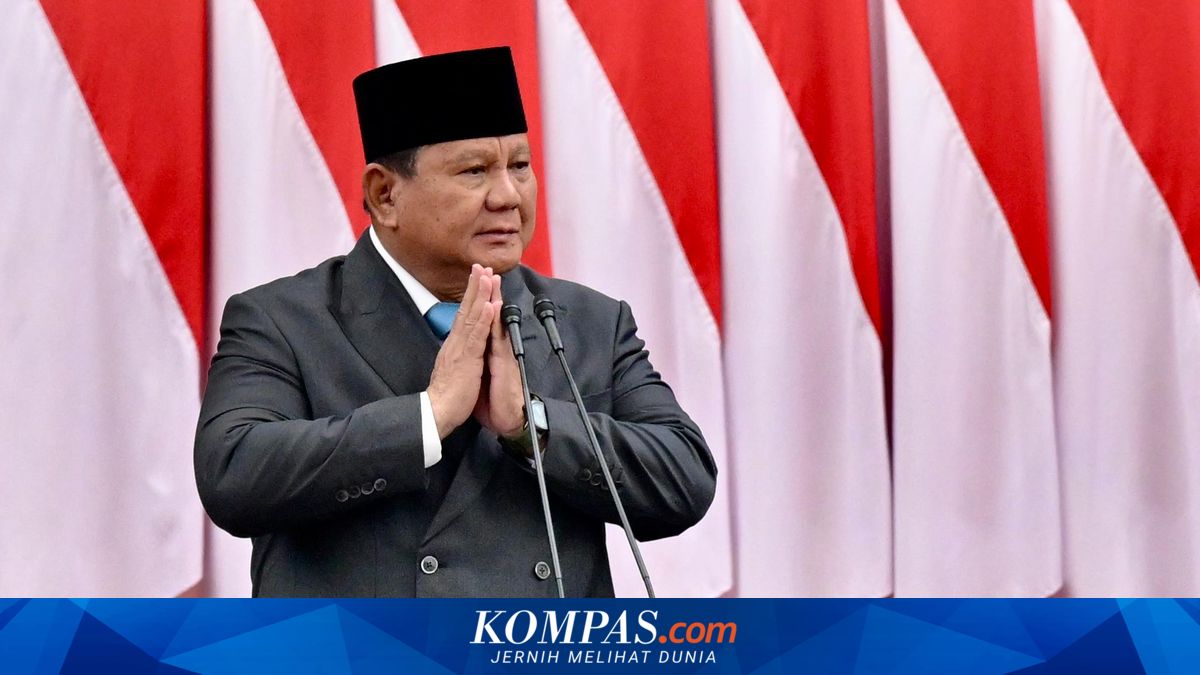
In many developing countries, political direction often swings like a pendulum. There are phases when the state is seen as too weak in confronting markets, oligarchies, social conflicts, and global pressures. This is followed by a push to restore the state’s authority as the central controller of development. Under President Prabowo Subianto’s administration, Indonesia appears to be entering this phase. From the outset, Prabowo’s political direction has shown a desire to strengthen the state’s role: expanding its involvement in food and energy, centralising strategic decision-making, bolstering security forces, increasing defence budgets, and adopting a development approach rooted in political stability. The state is no longer merely a regulator but has been repositioned as the primary actor guiding society and the national economy. According to Joel S. Migdal’s ‘Strong Societies and Weak States’ (1988), a strong state is one with high capacity to penetrate society, regulate social relations, and ensure citizen compliance with policies. The state possesses not only formal institutions but also the political capacity to shape societal behaviour. Prabowo’s numerous speeches and policies reflect this orientation. The state is viewed as the primary instrument for addressing national issues: food security, industrialisation, downstreaming, energy sovereignty, and bureaucratic discipline. This approach stems from the belief that markets alone cannot resolve inequalities, necessitating active state intervention. Free nutritious meals, ambitions for food and energy self-sufficiency, and the strengthening of strategic state-owned enterprises (SOEs) aim to demonstrate the state’s significant orientation and capacity for intervention in society and the economy. However, Migdal (1988) also cautions that strong states often develop at the expense of other social actors. When the state becomes overly dominant, civil society risks losing its bargaining power. Civil society organisations, universities, media, and critical groups may be reduced to mere legitimisers of power. In Indonesia’s context, this trend is evident in the strengthening of elite consolidation politics. Opposition has weakened, parties are aligning with the ruling power, and spaces for criticism are often perceived as threats to national stability. The state appears increasingly consolidated, yet civil society risks fragmentation. This situation echoes Lord Acton’s famous political adage: ‘Power tends to corrupt, and absolute power corrupts absolutely’.