
Behind the Smooth Mudik Journey, There Lies the Unappreciated Struggles of AKAP Bus Drivers
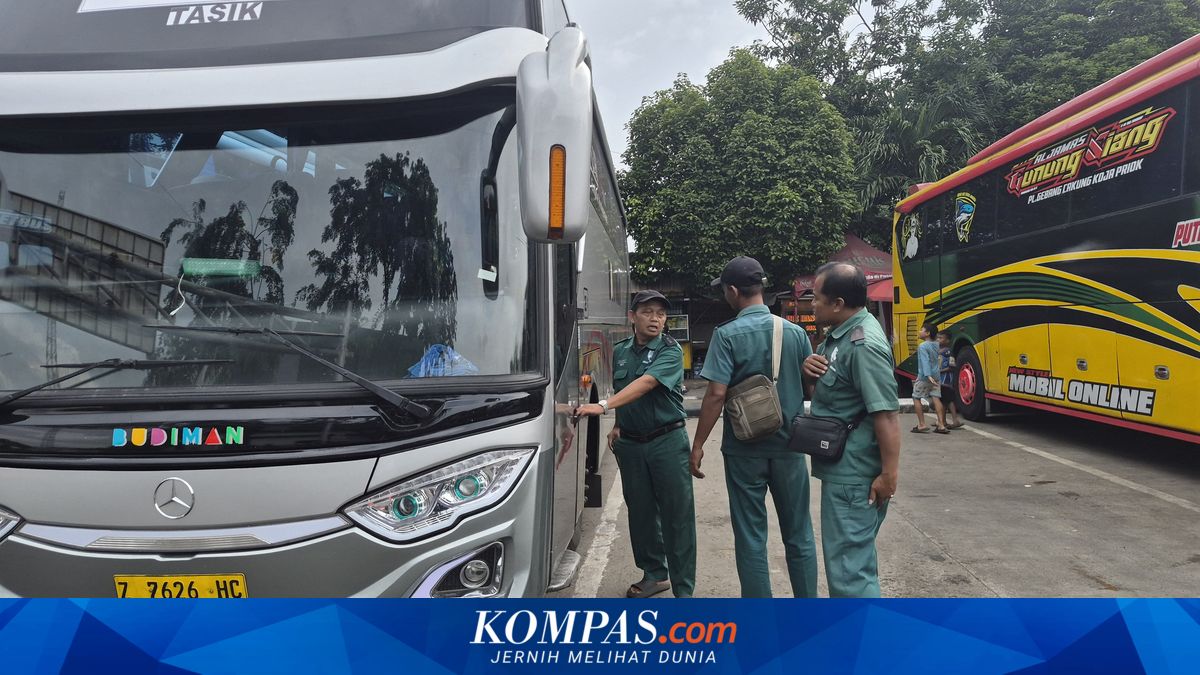
JAKARTA, KOMPAS.com – The smooth travel during Indonesia’s Lebaran mudik tradition cannot be separated from the role of intercity interprovincial (AKAP) bus drivers who continue to work during the holiday period. AKAP bus drivers serve as one of the main pillars supporting the mobility of millions of travellers, even though they must sacrifice Lebaran moments with their families. Amid the dense mudik traffic, they do not return home for weeks to ensure passengers arrive at their hometowns. This sacrifice represents another side of the smooth mudik flow that is rarely seen. One AKAP bus driver, Yayat (52), revealed that their working hours during Lebaran are far longer than usual. “If we start seven days before and after Lebaran, for two weeks it’s mandatory,” said Yayat when met at Tanjung Priok Terminal, North Jakarta, on Friday (20/3/2026). He stated that he can only return home about a week after Lebaran to gather with his family. During that period, he remains on the road transporting passengers. Not only do they have to endure longing, but the drivers also face heavy challenges such as traffic jams lasting up to a dozen hours. This condition forces some drivers to celebrate the takbiran night on the road. Nevertheless, they carry out their duties with full responsibility and patience for the safety of passengers. According to him, AKAP bus drivers, train engineers, medical personnel, and security apparatus play important roles in maintaining societal mobility during Lebaran. “Wherever they have important roles in maintaining societal mobility. So, in my opinion, the existence of these public service professions, including AKAP bus drivers, should not be underestimated,” said Rakhmat. Without the presence of these public transportation workers, the mudik flow would not run smoothly as it does every year. However, on the other hand, AKAP bus drivers face social dilemmas. They are expected to be present with their families during Lebaran but must still fulfil their professional responsibilities. The decision to continue working during Lebaran, according to Rakhmat, can be called a form of social sacrifice.