
Behind the Disappearance of the 3.5 mm Jack: The Smartphone Industry's Grand Strategy
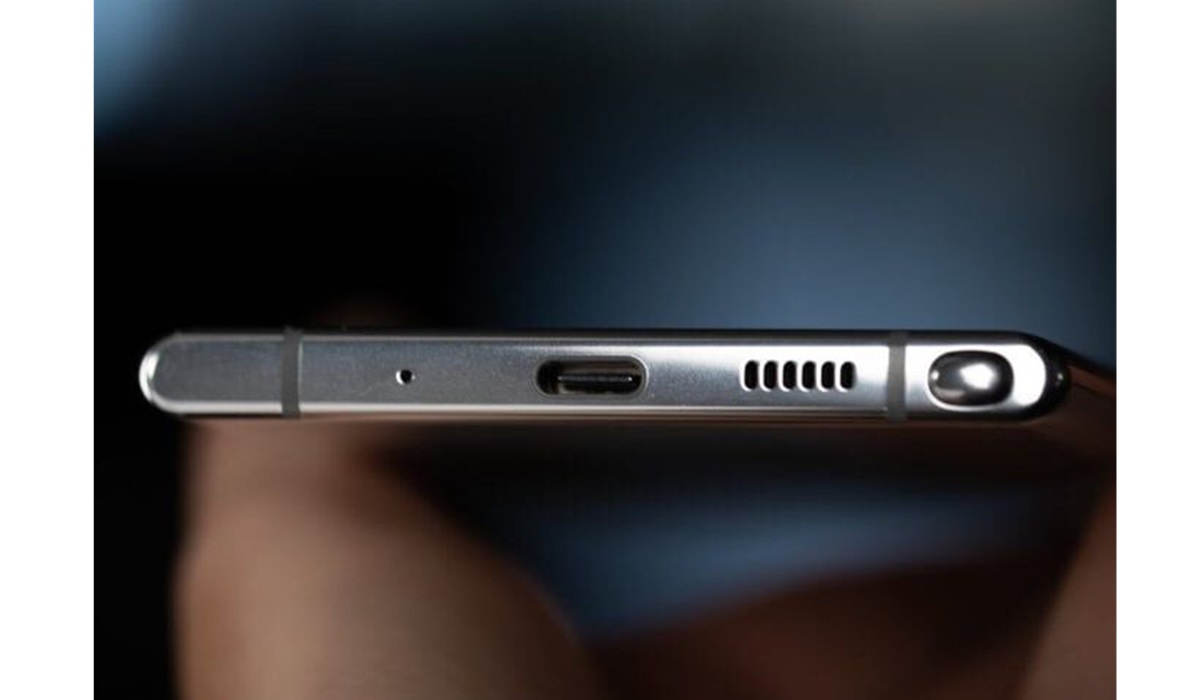
Design changes in smartphones over the past decade have shown an increasingly minimalist trend. One of the most striking changes is the disappearance of the 3.5 mm headset jack, which was once a standard feature.
This decision is often seen as merely for aesthetics and device thinness, but behind it lies a grand strategy involving technological aspects, space efficiency, and the industry’s business model.
The initial step in this trend was popularised by Apple Inc. when it released the iPhone 7 in 2016. The decision sparked controversy at the time, but it was gradually followed by other manufacturers such as Samsung Electronics and Xiaomi, which began removing the audio jack from several product lines.
From an engineering perspective, removing the 3.5 mm jack provides significant additional space inside the smartphone body.
This space can be used to increase battery capacity, enlarge the camera module, or add other important components such as cooling systems.
Additionally, the absence of a physical hole also helps improve the device’s resistance to water and dust, in line with Ingress Protection (IP) certification standards.
This transformation is also closely related to the evolution of audio technology. The 3.5 mm jack uses analogue signals, while modern ports like USB-C or Lightning support digital audio transmission with potentially higher quality.
At the same time, wireless audio devices such as true wireless stereo (TWS) are experiencing rapid growth.
Data from the International Data Corporation (IDC) shows that global shipments of wearable audio devices exceeded 300 million units in 2023, indicating a shift in consumer behaviour towards cable-free solutions.
Not only technical aspects, but economic factors also play an important role. By eliminating the headset jack, manufacturers indirectly encourage users to switch to wireless accessories sold separately.
This strategy expands the product ecosystem while opening new revenue sources beyond the sale of main devices.
Nevertheless, not all users welcome this change. Some still rely on wired headsets because they are considered more practical and do not depend on batteries.
However, looking at the direction of industry innovation and investment, it is clear that the future of audio on smartphones will increasingly focus on digital and wireless technology.