
Behind Iran's Conflict, a Neglected High-Value Treasure
Iran has become the centre of attention following attacks by Israel and the United States on Saturday, 28 February 2026. Beyond military strength, the country’s wealth and resources have become a subject of discussion.
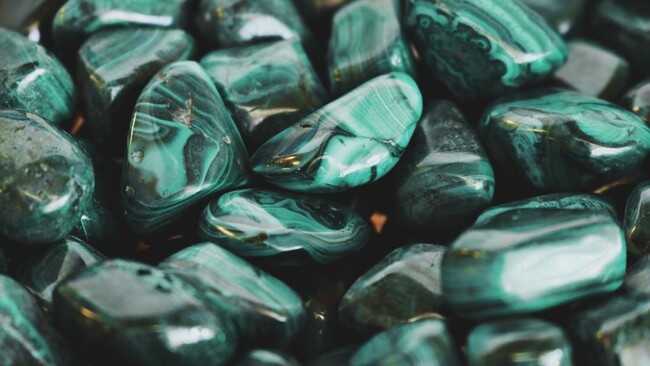
Beneath Iran’s deserts and mountains lies a blue-green stone called turquoise that has quietly developed over centuries. As a gemstone symbol of strength, fortune, and spirituality in many ancient cultures, turquoise holds deep cultural significance. Yet today, the fate of Iranian turquoise resembles the ruins of the Persian dynasty: once grand, now neglected in the global market.
Iran, particularly the Nishapur region, has been recognised as one of the world’s premier turquoise producers since the 5th century BC. The stone earned the nickname “heaven stone” not only for its colour but because it was believed to offer protection from negative energy and disasters. Iranian turquoise is highly valued for its superior hardness and stable colouration, which does not fade as readily compared to similar stones from China, Egypt, or the United States.
Yet despite its superior quality, Iranian turquoise has lost prominence in the modern gemstone trading landscape. According to data from the International Trade Centre (ITC), Iran’s exports of gemstones—including turquoise—remain relatively small and do not feature among its primary non-oil commodities. Even to Indonesia, there is no recorded official turquoise import in bilateral trade reports, despite Indonesia’s cultural market sensitivity to natural stones, including agate.
Notably, Iranian turquoise can command tens to hundreds of dollars per gram among collectors, particularly pieces from the ancient Nishapur mines featuring sky-blue colouration without veining. However, much is sold through informal channels or mixed with turquoise from other countries, making the stone’s origin difficult to trace and diminishing its historical value. Meanwhile, countries such as Turkey and India have proven far more aggressive in marketing turquoise as part of their national jewellery identity.
Turquoise is not a mineral resistant to chemicals, light, or high heat. It can change colour, crack, or even crumble if mishandled. This is why many collectors describe turquoise as a stone with a soul—because, like humans, it can “shrink” if neglected.
Iran possesses considerable potential in the gemstone sector, yet it remains poorly integrated into global supply chains. Should Iran adopt creative export strategies similar to those pursued by India for sapphires or Thailand for rubies, Iranian turquoise could reclaim its iconic status. This would extend beyond jewellery to encompass cultural branding and an elegant form of soft power in geopolitical terms.