
Bees Choose Flowers the Way Humans Choose Restaurants
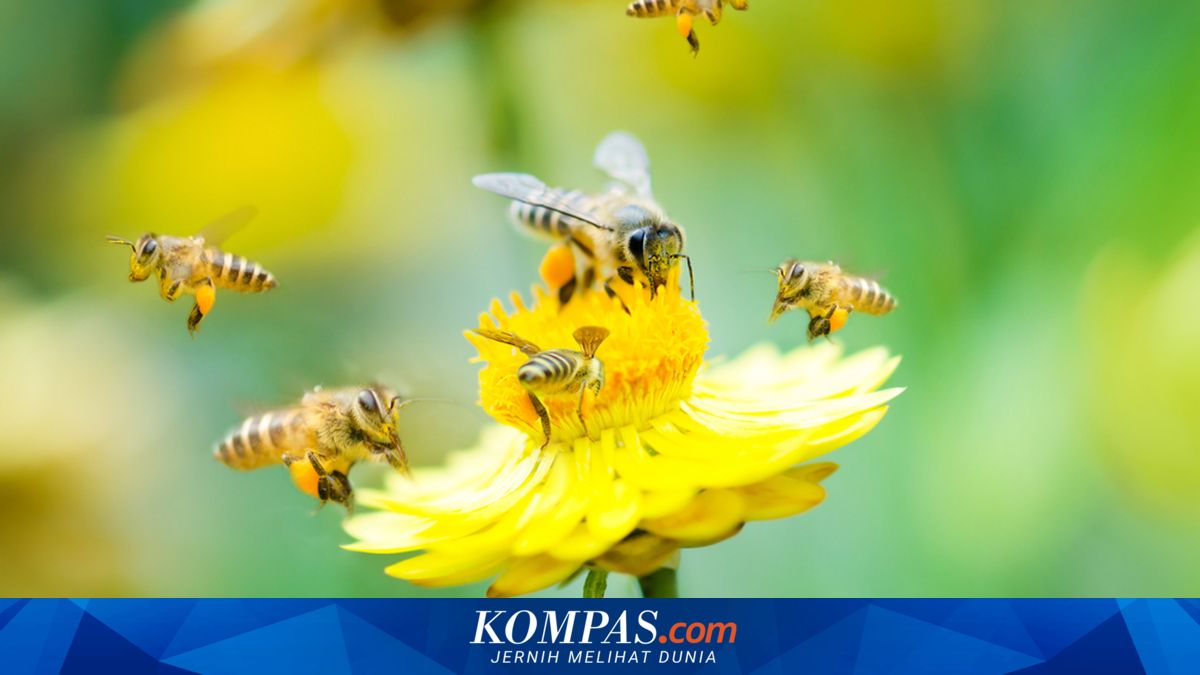
Bright flowers have long been considered the primary mechanism for attracting bees. However, recent research demonstrates that another factor is equally important: the presence of other bees on the flower.
Much like humans who often choose restaurants because they see many customers, bees also tend to follow locations already visited by other bees.
This discovery comes from research conducted by scientists from Kyoto University and the National Agriculture and Food Research Organization (NARO) in Japan. The study demonstrates that this simple behaviour can influence how flowers compete to attract pollinators.
This means flowers do not always need to have the most striking colour to attract bees. Acquiring a few initial visitors could prove to be the determining factor.
Some of the traditional factors attracting bees include striking colour, strong aroma, and large petal size. All these signals help insects find food sources quickly.
Bees certainly do have natural colour preferences. Some colours appear more attractive to their eyes. That is why flowers with striking colours often receive more visits.
However, bees also pay attention to their surroundings. If a bee observes another bee drawing nectar from a flower, that location will appear as a trustworthy food source.
This behaviour helps bees save time because they do not need to search for food in locations that might be empty.
Researcher Lina G. Kawaguchi explained the initial idea behind this research.
“I began to wonder whether the use of social information by pollinators could also affect the reproductive success of plants by shaping how plants attract and retain pollinators,” said Kawaguchi.
This idea raises an intriguing possibility: flowers with less attractive colours could still attract many bees if they succeed in attracting initial visitors.
In this experiment, bees of the species Bombus ignitus, maintained in a laboratory, were used.