
Becoming a Protector, Not an Outlet: The Key to Parents Managing Emotions for Child Development
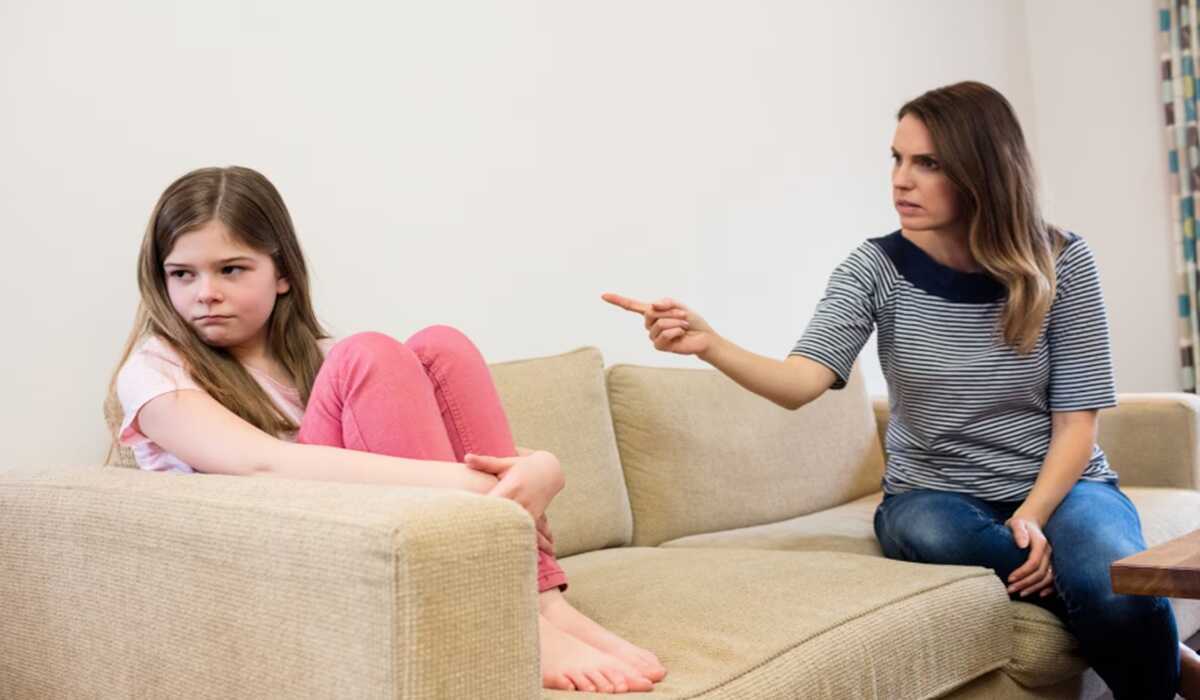
The role of parents extends beyond meeting children’s physical needs to becoming a stable emotional anchor. Sani B. Hermawan, a child and family psychologist from the Faculty of Psychology at the University of Indonesia, emphasises the importance of parents managing their emotions well in order to carry out protective and caregiving functions effectively.
According to Sani, the obligation to protect children and regulate oneself applies not only to biological parents. Whoever assumes a caregiving role bears the same moral responsibility to maintain emotional stability.
“If you already have a child, even if it is not your biological child, you are still obligated to protect that child and must control your emotions so they are more regulated,” said Sani.
Calming Strategies
In practice, turbulent emotions often prevent parents from thinking clearly. Sani offered advice to help parents avoid impulsive actions. The first and most crucial step is to shift focus from venting anger towards the process of self-calming.
The methods employed can vary and be personal, ranging from spiritual approaches to relaxation activities. Sani cited examples such as worship, watching films, listening to music, or taking a brief walk to cool off.
“When we feel emotional, the focus should not be on venting but on calming ourselves first, which is why some people end up taking a walk first, watching, listening to music or praying first, sharing with friends, and only then seeking solutions,” he explained.
Beyond individual calming techniques, building a support system also proves crucial. By having a place to share experiences with trusted individuals, parents can regulate their emotions and act with full awareness and mindfulness.
Sani reminded that adults bear full responsibility for child development. However, when parents become trapped in satisfying their ego and venting their personal emotions, this protective function typically collapses.
The situation worsens if parents fail to see the child as an individual requiring protection.
“Because once again what is being thought about is venting their emotions. Such parents ultimately cannot see from the child’s perspective, that the child is not a tool, not a target for emotional venting. This also worsens the situation when parents do not know how to channel emotions maturely,” Sani stressed firmly.
With proper behaviour and emotional regulation, parents not only create a safe environment but also ensure that child development proceeds optimally without the shadow of trauma caused by uncontrolled emotional outbursts.