
Beachgoers in Mataram Urged Not to Swim in the Sea Amid Extreme Weather
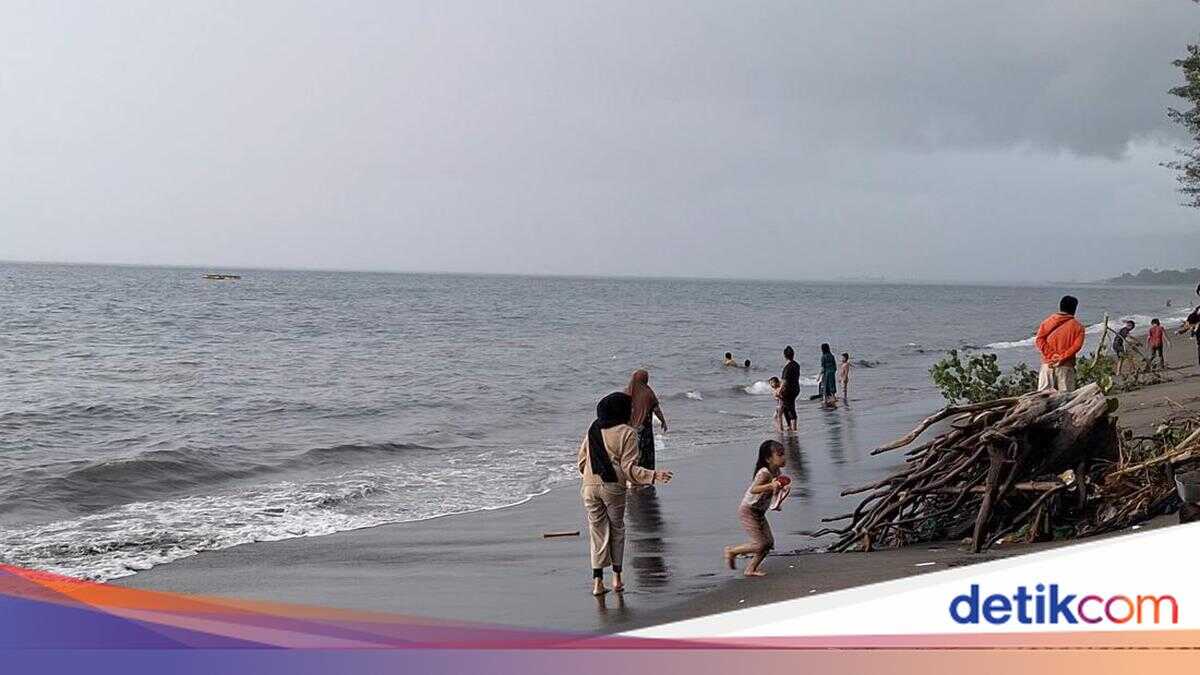
The Mataram City Regional Disaster Management Agency (BPBD) urged tourists not to swim in the sea following strong winds that had been affecting the area for the past two days. The advisory was issued after several trees toppled and motorists were reported to have fallen due to gusts. ‘Better not to go to the beach to avoid unwanted incidents. Wait until the weather returns to normal,’ said Budi Wartono, head of the Mataram BPBD, when contacted on Thursday, 4 March 2026. He said BPBD had coordinated with local kelurahan and kecamatan authorities to mitigate the impacts of the extreme weather sweeping the area. ‘Our hope is to continue to heighten vigilance,’ he added. Meanwhile, the BMKG Zainuddin Abdul Madjid Meteorology Station recorded potential for extreme weather across parts of West Nusa Tenggara (NTB), including the City of Mataram. The public was urged to watch for high waves and strong winds from 3-8 March 2026. Based on BMKG analysis, there are indications of tropical cyclone precursors ‘90s’ in the Indian Ocean south of Java and tropical cyclone precursor ‘93s’ in the Indian Ocean off the western coast of Australia. ‘Additionally, the activity of atmospheric waves (MJO, Low Frequency, and Kelvin), convergence and turning of winds around NTB, and humidity levels that are relatively moist,’ said Satria Topan Primadi, head of the ZAM Meteorology Station, in a press release received by detikBali on Thursday. BMKG forecasts sea wave heights of between 1.25 metres and 4 metres from 3-5 March 2026. ‘We urge the public and stakeholders to remain vigilant for potential extreme weather that could lead to hydrometeorological disasters, such as floods, flash floods, tidal floods, landslides, strong winds, tornadoes, lightning strikes, and falling trees,’ he concluded.