
BBWS Cimancis prepares solar pumps to anticipate the impacts of the 2026 dry season
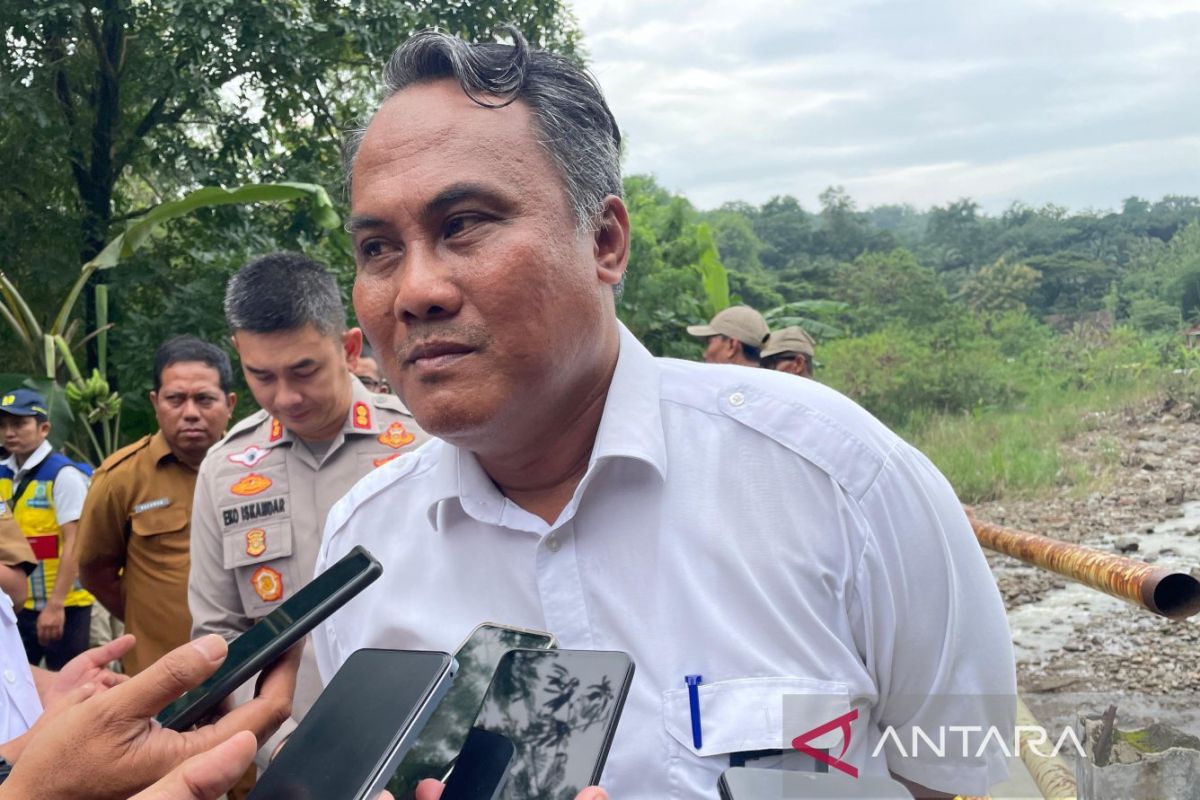
Cirebon (ANTARA) - The Balai Besar Wilayah Sungai (BBWS) Cimanuk-Cisanggarung (Cimancis) in West Java is preparing various equipment, such as solar pumps, to anticipate the impacts of the 2026 dry season, which is expected to arrive earlier than in previous years.
The Head of BBWS Cimancis, Dwi Agus Kuncoro, in Cirebon on Wednesday, stated that his agency is beginning to prepare several measures to maintain water availability for farmers, particularly in drought-prone areas.
“Normally, the dry season arrives at the end of May or June, but this year it is expected to start in April, with the peak occurring in August,” he said.
To address this situation, BBWS Cimancis is preparing various drought management tools, such as special drought water pumps, sprinklers, water-spraying drones, and shallow well drilling equipment.
In addition, the agency is developing drought pumps powered by solar energy, which can be utilised by farmer groups to assist in irrigating fields when water supplies diminish.
“These pumps can be borrowed for free by farmers. The system is rotational; for example, they are used for about one to two weeks, then moved to other areas in need,” he explained.
Nevertheless, he admitted that the current number is far from the ideal requirement, as with authority over eight irrigation areas, the need for pumps is estimated at around 24 units, or three units per irrigation area.
In addition to procuring pumps, BBWS Cimancis is also optimising the use of small reservoirs (embung) and dams as reserve water sources during the dry season.
He stated that the capacity of embung generally only suffices for one planting season’s water needs, so their management must be synergised with supplies from dams.
“Usually, an embung can support one planting season, whereas during prolonged dry periods, water needs rely more heavily on dams,” he said.
According to him, some areas still have drought potential because they are not fully served by the dam network, such as parts of downstream Majalengka and the eastern Cirebon region.
In those areas, he said, farmers are encouraged to utilise shallow wells with a depth of around 10 metres, equipped with solar-powered pumps, to meet small-scale water requirements.
“With the support of pumps, embung, and existing dams, we are optimistic that agricultural water needs can still be met until the end of the dry season, even until December,” he stated.