
BBPOM Jakarta engages Pramuka to oversee food safety during Ramadan
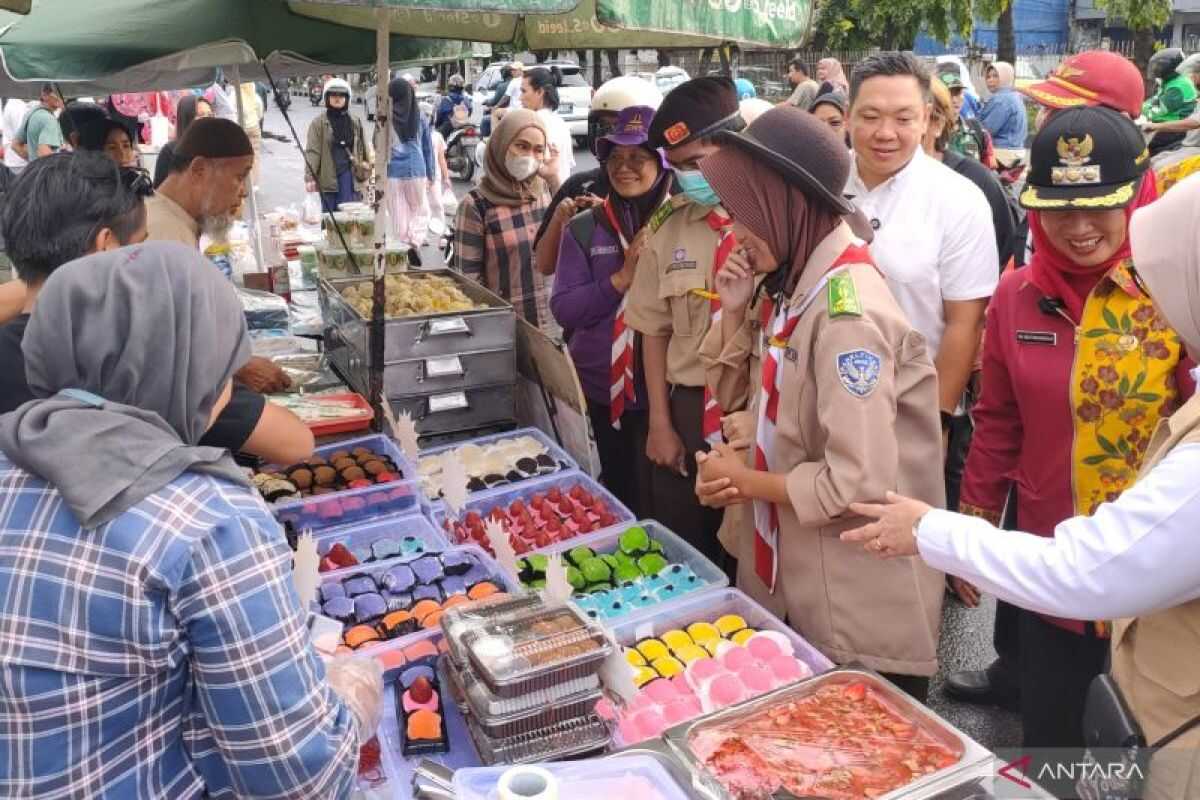
Jakarta – The Jakarta Office of BBPOM has involved members of the Praja Muda Karana (Pramuka) in supervising food safety for takjil during Ramadan. Sofiyani Chandrawati, head of BBPOM Jakarta, said Pramuka were included in a team called Satuan Karya (Saka) POM, which collaborates with Kwarda Pramuka DKI Jakarta. ‘So as part of community empowerment, one of them is engaging Pramuka to carry out supervision (food safety) in the field,’ Sofi said when contacted in Jakarta on Friday. ‘Saka POM’ — Sofi said — is divided into three ‘krida’ (specialisations): ‘krida pengujian’ (testing), ‘krida informasi’ (information), and ‘krida pemantauan’ (monitoring). ‘In the testing krida, they are taught basic testing. Then the information krida provides information to the public. There is also the monitoring krida; if they observe anything suspected of not meeting the regulations, they report it via the app,’ she explained. Furthermore, in the takjil food oversight activity, Saka POM members take samples of takjil and also educate the public about healthy and safe food. For example, Saka POM members displayed examples of foods containing hazardous ingredients prohibited in foods and distributed information leaflets listing the four types of prohibited hazardous substances, checked KLIK, BPOM Mobile, and how to read nutrition information, as well as the five food safety principles. Previously, BBPOM Jakarta identified two food items at the takjil centre on Jalan Panjang, Kebon Jeruk, West Jakarta, namely ‘kue mangkok’ and ‘bolu kukus’, containing the textile dye Rhodamine B. ‘From 65 samples tested in total, two contained rhodamine. These were the kue mangkok and bolu kukus,’ Sofiyani Chandrawati told journalists at the site on Thursday (5/3). Sofi said the traders’ wares were immediately removed after proving to contain the dangerous chemical by sample testing. ‘So they were taken out from their display to be destroyed,’ she added. Moreover, the agency will trace the distribution chain of the takjil items to identify the primary suppliers. ‘We will certainly trace further where the sellers are, the main traders. The aim is to cut the distribution chain,’ she concluded.