
BBPOM DKI Introduces "Safe Food City" Programme for Public Education
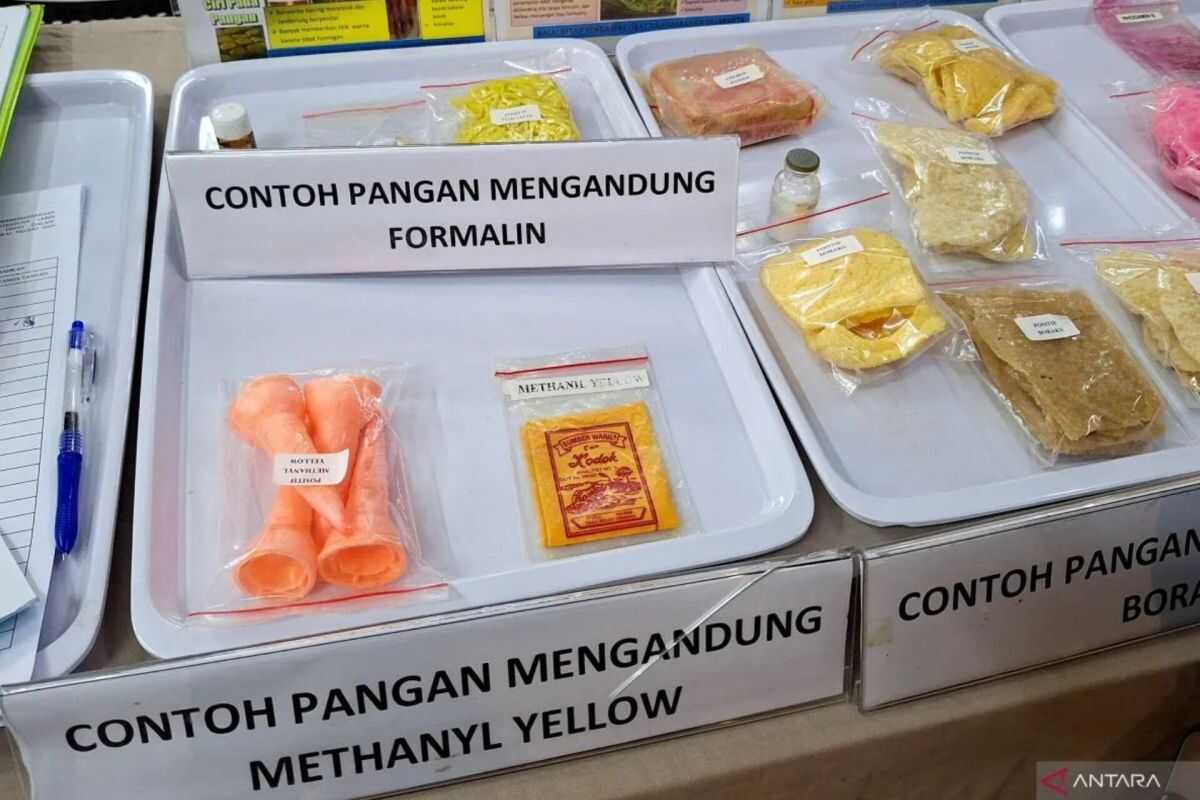
Jakarta — The Jakarta Food and Drug Supervisory Authority (BBPOM) has introduced the “Safe Food City” programme to educate residents regarding nutrition and substances contained in foodstuffs.
“Specifically, we are discussing the ‘Safe Food City’ programme, which is currently being prepared. The Mayor is committed to ensuring that South Jakarta leads in the implementation of this programme,” said BBPOM Jakarta Head Sofiyani Chandrawati to journalists at the South Jakarta Mayor’s Office on Friday.
She stated that the agency is ensuring the availability of safe and quality medicines and food in the South Jakarta region, particularly during Ramadhan.
The Food and Drug Coordination and Supervision Team (TKPPOM) will coordinate with task forces in accordance with a Gubernatorial Decree, she noted.
“For the 2026 plan, a task force decree for food safety will be established to complement existing task forces,” said Sofiyani.
She explained that “Safe Food City” represents the local government’s commitment to guarantee that food available in the city is truly safe for consumption, aimed at promoting public health and welfare.
“In welcoming Indonesia’s Golden 2045, we must start with the quality of food entering our bodies every day,” Sofiyani stated.
The coordination is expected to create synergy between the South Jakarta Administrative City Government and BBPOM Jakarta in realising safe, quality, and efficacious medicines and food.
BBPOM Jakarta has committed to monitoring takjil (iftar) foods across five Jakarta administrative cities during Ramadhan 1447 Hijriah/2026. Takjil supervision will be conducted at Bendungan Hilir and Kemayoran (Central Jakarta), Jalan Panjang (West Jakarta), Koja (North Jakarta), and Karet (South Jakarta).
Based on 2025 supervision data from takjil distribution centres and modern retail outlets, BBPOM Jakarta tested 147 samples. Results showed that six samples, or 4.1 per cent, failed to meet requirements, whilst 141 samples (95.9 per cent) met safety standards for consumption.