
BBPJN Ensures National Road Readiness for 2026 Mudik, Problem Areas Still Loom
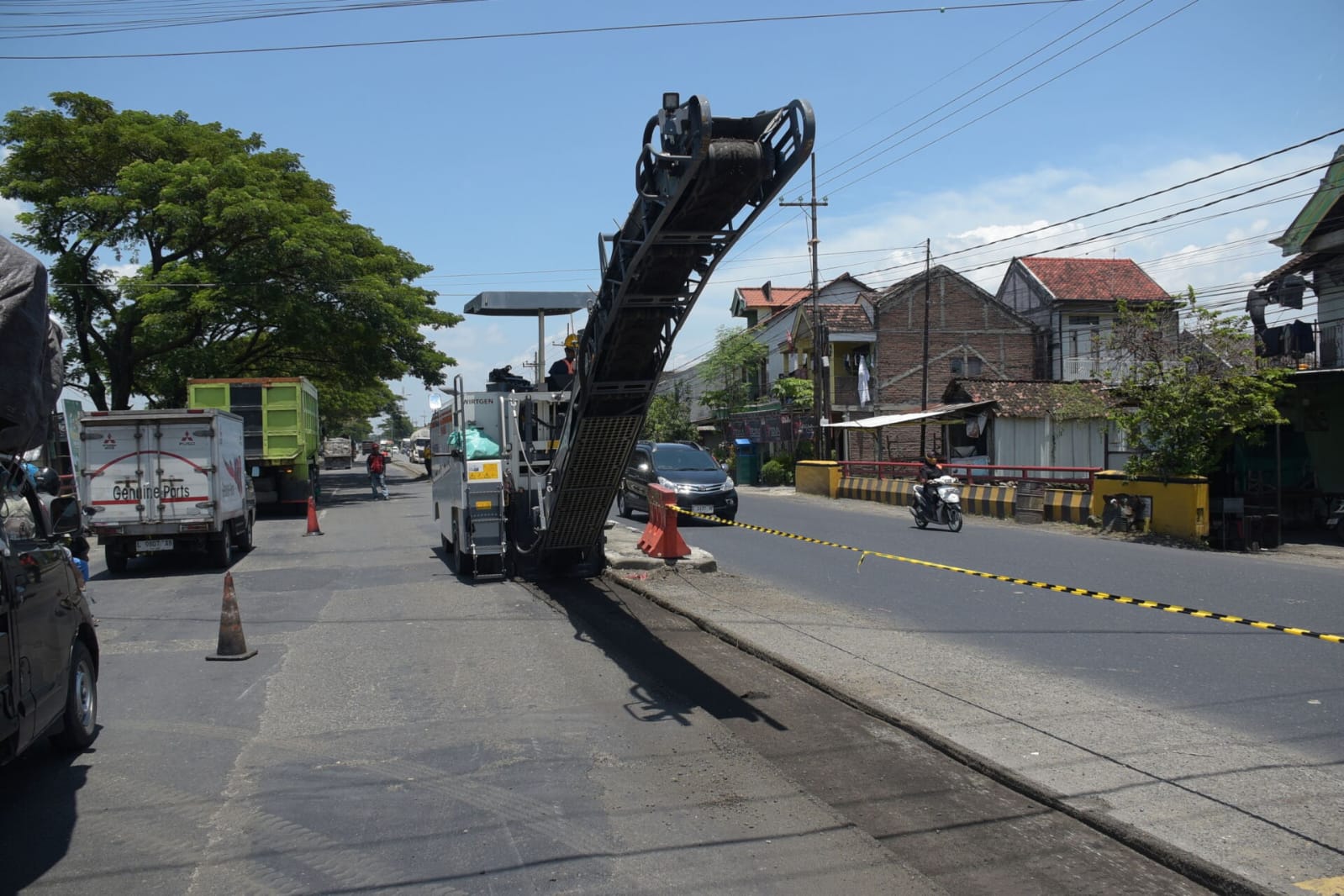
Ahead of the 2026 Lebaran exodus period, the National Road Implementation Office (BBPJN) for East Java and Bali is ensuring infrastructure readiness to support smooth outbound and return traffic flows. However, a number of problem areas remain to be monitored.
“Various strategic measures have been implemented, ranging from accelerated road preservation, strengthening disaster mitigation systems, to cross-sectoral coordination, to ensure public travel is safe, smooth, and comfortable,” said Javid Hurriyanto, Head of BBPJN East Java-Bali, in Surabaya on Tuesday, 10 March.
BBPJN East Java-Bali has also mapped potential congestion-prone areas during the Lebaran mudik period. In East Java, 79 congestion-prone points have been identified, whilst in Bali Province there are 13 congestion-prone points. Traffic congestion is generally triggered by activities such as spillover markets, road intersections, access to tourist areas, and railway level crossings.
One section receiving particular attention is the Situbondo–Ketapang–Banyuwangi route, which is the main corridor to Ketapang Port, serving as the gateway for crossing to Bali. This route tends to experience increased congestion due to vehicle queues heading to the port, particularly when there are surges in private vehicles or logistics transport.
“We are coordinating with the police and the Transportation Office to ensure optimal traffic management in the event of a surge in vehicle volume,” said Javid.
Routes to Ketapang Port and Gilimanuk are also a priority for intervention as they are important transport hubs connecting Java and Bali. BBPJN East Java-Bali is also monitoring the potential for disruptions caused by extreme weather, which could trigger landslides or flooding on several road sections.
In East Java, 23 landslide-prone points and 68 flood-prone points have been identified. Meanwhile, in Bali there are 16 landslide-prone points and 39 flood-prone points. As a precautionary measure, Javid stated that his office has established mudik route posts at 27 points in East Java and 8 points in Bali, and has positioned heavy equipment from the Disaster Relief Unit (DRU) and emergency materials such as coldmix, sandbags, and gabions that can be deployed for rapid response if road disruptions occur.
Travellers can also utilise the mudik posts provided for rest stops and to obtain current information, and take advantage of facilities available at the mudik posts free of charge.
The public undertaking mudik journeys should prepare their vehicles in roadworthy condition and make use of posts and rest areas to rest. Condition of national roads in East Java and Bali is generally sound and ready to serve public mobility during the Lebaran period.
“We want the mudik journey not only to reach the destination, but also to arrive safely. Therefore, we urge the public to prepare their journey well and always prioritise safety,” Javid said.
According to him, the condition of national roads in East Java and Bali is generally sound and ready to serve public mobility during the Lebaran period.
“Overall, the condition of national roads in East Java and Bali is sound. We ensure all main mudik routes are ready to be used, so the public can travel safely and comfortably,” said Javid.
According to BBPJN East Java-Bali data from the second semester of 2025, the level of soundness of national roads in East Java Province reached 93.27%, equivalent to approximately 2,107 kilometres. Meanwhile, in Bali Province, the level of soundness of national roads reached 97.13%, equivalent to approximately 570 kilometres in sound condition.
Interventions undertaken include slope stabilisation, embankment reinforcement, road widening, drainage improvement, and rebuilding of damaged bridges.