
BBC Announces Major Layoffs, Impacting 2,000 Employees
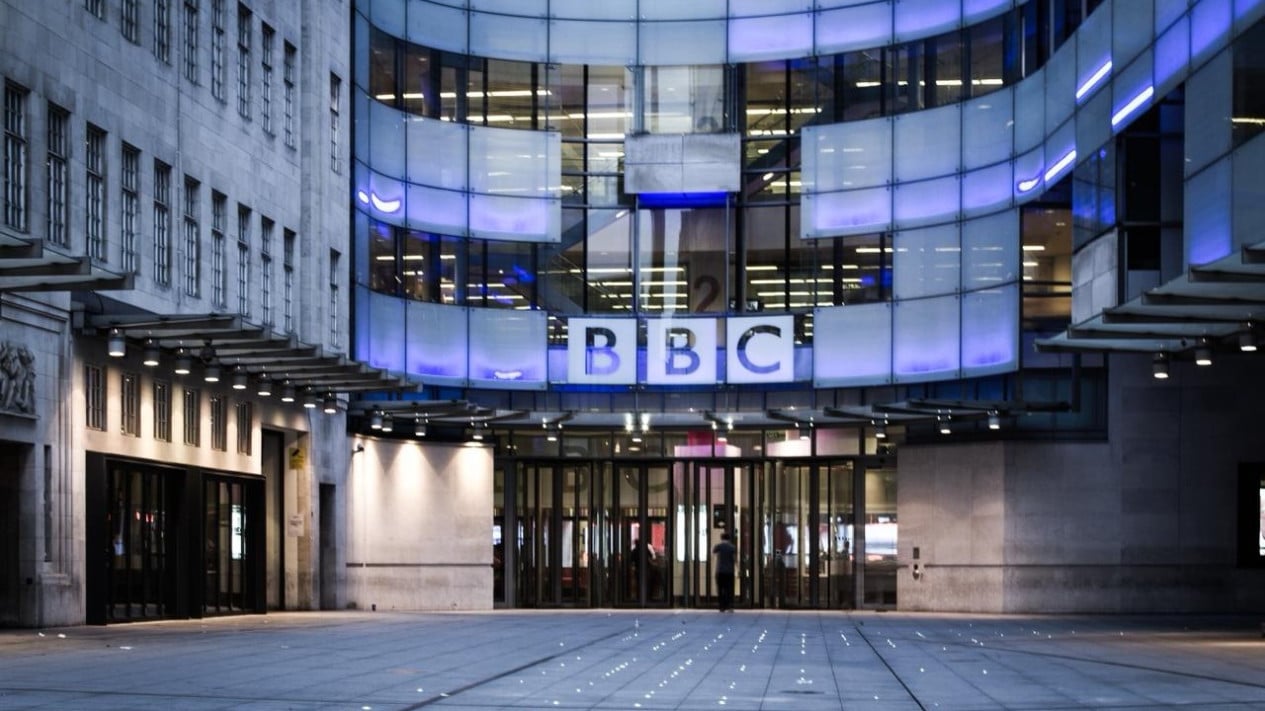
Jakarta, VIVA – The British public broadcaster BBC has announced plans to slash up to 2,000 jobs as part of budget efficiency measures. This step is intended to save around 10% of its total annual budget, equivalent to £500 million over the next two years.
The decision represents one of the largest waves of redundancies at the BBC in more than a decade. The policy was announced directly to staff via an internal call.
Interim Director-General Rhodri Talfan Davies acknowledged that the move brings uncertainty for employees. However, he emphasised the importance of transparency in addressing the current pressures.
“I know this creates real uncertainty, but we want to be open about the challenges we face,” Davies said in an email to staff, as reported by AP News on Thursday, 16 April 2026.
According to him, the cuts are triggered by a combination of factors, from rising inflation and pressures on licence fee income to unstable global economic conditions.
Previously, the BBC had revealed significant financial pressures. The organisation is targeting a 10% budget reduction by 2029, with most cuts to begin in the fiscal year starting 1 April 2027.
On the other hand, leadership changes are also underway. Former Google executive Matt Brittin is scheduled to take over as Director-General next month.
He will replace Tim Davie, who resigned along with News division head Deborah Turness, following controversy over the editing of a documentary on Donald Trump’s speech regarding the January 6 Capitol attack.
The case even led to a legal lawsuit, in which Trump is suing the BBC for US$10 billion on defamation charges.
The BBC itself is a unique media institution, beloved yet often criticised. Its funding comes from the annual licence fee paid by UK households accessing BBC television broadcasts or content. This fee has recently increased to £180.
However, in the digital era and with streaming services, this funding model is increasingly questioned. Many parties, including commercial broadcasters, consider the licence system outdated due to changes in media consumption habits.