
Baznas Distributes 74,228 Iftar Meal Portions to Palestinian Residents
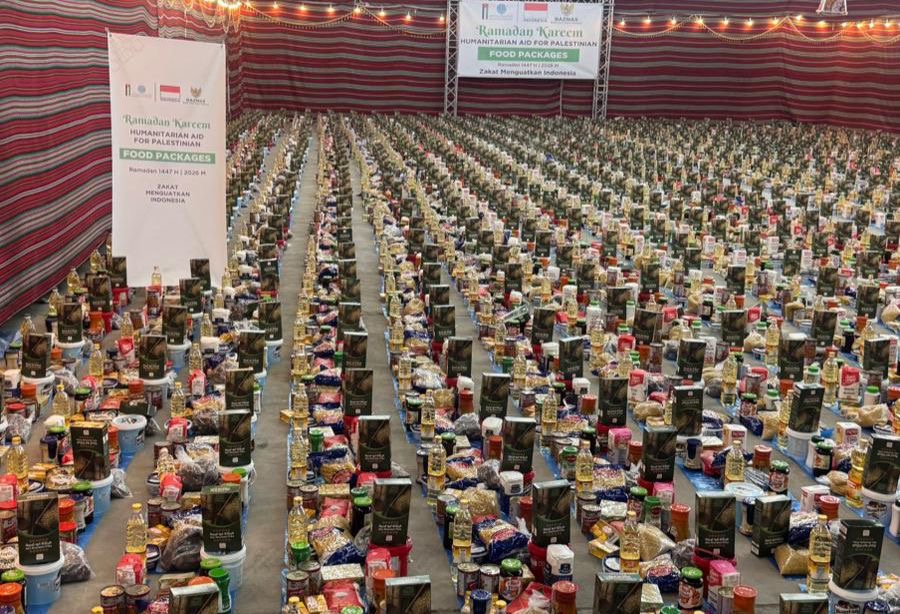
The Indonesian National Charity Body (Baznas) has continued distributing iftar meal assistance amid the ongoing humanitarian emergency in Palestine. A total of 74,228 food portions (hot meals) were distributed across refugee camps in Gaza during Ramadan.
The iftar meal assistance was distributed across several areas in the Gaza Strip, including Khan Yunis, Deir al-Balah, Al Mawasi, Al Musaddar, and Al Buraij. Distribution was carried out in phases, reaching displacement tents and communities affected by the humanitarian crisis in these areas.
Imdadun Rahmat, Deputy II of Baznas Indonesia, stated that food distribution to Palestinian residents is Baznas’s annual agenda during Ramadan, with the objective of ensuring their needs are met during the holy month.
“We hope through this programme, Gaza residents can experience warmth and comfort during Ramadan when consuming freshly served iftar meals,” Imdadun said in a written statement on Saturday (14 March).
He continued that Baznas remains committed to assisting communities affected by conflict and disasters, including in Palestine. This assistance forms part of Baznas Indonesia’s efforts to make a positive contribution to communities in need.
“We also thank the Indonesian people who have entrusted their humanitarian assistance through Baznas. We ensure this assistance is distributed with precise targeting,” he added.
“God willing, this will bring blessing to us all, and Baznas, representing the Indonesian people, will continue to be present to bring happiness during difficult times. We want them to feel that they are not alone,” Imdadun said.
During Ramadan 1447 AH, Baznas has also implemented other assistance programmes for Palestine, including food packages, healthcare services, clean water provision, clothing, residential tents and housing tents, blankets, mosque tents, and classroom tents for children in conflict-affected areas. This programme aims to help meet clean water needs for 5,000 Palestinian residents lacking access to water.
The distribution of food packages across various Palestinian areas requires highly detailed coordination given the sensitivity of the region.