
Baznas Distributes 1,240 Hajj Sacrificial Goats to Needy Across Provinces for 2026
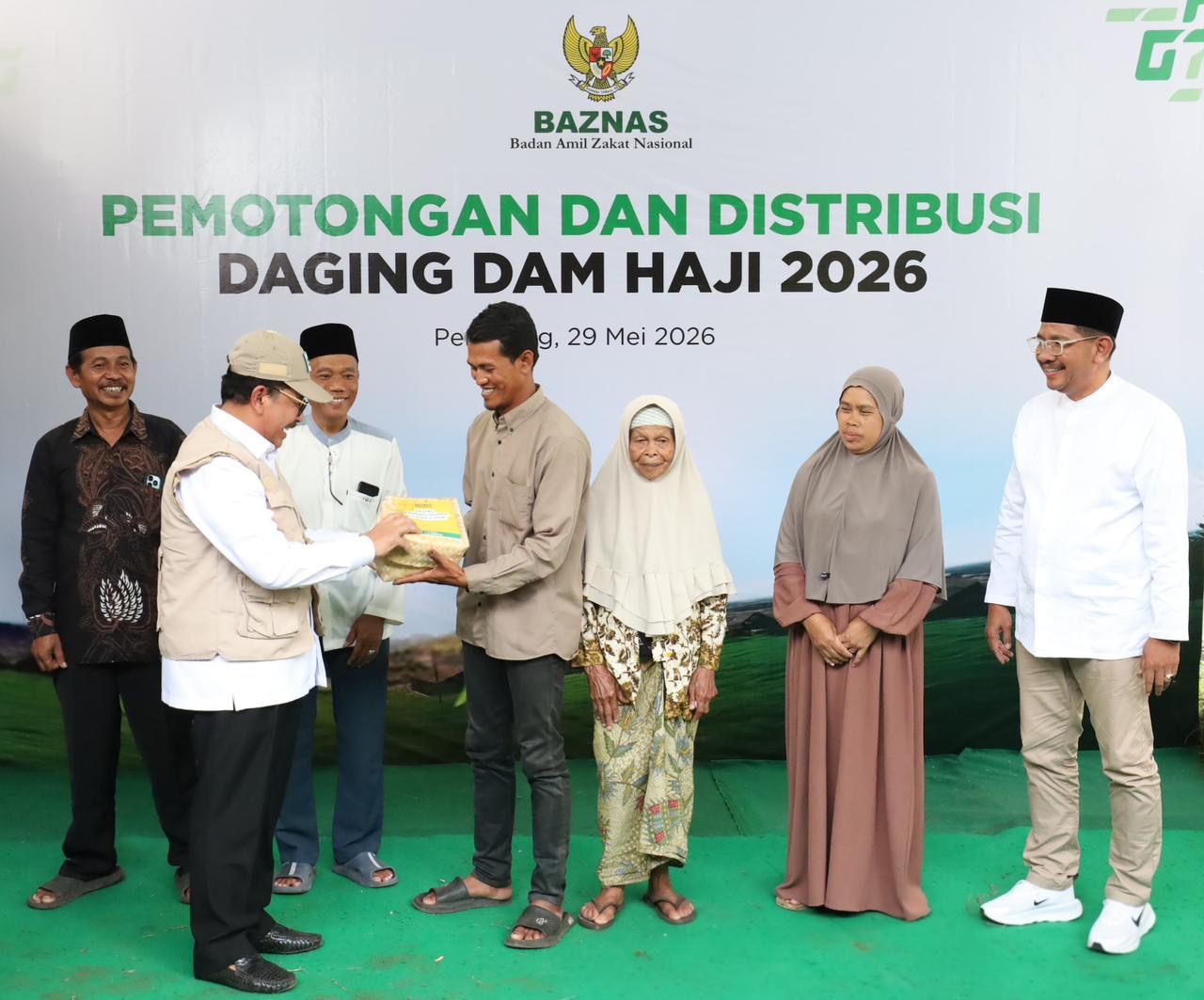
The National Zakat Agency (Baznas) of Indonesia has distributed 1,240 sacrificial goats for the 2026 Hajj season to meet the nutritional needs of the needy across provinces while empowering local farmers. The distribution was symbolically launched at the Dam Haji 2026 Programme Delivery Ceremony at Baznas Livestock Centre in Warungpring Village, Pemalang Regency, on Friday (29 May), optimising supplies from 43 livestock centres across seven provinces, including the slaughter of 50 locally bred sheep. Deputy Chairman of Baznas RI, Zainut Tauhid Sa’adi, said the distribution of sacrificial animals is not merely about meeting food needs but a noble responsibility entrusted to Baznas by Hajj pilgrims. ‘The sacrificial animals being delivered today are not just ordinary food commodities but a significant and sacred trust from our Hajj pilgrims,’ Zainut Tauhid explained. He added that the ongoing programme since 2024 aims solely to assist pilgrims paying Hajj penalties domestically, delivering social impact through meat distribution to the needy while empowering local farmers, without entering religious doctrinal disputes. Zainut said this meat distribution also strengthens Baznas Livestock Centres’ contribution, with 103 centres across 15 provinces providing capital, production facilities, and business mentoring to improve the welfare of needy farmers. Meanwhile, Director General of Islamic Affairs at the Ministry of Religious Affairs, Abu Rokhmad, stated that domestic sacrificial animal slaughter was initiated in 2025 as a strategic government move to ensure Hajj pilgrims’ contributions have tangible local impact. He added that the total of 1,240 sacrificial animals are specifically managed by Baznas, while some pilgrims entrust their sacrifices to other religious institutions. Meanwhile, Pemalang Regency Administrative Assistant Bagus Sutopo urged strengthened collaboration with Baznas to maximise the utilisation of Hajj sacrificial meat. Through programmes coordinated by Baznas, he said funds and proceeds from Indonesian Hajj sacrifices can now be channelled back to the country to deliver tangible socio-economic benefits to those in need, particularly in Pemalang. ‘If handled through Baznas, the benefits directly reach our compatriots here. If paid in Saudi Arabia or elsewhere, it’s only enjoyed there. But this truly benefits the local community,’ he said. Beyond humanitarian diplomacy, the Ministry of Hajj (Kemenhaj) this year has also made history in Hajj management. Baznas officers distributed processed sacrificial meat and essential goods to beneficiaries in Solo, Central Java. NU Care-LAZISNU Executive Director Riri Khariroh stated the qurban programme has always focused on reaching communities previously unable to access aid. A total of 43 cattle and 149 goats, valued at Rp2 billion, were distributed as qurban aid. PT Jaminan Pembiayaan Askrindo Syariah distributed four cattle and 35 goats to the public during the 1447H Eid al-Adha celebrations. McDonald’s Indonesia’s ‘McD Berbagi Kurban’ initiative this year reached 23 locations across 21 cities and regencies in 11 provinces. Qurban during Eid al-Adha is seen as an opportunity to enhance communal spirit and social awareness in society.