
Barantin Intensifies Surveillance of Sacrificial Animals Ahead of Eid al-Adha 2026
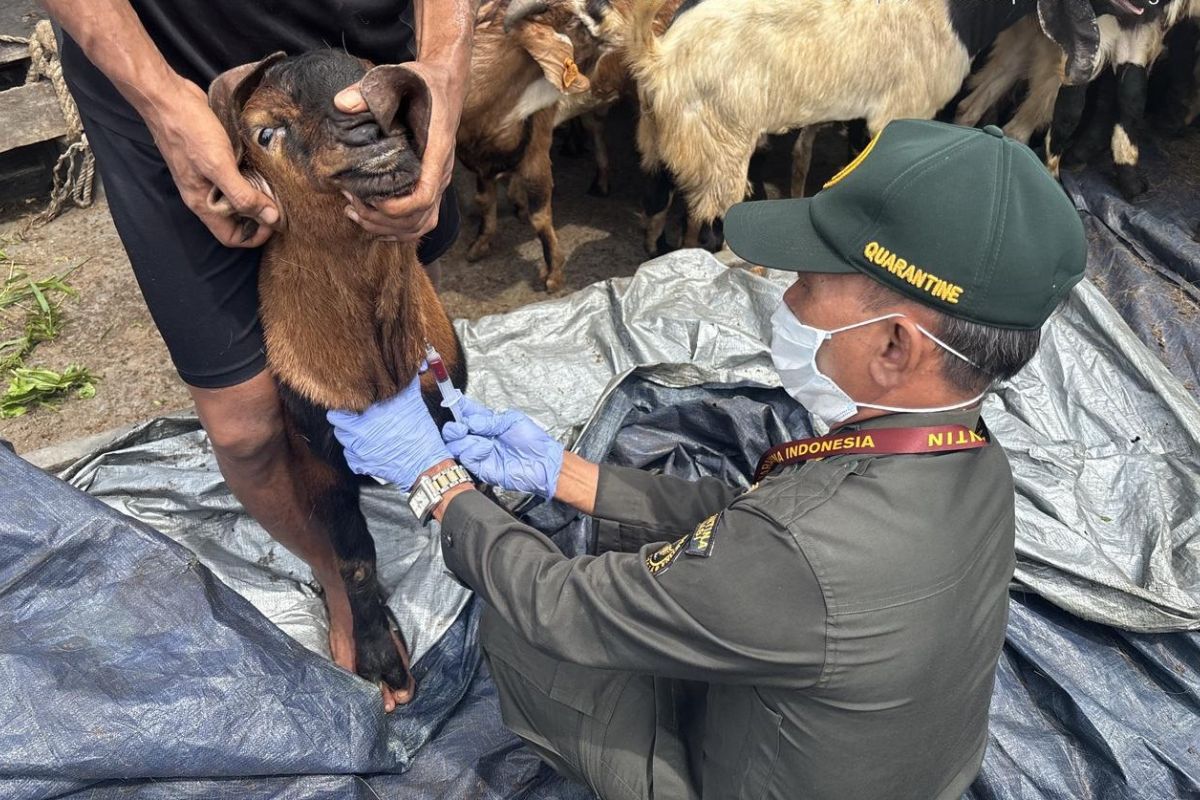
The Indonesian Quarantine Agency (Barantin) is intensifying surveillance of sacrificial animal traffic ahead of Eid al-Adha 2026 to prevent the spread of animal diseases and maintain national food security. Deputy for Animal Quarantine at Barantin, Sriyanto, stated that the oversight is being conducted across all quarantine service units to ensure that sacrificial animals are healthy and free from disease. “Quarantine services are on standby 24/7 at all technical implementation units (UPTs), particularly at entry and exit points for sacrificial animals. We are also continuously socialising requirements to the public and business actors so that the surge in traffic does not pose health risks,” said Sriyanto in a statement in Jakarta on Monday. He explained that the surveillance includes health examinations, document completeness checks, and disinfection of transport vehicles to prevent the spread of quarantine animal disease pests (HPHK), such as foot-and-mouth disease (FMD), Lumpy Skin Disease (LSD), anthrax, and brucellosis. According to him, quarantine officers are deployed 24 hours a day at all UPTs, especially at inter-regional livestock entry and exit points. Sriyanto added that the surveillance is carried out through coordination with the Directorate General of Livestock and Animal Health under the Ministry of Agriculture, regional governments, Port Authority and Harbour Master’s Offices (KSOP), the Indonesian National Armed Forces (TNI), National Police (Polri), and other related agencies. He urged the public to ensure the health of sacrificial animals and to avoid purchasing livestock without official documents to prevent disease transmission risks. “Animals that do not undergo quarantine procedures risk spreading diseases and harming other farmers. Let us together protect Indonesia from quarantine animal disease pest threats by complying with quarantine reporting,” he said. Based on data from the Best Trust quarantine certification system, sacrificial animal traffic from January to June 2025 totalled 475,284 head, dominated by cattle at 271,037 head and goats at 192,956 head. In May 2025, the number of sacrificial animal movements peaked at 190,545 head, an increase of around 135 percent compared to April. Meanwhile, in the same period in 2026, sacrificial animal traffic had reached 218,208 head by 16 April, or about 52.91 percent, with a monthly increasing trend compared to the previous year. Director of Animal Quarantine Actions at Barantin, Cicik Sri Sukarsih, said that the increase in traffic is being anticipated through the strict implementation of biosecurity. “We recorded traffic from January to March, dominated by movements from Lampung, NTB, Bali, and NTT to Java and Kalimantan, rising by up to 13.75 percent compared to last year. All are checked through the Best Trust system to ensure the certification process remains fast without neglecting biosafety aspects,” said Cicik. She added that biosecurity measures are implemented through disinfection of transport vehicles at both origin and destination areas to minimise the risk of animal disease spread. According to her, the increase in sacrificial animal traffic is also occurring in destination areas such as Greater Jakarta, West Java, Bangka Belitung Islands, and East Kalimantan. Barantin has set main requirements for livestock movements, including quarantine health certificates following physical examinations, laboratory tests, and verification of veterinary certificates from the originating regional livestock services. In addition, sacrificial animals must meet minimum age requirements, namely cattle and buffalo at least two years old and goats and sheep at least one year old, and be equipped with documents via the Best Trust application. Barantin emphasises that violations of livestock movement regulations without quarantine documents will be subject to sanctions in accordance with Law No. 21 of 2019 on Animal, Fish, and Plant Quarantine, including rejection or additional quarantine. The surveillance also refers to Circular Letter of the Deputy for Animal Quarantine No. 23 of 2026 on early preparedness against the spread of HPHK ahead of Eid al-Adha.