
Bappenas: Simple SDGs Best Practices Can Drive Significant Change
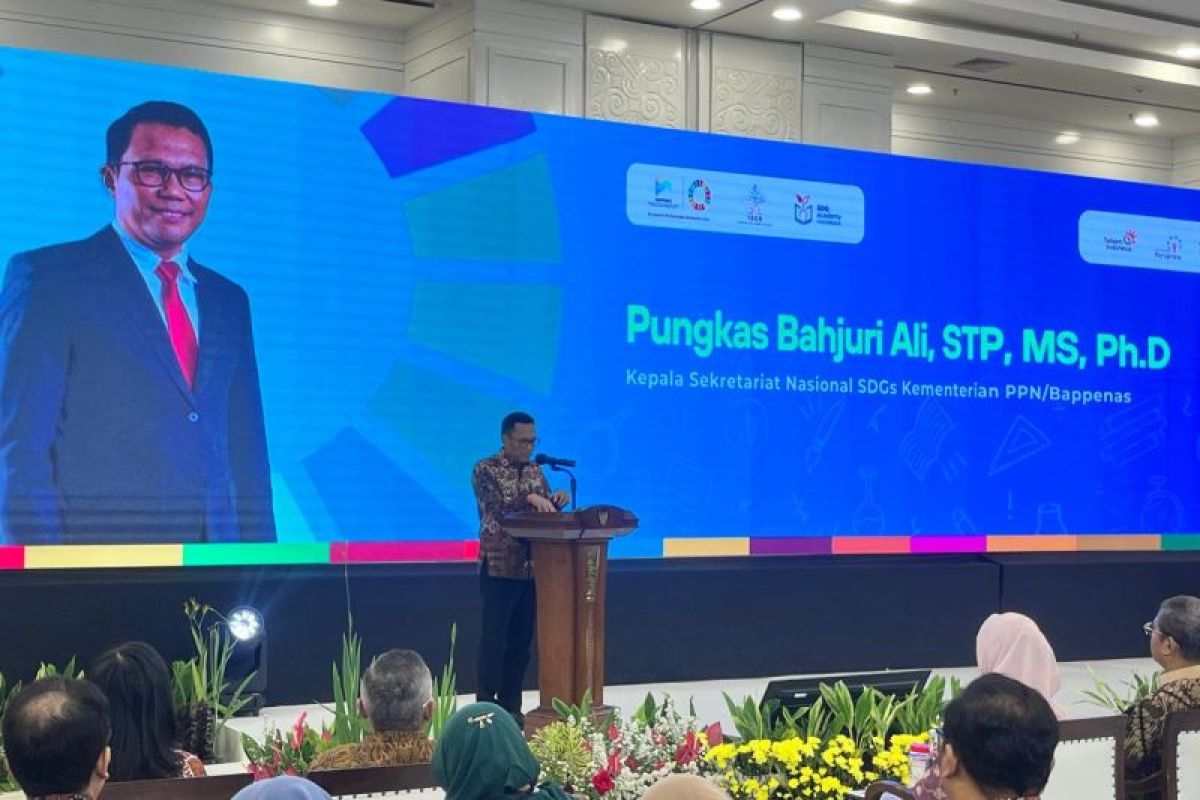
Jakarta (ANTARA) - The Head of the National Secretariat for Sustainable Development Goals (SDGs) at the Ministry of National Development Planning/Bappenas, Pungkas Bahjuri Ali, stated that simple SDGs best practices can bring about important change if they successfully address real problems.
“In the previous event (Indonesia SDGs Action Award/SAA), we learned that strong best practices do not always come from institutions with the largest funding sources. Simple practices can also provide important change if they answer real problems, involve the community and are carried out consistently, and have demonstrable results,” he said.
During the virtual Kick-Off Meeting for Indonesia’s SDGs Action Awards (SAA) 2026 in Jakarta on Thursday, Pungkas explained that the Indonesia SAA is a national award organised by Bappenas to appreciate government and non-government institutions that demonstrate commitment and real contributions to achieving the SDGs in Indonesia.
Currently, the National SDGs Secretariat, together with related units and organising partners, has prepared the main implementation framework, including guidelines, participant requirements, form-filling instruments, a registration portal, verification mechanisms for the assessment stages, timelines, and service channels for participants for the 2026 Indonesia SAA agenda.
Since it was first held in 2022, he continued, the SAA has been participated in by hundreds of institutions from various sectors, carrying different themes each year, which has produced many diverse best practices.
“This journey confirms that Indonesia has many solutions for development, growing from ministries, agencies, local governments, campuses, communities, and all non-government development actors, including the business and philanthropy sectors,” said Pungkas, who also serves as Deputy for Human and Cultural Development at the Ministry of National Development Planning/Bappenas.
Entering 2026, Pungkas said the challenge is how to ensure that these solutions do not just stop as standalone examples, but become sources of learning and inspiration for wider regions, sectors, and community groups.