
Bappenas Plans Implementation of Windfall Tax Effective in 2027
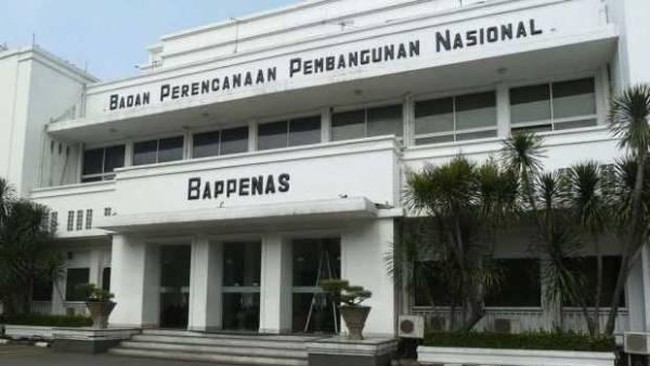
Jakarta, CNBC Indonesia - The Ministry of National Development Planning (PPN)/Bappenas has established a series of tax policies that will apply in 2027 to achieve a state revenue ratio of 11.82%-12.40% of GDP.
The state revenue ratio for 2027 consists of a tax revenue target of 10.02%-10.50% of GDP and non-tax state revenue (PNBP) of 1.80%-1.89% of GDP.
In the Government Work Plan (RKP) 2026 document, it is revealed that efforts to meet this ratio target will be pursued through the modernisation of tax and PNBP administration, integration of data bases supported by digitalisation to prevent leakage and capture all economic activities (including the informal sector).
This includes the implementation of a windfall tax, or tax on ‘windfall’ profits in certain industries.
“Strengthening supervision, simplifying regulations to reduce informality, implementing a measured and targeted windfall tax, and enhancing synergy between central and regional governments,” quoted from the RKP 2027 document, Friday (8/5/2026).
In detail, tax policies are focused on expanding the tax base through the formalisation of economic activities, including informal labour; to strengthening data analytics-based Core Tax Administration System services to increase voluntary taxpayer compliance in reporting and payments.
Then, IT-based supervision and inter-agency joint programmes to reduce underreporting; optimisation of revenue from new and priority sectors, including the digital economy, downstreaming of natural resources, and government priority economic activities; as well as sharpening more targeted and measured tax incentives to encourage investment, priority sectors, and economic value added.
There is also improvement in tax restitution management; and the implementation of a measured and targeted windfall tax scheme for businesses enjoying significant profits from commodity price increases.
In the customs and excise sector, policies are directed towards strengthening the Customs Excise Information System and Automation (CEISA) as well as cracking down on illegal excisable goods and underreporting practices to increase compliance and secure state revenue.
From the PNBP side, policies are focused on optimising revenue while maintaining the quality of public services and the sustainability of natural resources. Policy directions include improving the governance of natural resource revenues, particularly oil and gas. Furthermore, strengthening supervision and optimising natural resource royalties through improved accuracy in recording, reporting, and production oversight.
Optimisation of the Mineral and Coal Information System (SIMBARA) is also a strategy; accompanied by increasing PNBP potential in the forestry, fisheries, and geothermal sectors while considering sustainability.
In addition, innovations in services and digitalisation in ministries/agencies managing PNBP for transparency and accountability are being carried out; optimisation of the utilisation of state-owned assets/goods; and integration and strengthening of the role of Public Service Agencies (BLU) to improve efficiency, productivity, and synergy among government agencies.
Tax policies are also directed towards strengthening regional fiscal capacity through increasing regional revenue or local taxing power, including accelerating and expanding the digitalisation of regional tax systems.
Furthermore, developing regional economic potential and competitiveness; as well as data exchange and integration between central and regional agencies.
“Regional tax and levy incentives are directed to increase investment attractiveness, encourage priority and flagship regional sectors, and strengthen regional contributions to national growth,” as stated in the RKP document.