
Bappenas: Migrant Worker Placement Must Prioritise High-Value Sectors
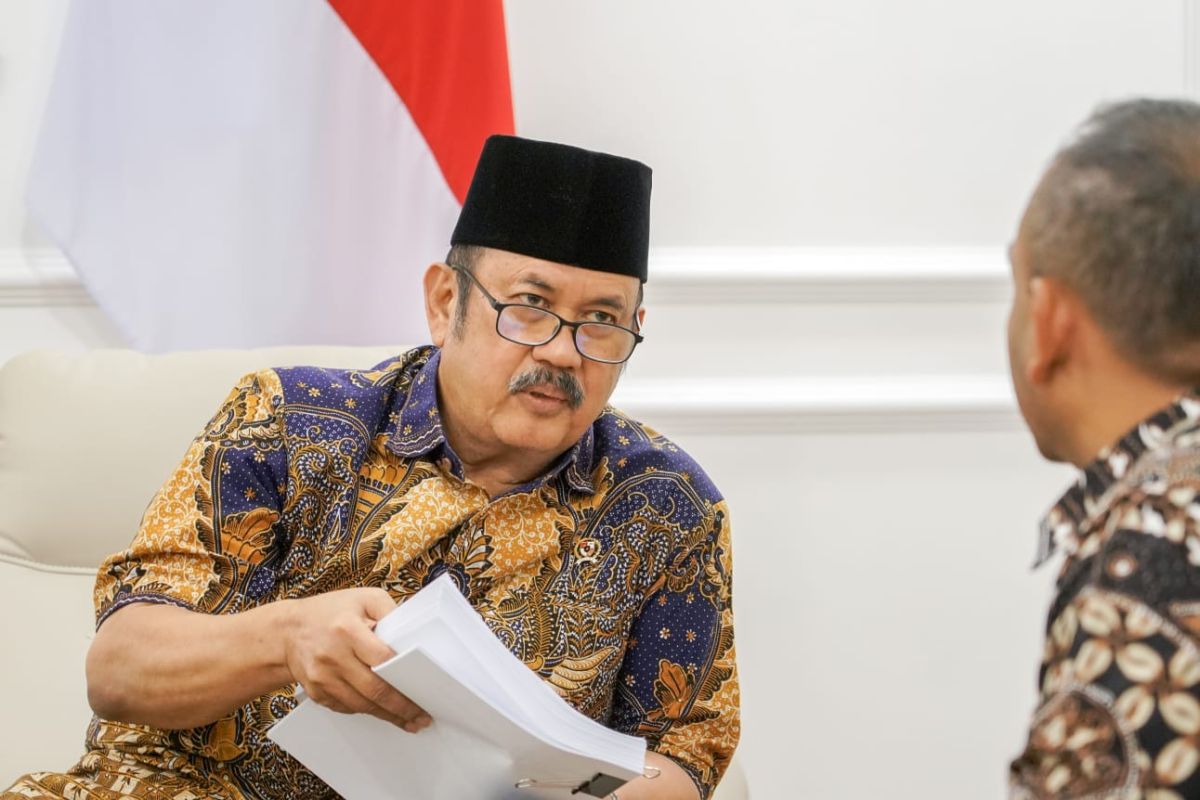
Strengthening the management of Indonesian migrant workers requires an integrated approach, including data enhancement, human resource quality improvement, and village-based protection.
Jakarta - Bappenas Head Rachmat Pambudy stated that Indonesian migrant workers should be directed towards higher-value sectors.
‘Indonesian migrant worker management must be strengthened through an integrated approach, starting with data enhancement, human resource quality improvement, and village-based protection,’ he said during a meeting with Migrant Worker Protection Minister Mukhtarudin.
The meeting followed up on the President’s directive to the Migrant Worker Protection Ministry regarding strengthening protection before, during, and after employment, and enhancing the quality and capacity of potential migrant workers through vocational education and skill upgrades.
During the meeting, Pambudy stressed the importance of strengthening One Data Indonesia (SDI) via the development of a unified migrant worker data system.
Integrated data will help the government map migrant worker placements and strengthen protection systems more effectively and measurably.
The meeting also addressed the implementation of the Presidential Directive through the SMK Go Global Programme, targeting 500,000 placements between 2026 and 2029.
The programme aims to bridge the gap between vocational education graduates and global labour market needs, including improving language and job skills.
Bappenas chief also highlighted the urgency of village-based protection, integrating villages into the migrant worker protection ecosystem.
‘The village-based protection concept is vital as villages are a source of our labour force. If properly implemented, this will be a new concept in national development. Development starts from the village, but inputs and opportunities can come from abroad,’ he said.
Bappenas is committed to supporting improved migrant worker governance through integrated and actionable development planning.
‘In principle, we are here to ensure planning supports ministries and agencies. We are merely complementing and assisting to make good programmes even better,’ Rachmat said.