
Bappenas intensifies local "crowd action" to accelerate SDG achievement
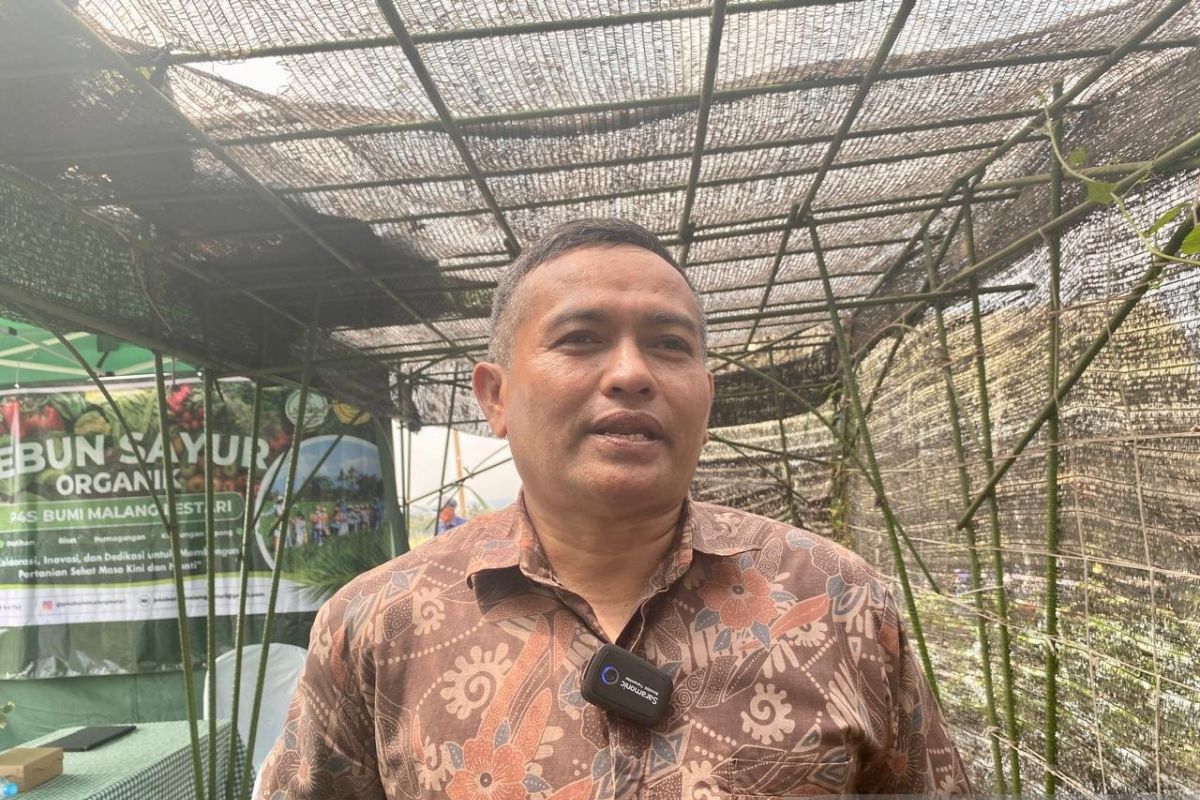
Malang (ANTARA) - The Ministry of National Development Planning (PPN/Bappels) is intensifying “crowd action,” or local-level collective movements, through the SDG Certified Leadership Program to accelerate the achievement of Sustainable Development Goals (SDGs).
“Through this ongoing programme, we hope these 50 leaders can drive various achievements at the local level, which we call crowd action—small-scale but numerous, and beneficial at higher levels such as regencies, provinces, and even the national level,” said Rachman Kurniawan, Manager of the Environmental Pillar of the National SDG Secretariat of the Ministry of PPN/Bappenas, in Malang, East Java, on Saturday.
Rachman noted that efforts to accelerate SDGs in the field face several classic challenges, ranging from limited human resource capacity and financial capabilities to time constraints.
Nevertheless, it is believed that the acceleration of sustainable development can be achieved through collaboration and mutual cooperation (gotong royong) driven by leaders at the local level.
“The SDG Certified Leadership Program is expected to produce outstanding leaders capable of driving the implementation of SDGs on the ground in various regions across Indonesia,” said Rachman.
Furthermore, he explained that the programme does not only provide theoretical understanding but also serves as a living laboratory to bring parties together to collaborate on funding, real action, and ideas to complement large-scale national programmes.
“Therefore, we cannot achieve this through massive, large-scale activities only at the national level. Instead, we want to complement them with activities that may appear small, but when aggregated, become something highly beneficial,” said Rachman.
The leadership programme includes workshops, discussions, assignments, mentoring, and the development of Capstone Projects. This year, the programme received 947 applicants from 631 institutions or organisations across 32 provinces, which were subsequently selected down to 50 participants.
Rachman explained that participants have been equipped with capacity building through both theory and classroom practice during the first and second workshop stages. Meanwhile, the Capstone Project forms part of the third workshop stage as a form of direct field implementation.
Once participants complete their Capstone Projects, Bappenas will publish and disseminate the results as best practices in a colloquium before awarding graduation certificates to the participants.
Bappenas is also encouraging participants not to stop at the final stage of the programme but to continue developing sustainably.
To facilitate this potential for sustainability, Rachman stated that the ministry is preparing a networking platform for alumni. Through this network, alumni are expected to be motivated to replicate and upscale programmes through collective cooperation.
“However, before that is fully operational, Bappenas will continue to facilitate, advocate, and even endorse various programmes so that, moving forward, this crowd action becomes an integral part of accelerating the achievement of the SDGs themselves,” said Rachman.