
Bappenas Harnesses South Kalimantan's IDR 2.7 Trillion Zakat Potential to Alleviate Poverty
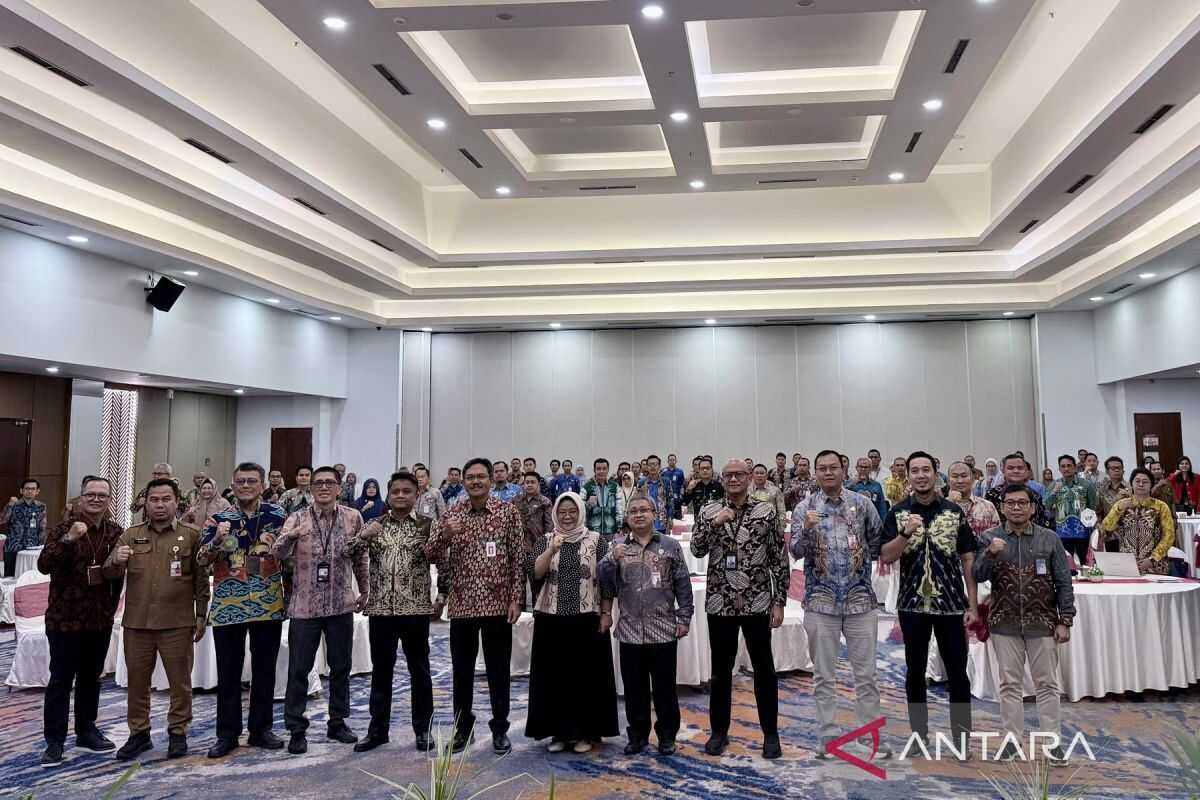
Banjarmasin (ANTARA) – The Ministry of National Development Planning (PPN)/National Development Planning Agency (Bappenas) is targeting the potential of Zakat (Islamic alms) in the South Kalimantan Province, which amounts to IDR 2.7 trillion, in order to reduce the poverty rate, which currently stands at 3.84 per cent.
The Director of Islamic Economy and State-Owned Enterprises at Bappenas, Rosy Wediawaty, stated in Banjarmasin on Tuesday that optimising Zakat is a strategy to strengthen poverty alleviation interventions through the integration of religious social funds with formal financial services.
“The dominance of the Muslim population in South Kalimantan, with 4.1 million people, or about 97 per cent of the total population, is a key asset for the development of Islamic economics in South Kalimantan,” she said.
She explained that the potential of IDR 2.7 trillion comes from income Zakat of around IDR 1.9 trillion, as well as contributions from the agricultural and livestock sectors, which amount to hundreds of billions of Rupiah.
According to Rosy, this achievement shows the need to strengthen governance and improve the capacity of human resources (HR) for Zakat managers. Out of 152 personnel in 14 management institutions, only nine Zakat collectors have official certification.
In addition, Bappenas highlighted the limitations of digital infrastructure due to the spread of internet black spots in several districts, which also hinders the expansion of digital financial services, especially in remote areas.
“The employment structure, which is dominated by the informal sector at 55 per cent, and the majority of workers with primary school education (SD) at 38.44 per cent, also have an impact on low financial literacy and the use of formal financial products,” said Rosy.
Bappenas emphasised that strengthening digital connectivity and the professionalism of Zakat collectors is the key to optimising the potential of Islamic social funds, so that it can encourage the economic independence of poor communities and accelerate poverty alleviation in South Kalimantan.