
Bappenas: Gender mainstreaming must be integral to national development planning
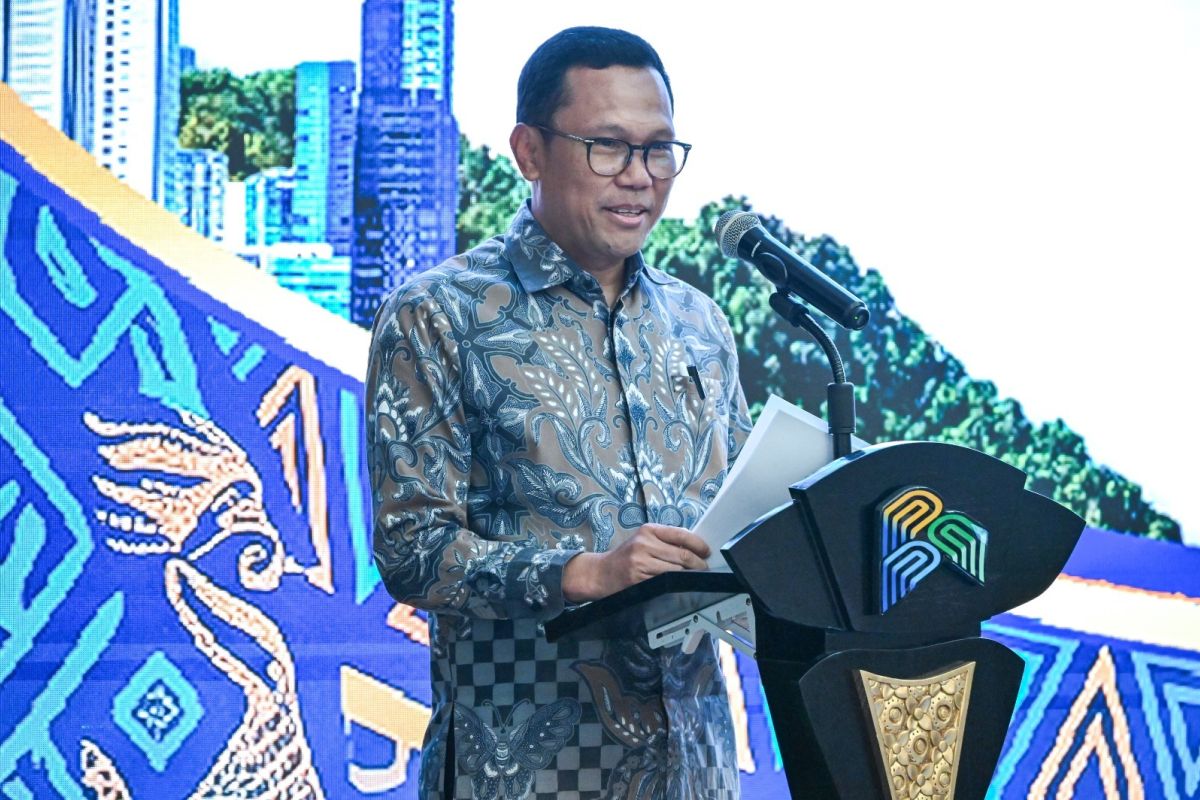
Deputy for Human Development and Culture at Bappenas, Pungkas Bahjuri Ali, said gender mainstreaming and social inclusion must be integrated into all development processes.
“Gender mainstreaming and social inclusion should not be treated as a sectoral agenda but as a development perspective that must be integrated into all processes, from planning, budgeting, implementation, to monitoring and evaluation,” he said at the dissemination event for the Baseline Study on Multi-Stakeholder Collaboration for Gender Mainstreaming and Social Inclusion, according to a statement released in Jakarta on Saturday.
Bappenas continues to strengthen gender mainstreaming and social inclusion as part of a fair and sustainable national development strategy.
These efforts aim to ensure vulnerable groups have equal access, participation, control, and benefits from development, in line with the National Long-Term Development Plan (RPJPN) 2025-2045 and National Medium-Term Development Plan (RPJMN) 2025-2029.
This commitment is reinforced through dissemination activities supported by the SKALA Programme (Synergy and Collaboration for Accelerating Basic Services), the Australia-Indonesia Partnership Programme, and implemented by The SMERU Research Institute.
According to Pungkas, civil society organisations (CSOs) play a strategic role as government partners in strengthening public policy quality and development effectiveness.
Through field experience, community networks, and closeness to vulnerable and marginalised groups, CSOs are seen as able to bridge community needs with policy-making processes while ensuring development is more targeted.
Director of Family, Childcare, Women, and Children at Bappenas, Qurrota A’yun, also stated that gender mainstreaming and social inclusion must be an integral part of national and local development planning processes.
This includes active participation of CSOs, women’s groups, persons with disabilities, the elderly, and other vulnerable groups in development decision-making processes.
“This study validates various efforts being prepared by the government through regulations and stakeholder engagement strategies, including CSOs,” she said.
Currently, Qurrota added, one process being pushed forward is the development of intervention plans that help translate community proposals, often conveyed through CSOs, into operational development planning language that local authorities can easily implement. This is expected to make gender mainstreaming and social inclusion efforts more systematic and sustainable.
Senior SMERU researcher and baseline study team member Palmira Permata Bachtiar said the study found limited CSO participation in local development planning processes, including limited CSO involvement in provincial development planning consultations and persons with disabilities lacking access and accommodations in formal planning processes.
However, positive developments include the issuance of the Community Participation Circular (SE Parmas) in January 2026 as a derivative regulation of Government Regulation No. 45 of 2017. Bappenas considers this a key step to strengthen participatory governance in the formulation of Regional Government Work Plans (RKPD).
The document also includes technical guidelines for community and vulnerable group participation, practical methods to ensure public involvement in drafting Regional Development Work Plans (RKPD), and monitoring and evaluation instruments.
“Strengthening collaboration between local governments and CSOs is key to ensuring inclusive development effectively reaches regional and village levels,” Palmira said.