
Bapanas Ensures Food Price Stability Ahead of Eid, Stocks Confirmed Sufficient
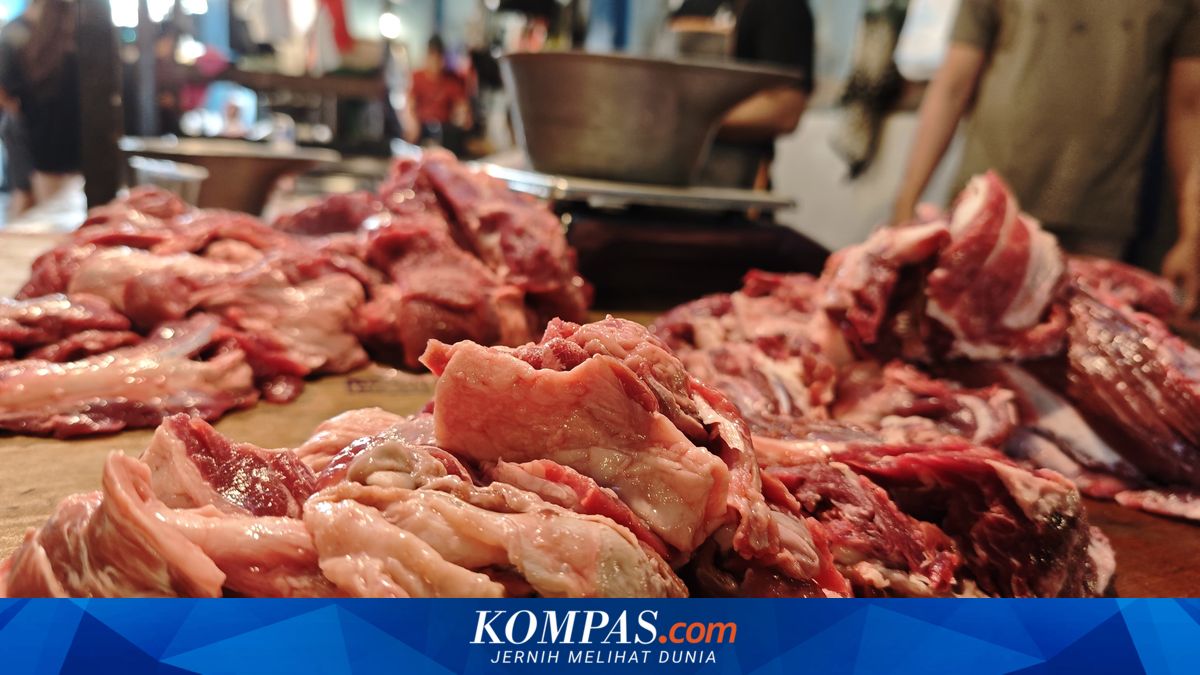
JAKARTA, KOMPAS.com — The National Food Agency (Bapanas) is strengthening efforts in food price literacy while ensuring the stability of prices and the availability of essential needs supply remain maintained ahead of Eid al-Fitr. These steps are being taken through strengthened field monitoring, price supervision, and the implementation of various food intervention programmes to maintain affordability for the public. Bapanas Director of Food Vigilance, Nita Yulianis, stated that price monitoring ahead of the religious holiday period continues to be conducted to ensure compliance with government regulations. The government has also formed the Saber Task Force for Food Price, Quality, and Safety Violations, involving various ministries and agencies. Supervision covers several strategic commodities such as rice, corn, soybeans, beef, broiler chicken, broiler eggs, chillies, cooking oil, and consumption sugar. In addition to supervision, market interventions are carried out through the distribution of rice under the Food Supply and Price Stabilisation Programme (SPHP), the implementation of the Cheap Food Movement (GPM), and the facilitation of food distribution in various regions. Education on the structure and prices of food commodities to all components of society is deemed important as part of efforts to maintain supply and price stability. “We need to clarify that not all high prices mean an increase above the Reference Selling Price. In the case of beef, for example, there is a difference between government-regulated beef and premium beef or special requests. This needs to be understood together,” said Ketut. He explained that the government sets the Reference Selling Price (HAP) for certain beef cuts, such as front and rear thighs, which currently range from Rp 135,000 to Rp 140,000 per kilogram and are widely available in various regions. Meanwhile, beef prices in the range of Rp 150,000 to Rp 160,000 per kilogram are generally for beef with specific specifications, such as low-fat or premium quality, which are not included in the government-regulated category. Bapanas also conducts direct checks on the supply chain, from feedlotters to Slaughterhouses (RPH), together with local governments, the Directorate General of Livestock and Animal Health of the Ministry of Agriculture, and the National Police Food Task Force which is part of the Saber Food Violation Task Force. “Live cattle prices at feedlotters are around Rp 55,000 per kg, at RPH around Rp 56,000 per kg, and carcasses Rp 106,000 to Rp 107,000 per kg. This means prices are relatively stable; we just need to continue intensively monitoring market prices to prevent spikes that far exceed the HAP,” revealed Ketut.