
Bapanas Accelerates Implementation of Fortified Rice for Nutritional Improvement
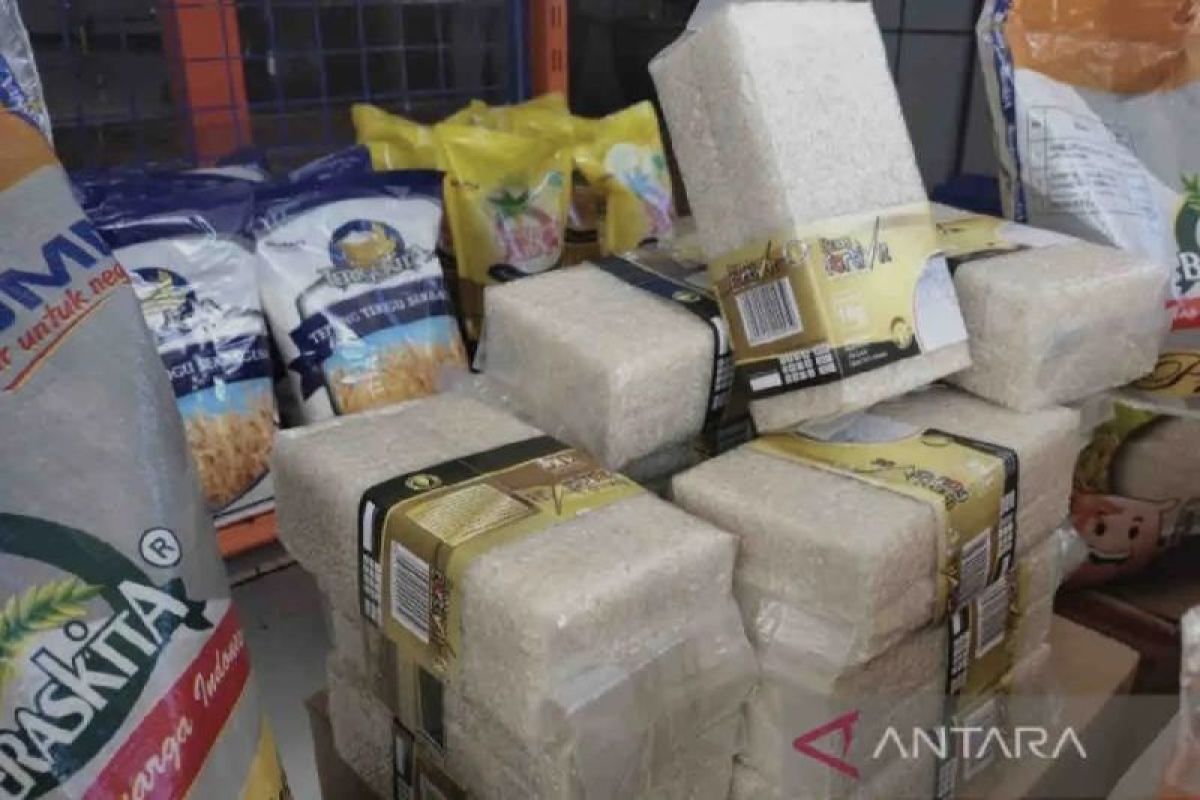
Indonesia’s National Food Agency (Bapanas) is accelerating the implementation of fortified rice as part of the national strategy to improve public nutrition quality and expand its sustainable utilisation.
Deputy for Consumption Diversity and Food Security at Bapanas, Andriko Noto Susanto, stated in Jakarta on Wednesday that this step is also aimed at strengthening quality standards, safety, and nutritional content at every stage of production and distribution.
“This effort is part of the human resource development agenda towards the Golden Generation of 2045,” he said.
He explained that the government positions nutritional improvement as the foundation for strengthening food security, encompassing availability, affordability, and sustainable food utilisation.
This condition contributes to various nutritional problems, such as micronutrient deficiencies, stunting, anaemia, and obesity.
In this context, food fortification is considered an effective approach because it can reach the wider population through daily food consumption.
Rice is chosen as the fortification medium because it is the main staple food for Indonesians, with a consumption rate of around 87 kilograms per capita per year.
“Through fortified rice, nutritional quality improvement can be carried out without changing people’s consumption patterns,” said Andriko.
In addition, Bapanas is preparing technical guidelines for ministries/institutions, local governments, and business actors, covering all stages from raw materials, production processes, labelling, to supervision and distribution licensing.
Director of Food Safety and Quality Standards Formulation at Bapanas, Yusra Egayanti, said that the success of implementation greatly depends on the consistency of meeting technical standards throughout the production chain.
She added that fortified rice must meet nutritional content requirements, including the addition of vitamins B1, B9, B12, iron, and zinc.
Besides nutritional content, process aspects are also a focus, particularly the homogeneity level of mixing between rice and fortificant kernels to maintain uniform product quality.
“This is a critical point that must be strictly controlled by business actors,” she said.
In its implementation, fortified rice is also encouraged to be integrated into various government programmes, such as Government Food Reserves, food assistance, and the Free Nutritious Meals programme.
This step is expected to expand the reach of nutritional interventions, especially in food-insecure and stunting-prone areas.
Bapanas also emphasises the importance of maintaining affordability, including through the use of medium-quality rice as the fortification raw material.
Currently, producers are still concentrated on Java Island, so there is a need to develop a more evenly distributed industrial ecosystem in various regions.
Director of the Indonesian Fortification Coalition, Nina Sardjunani, assessed that cross-sector collaboration is key to expanding the implementation of fortified rice.
“With strong policy support and consistent implementation, Indonesia has great potential to accelerate public nutritional improvements,” she said.