
Banten Quarantine Officers Discover Invasive Weed in Imported Product from Australia
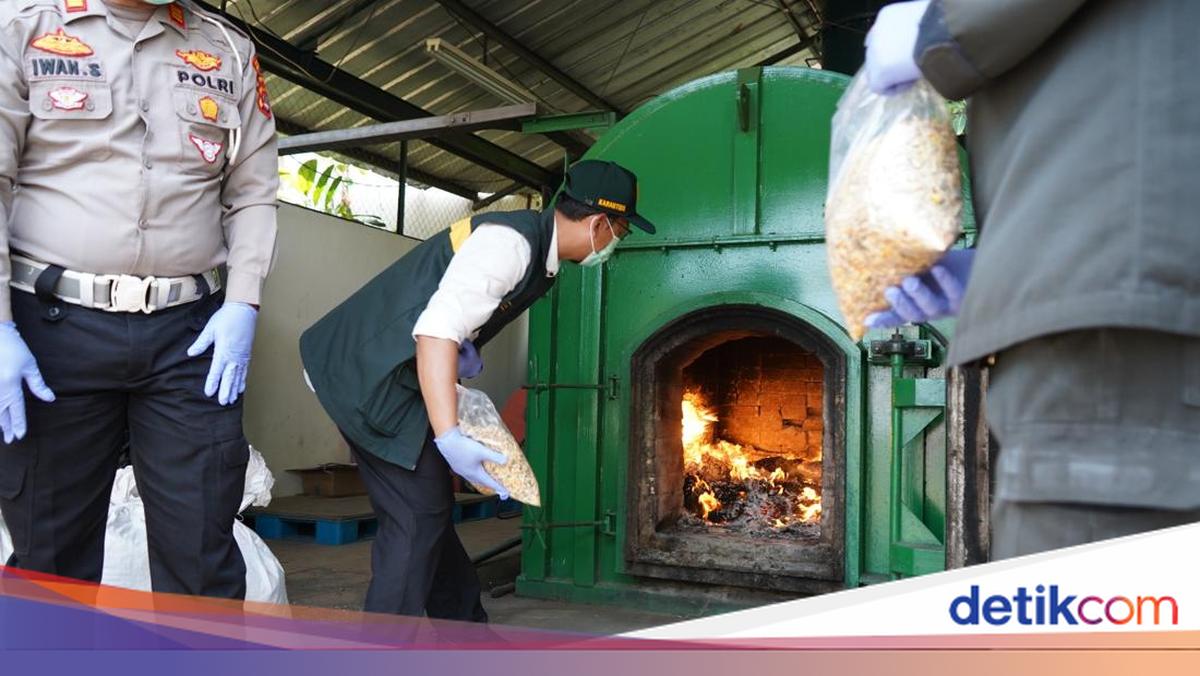
The Banten Animal, Fish, and Plant Quarantine Agency (Banten Quarantine) destroyed an invasive weed originating from Australia, which falls under the category of A1 Plant Quarantine Pest Organism (OPTK). The weed Asphodelus fistulosus was found in 27,000 tonnes of imported wheat commodities from Australia.
The destruction was carried out using high-pressure incineration at the Banten Quarantine incinerator facility in Cilegon on Wednesday (22/4). This weed is considered a threat to food security due to its invasive nature.
“Asphodelus fistulosus weed is included in the A1 OPTK category, which is not yet present in Indonesia and poses a high risk if it enters and spreads in Indonesia. Therefore, any commodity or carrier medium suspected of carrying OPTK must undergo quarantine destruction measures,” said the Head of Banten Quarantine, Duma Sari, in her statement on Thursday (23/4/2026).
According to her, the weed was detected through the plant quarantine inspection process on the imported wheat entering Indonesia via Cigading Port, Cilegon. Duma stated that from a total of 27,000.230 kilograms of wheat, officers found approximately 150 kilograms of the invasive weed within it.
“It was destroyed in accordance with applicable regulations to ensure there is no potential for the spread of the invasive weed to the surrounding environment, which could threaten the agricultural ecosystem,” she said.
According to her, the destruction was an effort to protect the agricultural sector and national food security from the threat of dangerous foreign organisms. The implementation of the destruction also complies with Law No. 21 of 2019 on Animal, Fish, and Plant Quarantine, particularly in preventing the entry, exit, and spread of OPTK into Indonesian territory.
“In terms of characteristics, this weed is known as an invasive species with high adaptability and very rapid spread. Its presence can cause competition with cultivated plants in competing for nutrients, water, and light needed for growth,” she said.
The Quarantine Agency detailed the impacts, which not only include a decline in agricultural productivity but also increased weed control costs for both farmers and the government. In addition, the presence of this invasive weed has the potential to disrupt ecosystem balance and suppress local biodiversity.
“The presence of OPTK can also impact the international trade sector. Export commodities suspected of being contaminated with pest organisms risk facing technical barriers in the destination countries, which can reduce the competitiveness of Indonesian commodities in the global market,” she said.