
Bantargebang Tragedy Recurs: Why We Continue to Maintain a 'Time Bomb' of Open Dumping
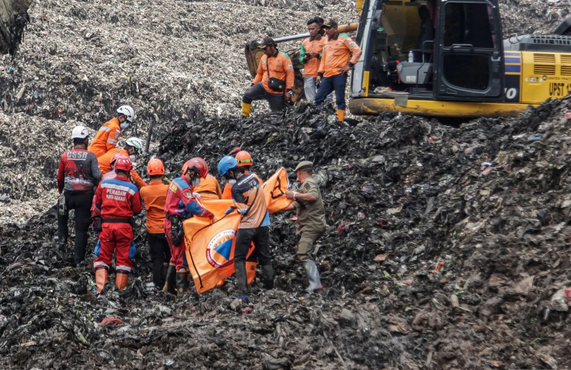
The devastating waste collapse at Zone 4 of the Bantargebang Final Waste Processing Site (TPST) on 8 March 2026, which claimed four lives, marks a dark chapter in Indonesia’s national waste management system. This incident has once again highlighted the significant risks posed by open dumping methods, which are legally prohibited in Indonesia.
A waste heap approximately 50 metres high at TPST Bantargebang suddenly collapsed on Sunday afternoon due to the accumulation of methane gas and structural instability of the pile. Consequently, five waste trucks were buried and four people, including a driver and a food stall owner at the location, were declared dead. The Government is now conducting a serious investigation into allegations of management negligence that continues to apply open dumping practices in the area.
Open dumping is the most basic waste management system in which waste is simply dumped in open land without any technical treatment. This method is extremely dangerous for several reasons.
Environment Minister Hanif Faisol Nurofiq emphasised that the Bantargebang waste collapse should serve as a stark reminder for the DKI Jakarta Provincial Government to cease open dumping waste management practices.
“This incident should not have occurred if waste management had been carried out in accordance with regulations. Bantargebang TPST must be a lesson for all of us to urgently reform, for the sake of human lives and environmental preservation,” said Environment Minister and Head of the Environmental Control Agency (BPLH) Hanif Faisol Nurofiq in a statement on Monday (9/3/2026).
The Environment Minister affirmed that 2026 is the final deadline for all landfills throughout Indonesia to cease open dumping practices. As of early 2026, hundreds of landfills remain in transition. The central Government is encouraging the use of modern technologies such as sanitary landfills and waste-to-energy systems.
The March 2026 collapse at Bantargebang is a dire warning that waste can become a killing machine if not managed with proper science and regulation. Local government commitments to close open dumping landfills and transition to sustainable technologies are no longer optional but rather a mandatory obligation for the sake of human safety and the environment.
West Java Governor Dedi Mulyadi expressed his condolences over the Bantargebang TPST collapse in Bekasi and urged all parties to remain vigilant against unforeseen disasters.
Research shows that most final waste processing sites (TPA) in Indonesia have already exceeded capacity and harbour the risk of methane gas explosions, according to BRIN researcher Reza Cordova.
More than 340 waste disposal sites (TPA) across Indonesia still employ open dumping methods despite being legally prohibited. Local governments that continue to practise open dumping at final processing sites (TPA) beyond the deadline set for 2026 will face sanctions.
The Government reports that approximately 40 final waste processing sites (TPA) in Indonesia are still conducting full-scale open dumping practices. If waste problems are not addressed urgently, several TPA facilities are projected to reach maximum capacity by 2028.