
Bantargebang Tragedy and Harsh Warning of Urban Waste Crisis
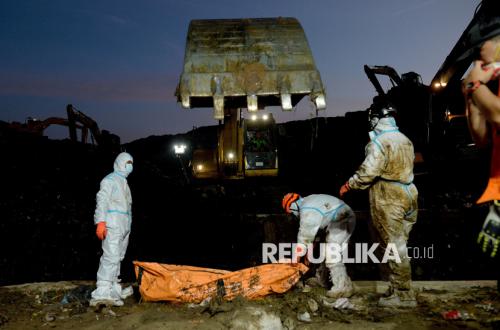
A landslide of accumulated waste at Bantargebang Final Disposal Site (TPST) that killed seven people has triggered intense scrutiny of Indonesia’s national waste management system. The incident on 8 March 2026 is considered a serious warning that dependence on landfill disposal sites is no longer safe or sustainable.
The Zero Waste Indonesia Alliance (AZWI) has described the tragedy as an alarm bell for the government to immediately overhaul waste management governance from source to disposal. AZWI noted that the collapse occurred during heavy rainfall when the accumulated waste pile gave way, burying several waste collection vehicles and surrounding structures. Latest reports confirm seven deaths, comprising small business owners and truck drivers near the collapse site.
Approximately 6,500 to 7,000 tonnes of waste from Jakarta and surrounding regions are sent to Bantargebang daily. However, final disposal sites should theoretically only receive residual waste after reduction and sorting processes have been completed at source.
AZWI data shows approximately 60 per cent of waste entering the landfill is organic waste that could actually be decomposed or processed. Another 30 per cent comprises inorganic waste that should be reduced, reused, or recycled before reaching the landfill.
According to AZWI, this situation demonstrates that Law No. 18 of 2008 concerning Waste Management has not been implemented optimally. As a result, waste volumes continue to increase and magnify risks of accidents and disasters at disposal sites.
AZWI sees the Bantargebang tragedy as a reminder of the landfill collapse at Leuwigajah, West Java, on 21 February 2005 that killed more than 150 people. That incident was triggered by accumulated waste, methane gas, and heavy rainfall, and is now commemorated as National Waste Care Day on 21 February annually.
Ibar Akbar, Zero Waste Campaign Spokesperson for Greenpeace Indonesia, stated that the tragedy represents an opportunity to improve the national waste management system.
“This tragedy is an alarm for changing the management system that prioritises reduction, reuse, and sorting from the source. The government needs to improve waste management governance. We can no longer depend on landfill sites as the primary solution. Landfills should only become the final destination for residue from waste management systems,” said Ibar on Thursday, 12 March 2026.
Ibar added that the government, particularly Jakarta Provincial Government, needs to strengthen waste reduction from households whilst ensuring waste collection is carried out in a segregated manner. Infrastructure for sorting at community level also needs to be expanded to reduce the volume of waste entering landfills.
“Bantargebang cannot be viewed merely as a dumping ground, because there are workers and residents living alongside TPST Bantargebang,” said Ibar.