
Bantargebang Near Capacity, Jakarta Relies on RDF to Convert Waste into Energy
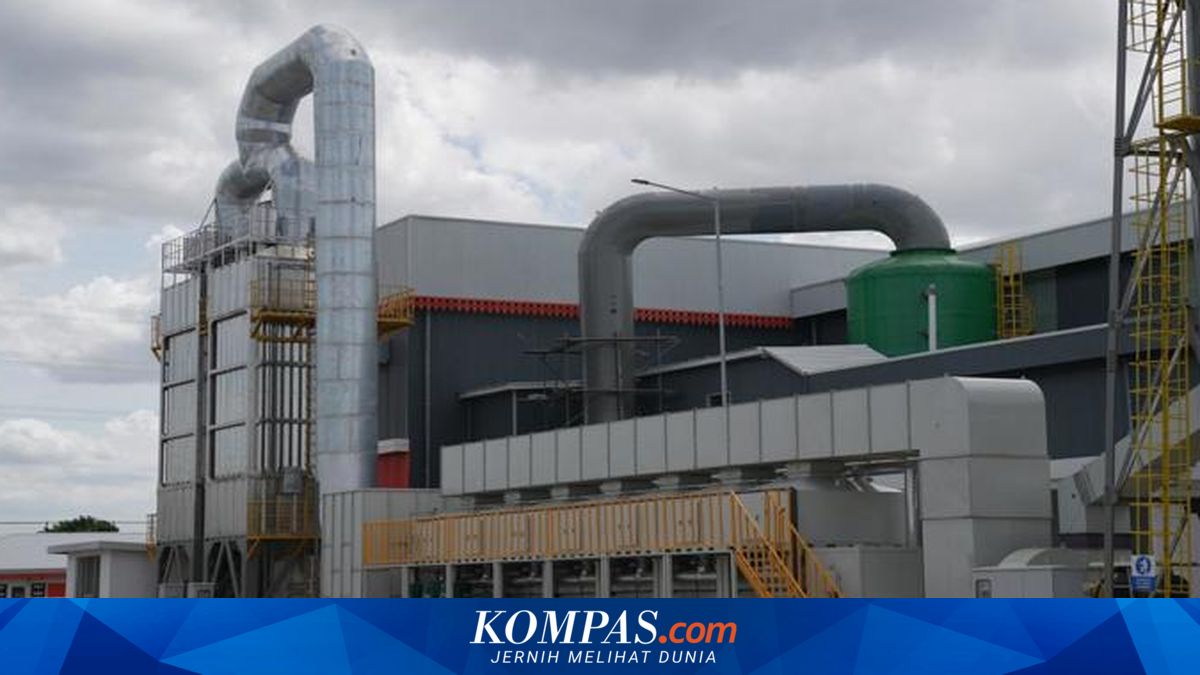
Jakarta — The Jakarta Provincial Government is promoting the use of Refuse Derived Fuel (RDF) technology as a solution to the capital’s waste problem. RDF is seen as capable of reducing Jakarta’s reliance on Bantargebang TPST, which is now operating beyond capacity. RDF is a waste processing method that converts waste into an alternative fuel for industry, such as cement plants. The technology is being implemented through the RDF Plant Rorotan in North Jakarta. “The condition of TPST Bantargebang has approached its maximum capacity. At present RDF is the only large-scale waste processing facility in the city that can reduce the load on TPST Bantargebang,” said Dudi when contacted via WhatsApp on Friday (22 May 2026). Dudi explained the primary objective of building the RDF facility is to reduce the volume of Jakarta’s waste that is transported daily to TPST Bantargebang. When operating at full capacity, the RDF Rorotan is expected to process 2,500 tonnes of waste per day. Consequently, this figure could reduce the daily waste load from Jakarta of 7,800 tonnes that has previously been sent to Bantargebang. “RDF makes a major contribution to handling waste within the city. When RDF is operating at full capacity, it will process 2,500 tonnes of waste from 7,800 tonnes per day that are currently transported to TPST Bantargebang,” he said. The DKI Provincial Government has also launched a household waste sorting programme so that the RDF facility will only receive already sorted inorganic waste. “To undertake processing in stages until it reaches design capacity while continuing to prioritise caution in minimising environmental impact,” said Dudi. During the process, household waste will be transported using compactor trucks to the RDF facility. After weighing, the waste is unloaded into a bunker before entering the mechanical processing stage.