
Bantargebang Landslide: MPR Leadership Sounds Alarm on National Waste Crisis
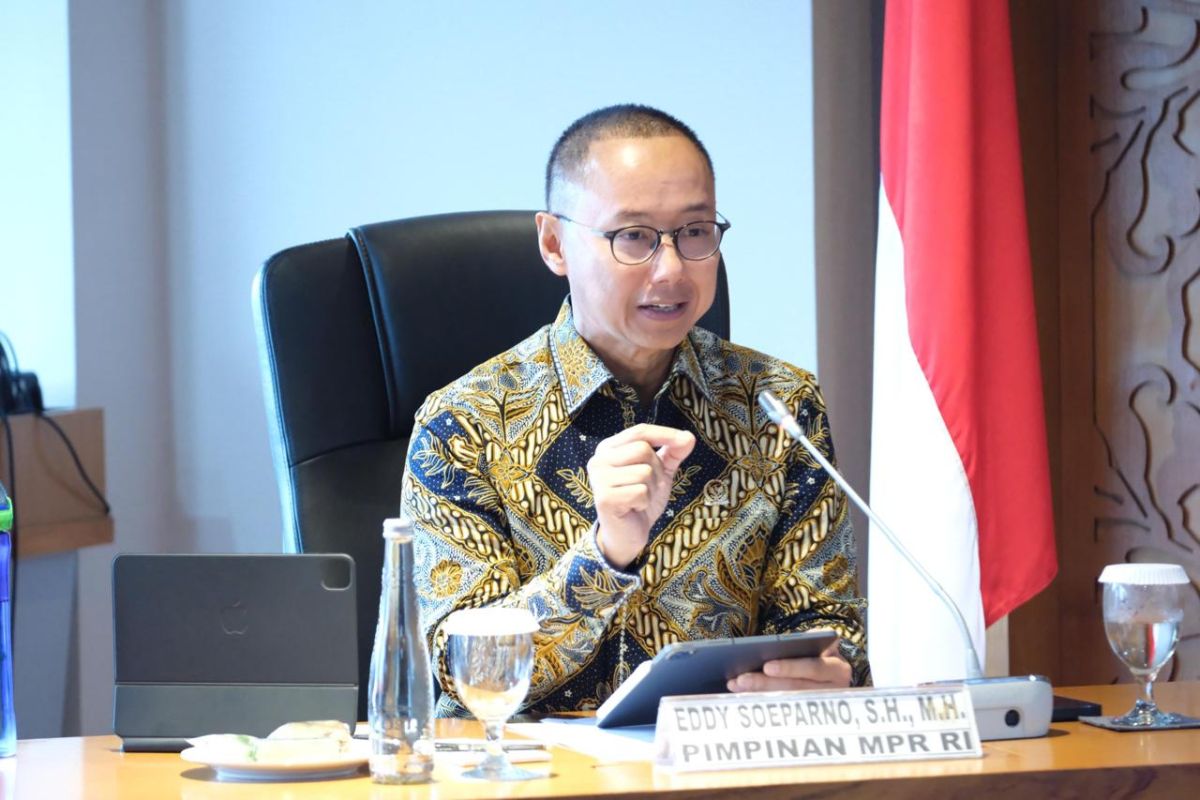
The tragic landslide at the Bantargebang Integrated Waste Processing Facility (TPST) in Bekasi City, which claimed the lives of four workers, represents both profound loss and a stark warning regarding waste management practices in Jakarta and across Indonesia. Eddy Soeparno, Vice Chair of the People’s Consultative Assembly (MPR), has emphasised that the Bantargebang incident serves as an alarm signalling a national waste management crisis that has reached a critical stage.
Eddy cited data indicating that Indonesia generates approximately 56 million tonnes of waste annually. However, field evidence demonstrates that only about 40 per cent of this total volume is being properly managed, leaving 60 per cent of waste inadequately handled and accumulating at various disposal sites.
Conditions at the Bantargebang facility exemplify the complexity of this challenge. The waste heap at the site has reportedly reached heights equivalent to a 16 to 17-storey building, a situation presenting serious risks to worker safety and the surrounding environment.
In response to the escalating waste crisis, the government has issued Presidential Regulation No. 109 of 2025 concerning waste-to-energy processing, establishing Waste Energy Power Generation facilities (PSEL). This policy represents a tactical initiative under the direction of President Prabowo Subianto to forestall a broader waste management emergency.
However, Soeparno cautioned that PSEL facilities require approximately 18 months to two years for construction. Consequently, emergency measures involving temporary landfill capacity are essential to accommodate ongoing daily waste production.
Beyond downstream technological solutions, upstream sector management is critical to long-term waste management success. Substantial efforts must be directed towards strengthening public education on waste sorting, optimising community waste banks, and enforcing laws against illegal dumping.
Concluding his statement, the MPR Vice Chair extended profound condolences to the victims and urged that worker safety and public welfare at waste processing sites be prioritised to prevent future tragedies similar to the Bantargebang incident.