
Bantargebang Landslide: Evidence of National Waste Management Crisis
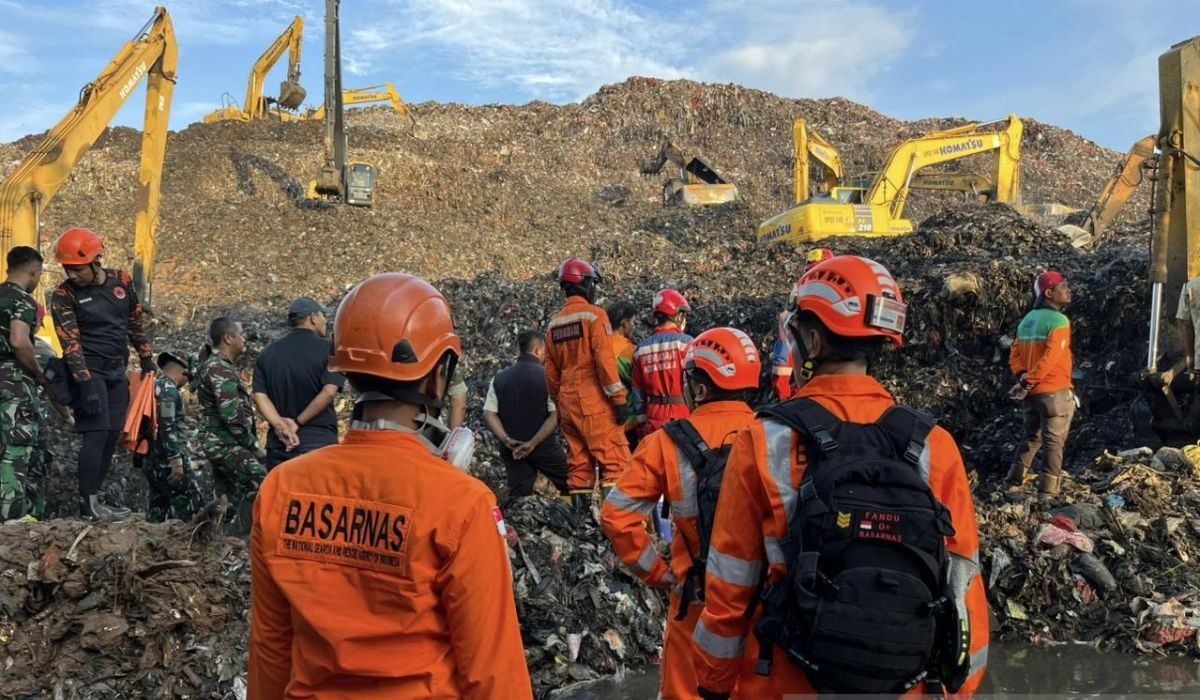
A landslide at Bantargebang waste dump in Bekasi, West Java, which killed at least four people, represents evidence of serious systemic failure in Indonesia’s national waste management. Environmental organisation Wahana Lingkungan Hidup Indonesia (Walhi) has characterised the tragedy not as a mere accident, but as a consequence of waste management approaches that remain dependent on the “collect, transport, and dump” model.
Wahyu Eka Styawan, Walhi’s Urban Justice Campaigner, stated that the approach to waste management relying on accumulation at final disposal sites (TPA) has reached a dangerous point for human safety and the environment.
According to Styawan, the Bantargebang landslide recalls the 2005 waste dump landslide tragedy at Leuwigajah, West Java, which killed hundreds of people. Yet more than two decades after that disaster, Indonesia’s waste management approach has not fundamentally changed.
“Just during this rainy season alone, there have been approximately three to five waste landslide incidents over the past six months. Previously, Cipayung TPA also experienced a landslide,” said Styawan on Tuesday (10 March).
Walhi views the Bantargebang condition as reflecting a broader crisis across various cities in Indonesia. Many TPAs have exceeded their storage capacity, whilst waste production continues to increase without serious reduction strategies.
The situation is further exacerbated by many final disposal sites continuing to operate using open dumping systems. Walhi data shows that approximately 343 of 550 TPAs in Indonesia have been forced to close because they employ this method.
Styawan characterised the situation as demonstrating that Indonesia faces a waste mountain emergency. As long as the government continues to position TPAs as the primary waste management solution, the risk of ecological and humanitarian disasters will continue to increase.
Additionally, the waste crisis is seen as merely shifting from one region to another. Styawan noted that waste management failure in major cities such as Jakarta ultimately burdens surrounding areas as dumping locations.
“The crisis at Bantargebang demonstrates how the waste problem is merely transferred from one region to another. The failure of waste management in Jakarta is passed on to Bekasi,” he stated.
Walhi has urged the government to immediately undertake a transformation of the waste management system by placing source reduction as the primary priority. These efforts include strengthening waste reduction policies, implementing extended producer responsibility (EPR), and developing sorting and reuse systems at city and community level.
The organisation believes waste management transformation must align with Law Number 18 of 2008 concerning Waste Management.
“The tragedy at Bantargebang must serve as a serious alarm for the government to undertake waste management transformation. Without fundamental change, cities across Indonesia will continue to face the risk of similar disasters in the future,” Styawan concluded.