
Bantargebang Landslide: Current Condition and Capacity of the Integrated Waste Processing Facility
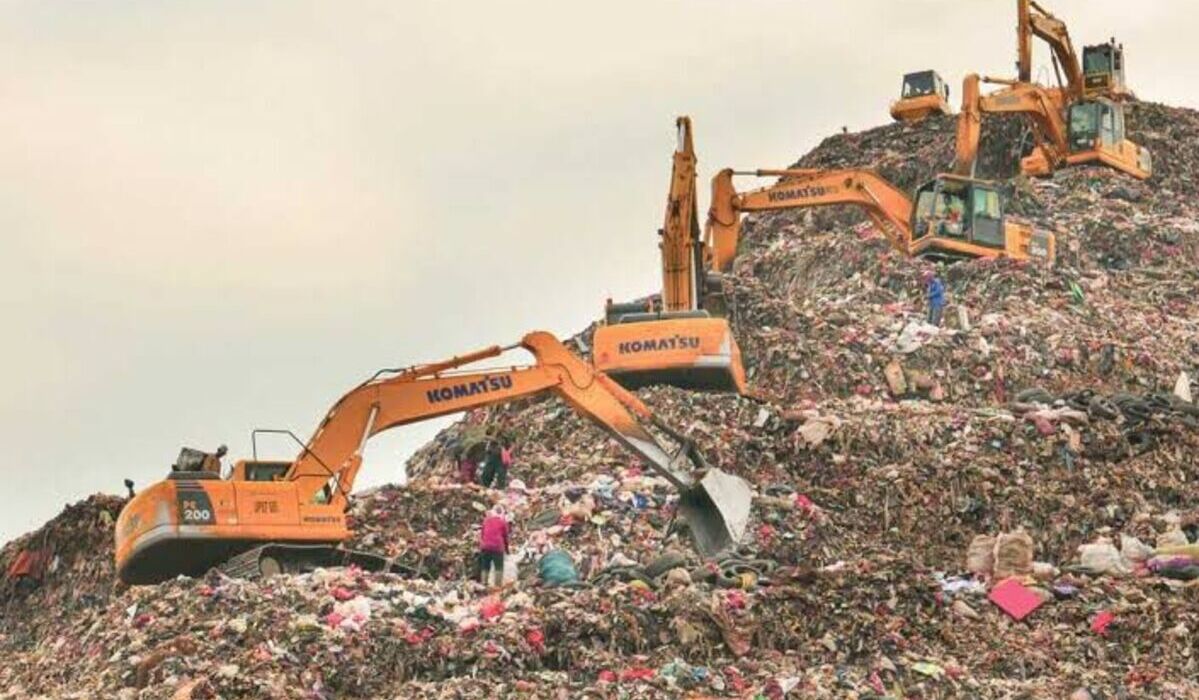
A deadly tragedy struck the Bantargebang Integrated Waste Processing Facility (TPST) in Bekasi on Sunday, 8 March 2026. A landslide in Zone 4A not only crippled operations but also claimed lives amid critical land capacity constraints.
The incident occurred at 14:30 local time when dozens of rubbish trucks were queuing to unload at Zone 4A. Without warning, a 50-metre-high garbage mound collapsed. The Head of Jakarta’s Regional Disaster Management Agency (BPBD), Isnawa Adji, identified extreme rainfall reaching 264 millimetres as the primary trigger.
“Rainwater seeped into the pores of garbage piles, causing the structure to become slippery or prone to sliding. As a result, waste material shifted on a large scale and buried everything beneath it, including operational roads and a 40-metre stretch of the Ciketing River,” Isnawa explained.
TPST Bantargebang covers a total area of 110.3 hectares divided into several zones. However, the daily influx of waste reaching 7,400 to 8,000 tonnes has pushed capacity to a critical point.
Following the Bantargebang landslide incident, Jakarta Governor Pramono Anung ordered temporary closure of Zone 4A for normalisation work. As a relief measure, the Jakarta provincial government prepared two temporary zones and optimised Zone 3.
Environment Minister Hanif Faisol Nurofiq emphasised that this tragedy reflects systemic failure in open dumping waste management. He urged Jakarta to transition fully to advanced waste processing technologies such as Refuse Derived Fuel (RDF) to prevent further loss of life from garbage piles.
Amid increasingly critical conditions at TPST Bantargebang, Jakarta continues to send up to 8,000 tonnes of waste daily, heightening the risk of larger environmental disasters.