
Bantargebang Landfill Collapse: Deadly Waste Landslide Exposes Jakarta's Garbage Crisis
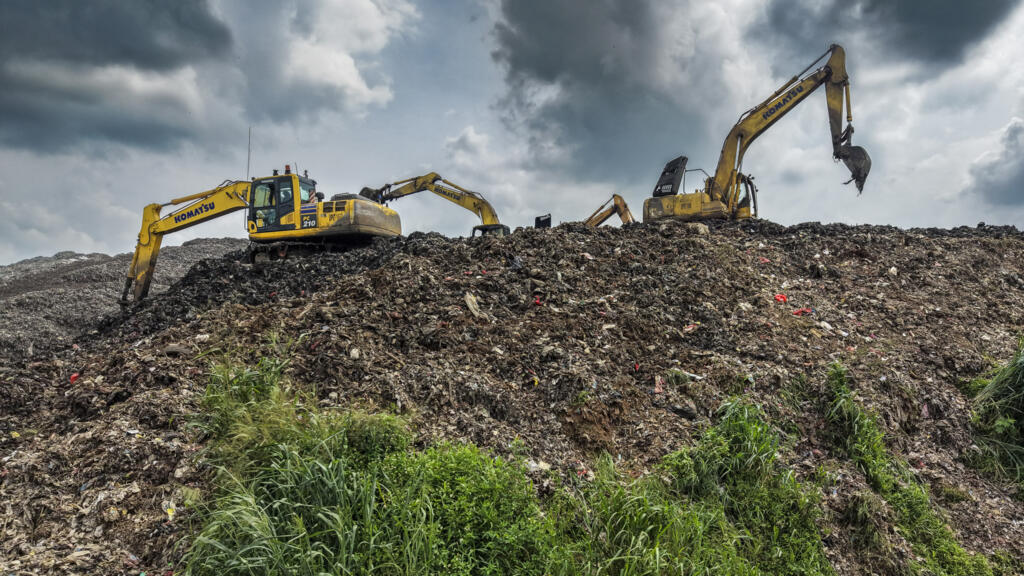
Heavy rain triggers fatal collapse as rescuers search for victims at Indonesia’s largest dump
A massive garbage landslide at the Bantargebang landfill near Jakarta has turned a long-running waste management problem into a deadly national warning.
Collapse Hits Indonesia’s Largest Landfill
The landslide struck Bantargebang on March 9 after heavy rain, sending a huge mass of garbage down onto parts of the site and trapping workers and others nearby. Officials said the landfill, located in Bekasi just outside Jakarta, is one of the largest open dump sites in the world.
Bantargebang serves the wider Greater Jakarta region, which generates around 14,000 tonnes of waste a day. The facility covers more than 110 hectares and holds tens of millions of tonnes of accumulated trash, making it a critical but heavily strained part of the capital’s waste system.
Death Toll And Search Efforts
By March 10, at least five people had been confirmed dead and several others were still missing, according to multiple reports. More than 300 rescuers, backed by heavy machinery and sniffer dogs, were deployed to search unstable piles of debris and waste.
Authorities warned that continued rain could trigger more movement at the site, putting rescue teams at further risk. Disaster officials said strict safety protocols were needed because the collapsed waste mound remained unstable.
Minister Blames Waste Mismanagement
Environment Minister Hanif Faisol Nurofiq said the disaster reflected deeper failures in Jakarta’s waste management system and pointed to local authorities’ responsibility for allowing waste to keep piling up despite a 2008 ban on open dumping. He described Bantargebang as the “tip of the iceberg” of a broader problem.
Hanif said the incident should be treated as a hard lesson for Jakarta to urgently improve how it handles garbage. His remarks intensified scrutiny on a landfill that has long been criticized for overcapacity and weak long-term planning.
National Pressure To Fix The System
President Prabowo Subianto said last month that many of Indonesia’s landfills could exceed capacity by 2028, and the government plans to invest about US$3.5 billion in 34 waste-to-energy projects over two years. The aim is to reduce dependence on open dumping and convert trash into electricity.
The Bantargebang collapse has now added urgency to those plans. Analysts and local reporting have increasingly linked Greater Jakarta’s waste crisis to overloaded disposal sites, chronic underinvestment, and slow reform.
Why The Disaster Matters Regionally
The tragedy is not only a local infrastructure failure. It also shows how urban growth, weak waste systems, and extreme weather can combine into deadly risks in major Southeast Asian cities. Similar landfill disasters in the region have already shown how quickly overloaded dump sites can become fatal.
For Indonesians, Bantargebang is a warning that waste reform can no longer be delayed. For Singaporeans, the collapse is another reminder that environmental and urban management failures in neighboring Indonesia can carry wider regional implications, especially in a tightly linked metropolitan and economic corridor.
The Bantargebang landslide has exposed more than a dangerous pile of trash. It has revealed the cost of relying on overburdened dump sites in one of Southeast Asia’s largest urban regions. If Jakarta fails to act decisively, the next warning may be even deadlier.
Sources: France24 (2026) , Jakarta Globe (2026)
Keywords: Bantargebang Landslide, Jakarta Garbage Collapse, Indonesia Landfill Disaster, Waste To Energy Indonesia, Bekasi Rescue Operation