
Bank Indonesia Readjusts Foreign Exchange Transaction Limits from April 2026 to Support Rupiah Stability
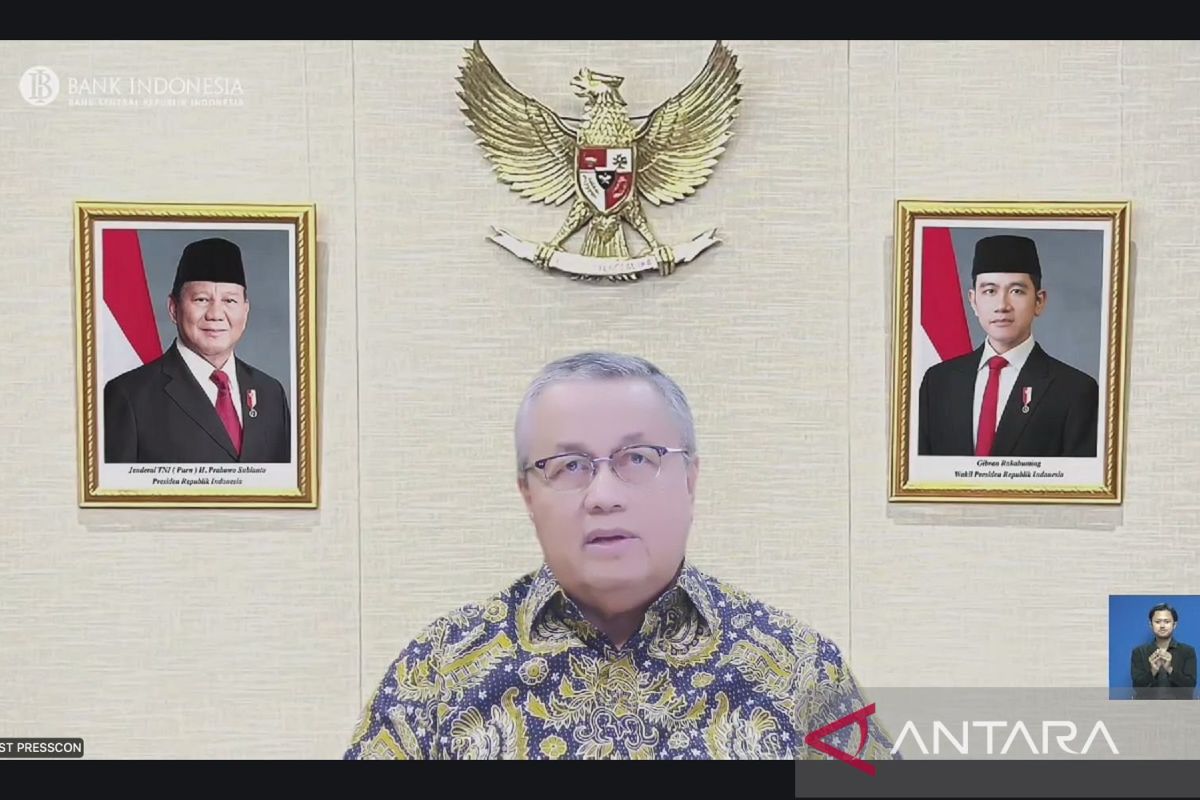
Jakarta — Bank Indonesia (BI) has readjusted the thresholds for foreign exchange market transaction policies, which will take effect from April 2026 to support the stability of the rupiah exchange rate.
“Bank Indonesia is fully committed and all-out in maintaining exchange rate stability with the various instruments at our disposal in monetary policy,” said Bank Indonesia Governor Perry Warjiyo during an online press conference on the results of BI’s Board of Directors meeting in Jakarta on Tuesday.
In detail, one of the adjustments involves the cash threshold for foreign currency purchases against the rupiah, which is being reduced from $100,000 per actor per month to $50,000 per actor per month.
Meanwhile, the threshold for DNDF/Forward sales is being increased from $5 million per transaction to $10 million per transaction.
Similarly, the threshold for buying and selling Swaps is also increasing from $5 million to $10 million per transaction.
Additionally, BI is strengthening the requirements for Foreign Exchange Flow Reporting (Lalu Lintas Devisa) by adjusting the threshold for mandatory supporting documents for outgoing foreign currency fund transfers from $100,000 to $50,000, which will take effect from April 2026.
Deputy Governor of BI Thomas Djiwandono added that these refinements will take effect on 1 April as part of efforts to maintain the stability of the rupiah exchange rate whilst deepening the domestic financial market.
In formulating this policy, he said, BI has monitored developments in the exchange rate, liquidity conditions, and transaction patterns of market participants.
Thomas explained that the reduction in the foreign currency purchase threshold is aimed at strengthening cash transactions based on genuine underlying needs rather than speculative purposes.
Meanwhile, the increase in DNDF and Forward transaction thresholds aims to provide greater flexibility for market participants in providing liquidity in the domestic foreign exchange derivatives market.
“These refinements will be implemented on 1 April, and Bank Indonesia will also provide a one-month transition period to ensure all implementation runs smoothly,” said Thomas.