
Bank Indonesia: Middle East conflict since February worsens global economic outlook
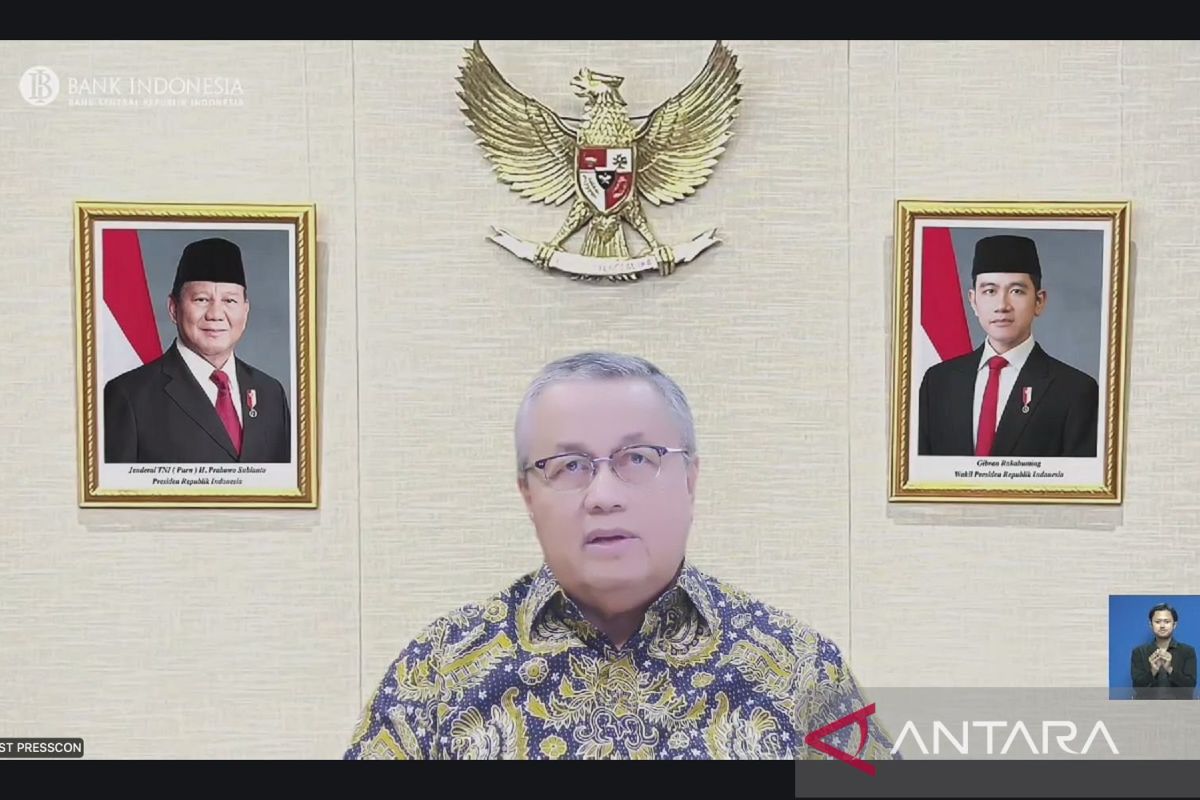
Jakarta — Bank Indonesia (BI) has assessed that the Middle East conflict occurring since late February 2026 is worsening global economic conditions and prospects.
“The surge in global oil prices has had a negative impact on international supply chains for trade between countries, thereby reducing prospects for global economic growth and increasing pressure on global inflation,” said BI Governor Perry Warjiyo during a press conference on the results of BI’s Board of Governors Meeting held online in Jakarta on Tuesday.
Warjiyo further explained that global financial markets have also deteriorated with the strengthening of the US dollar, an increase in US Treasury yields, and capital outflows from emerging markets.
Global economic growth in 2026 is now estimated to be slower at 3.1 per cent compared to the previous forecast of 3.2 per cent, despite a reduction in US reciprocal tariffs.
Global inflationary pressure has also increased from 3.8 per cent to 4.1 per cent, narrowing the scope for a global monetary policy easing, including the possible further postponement of cuts to the Federal Funds Rate (FFR).
Moreover, Warjiyo stated that US Treasury yields continue to rise as a result of the swelling US fiscal deficit, including increased spending to finance the conflict.
The global inflation risk premium has increased, resulting in a shift in capital flows to safe haven assets, particularly to the US money market. Meanwhile, the US dollar index against both developed and emerging market currencies continues to strengthen.
Warjiyo emphasised that various indicators regarding the impact of the Middle East conflict on global conditions continue to demonstrate that the deterioration of the global economy and financial markets as a result of the Middle East conflict is increasingly pressuring emerging market currencies and complicating economic management.
This situation necessitates strengthened coordination and synergy of fiscal and monetary policy responses to maintain external resilience and continue supporting domestic economic growth.