
Bank Indonesia Maintains BI Rate at 4.75%, Economists View Move as Effort to Protect Rupiah Stability
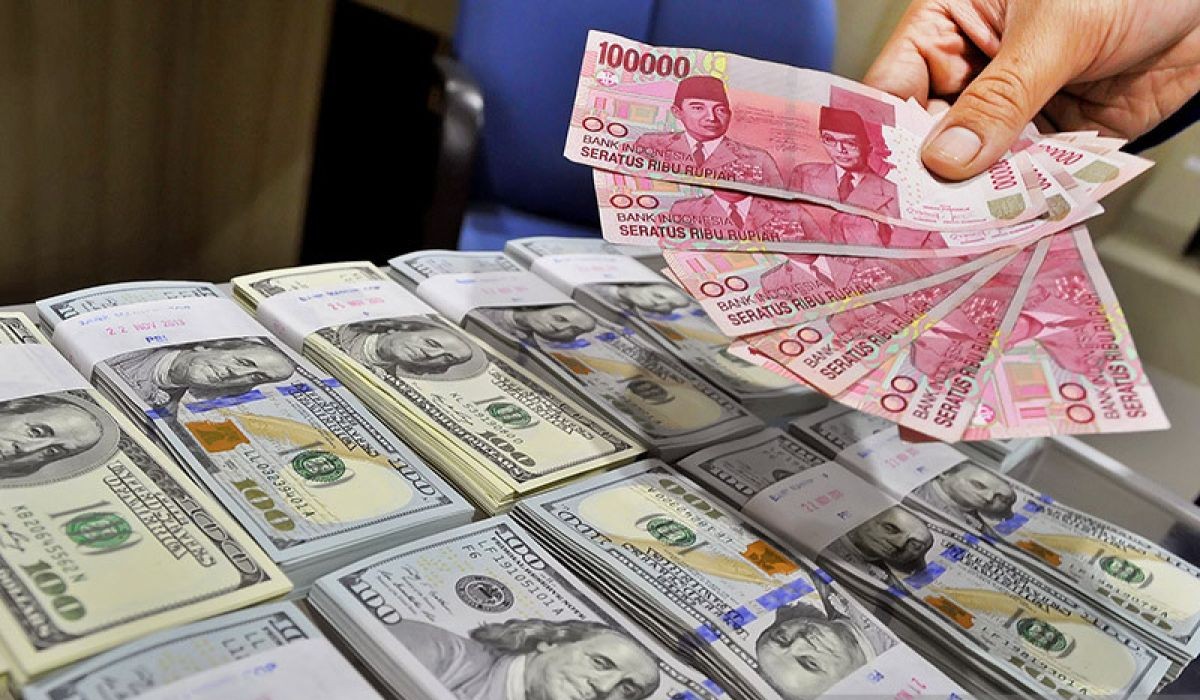
Bank Indonesia has decided to maintain the BI-Rate at 4.75% for March 2026, prioritising currency stability over interest rate cuts. Hosianna Evalita Situmorang, economist at PT Bank Danamon Indonesia Tbk, endorses Bank Indonesia’s decision to hold rates steady at 4.75% in order to strengthen rupiah stability. She notes that Bank Indonesia’s policy stance has shifted away from signalling room for interest rate reductions and now focuses on rupiah stability as the primary anchor amid rising global volatility.
“Overall, policy calibration now leans strongly towards rupiah stability rather than interest rate easing, whilst maintaining sufficient liquidity to support growth,” she stated on 17 March.
External shocks stem from Middle Eastern conflicts that have triggered rising oil prices, strengthened the US dollar, and driven up yields on US government bonds. This has triggered capital outflows and pressure on the rupiah.
Bank Indonesia has responded with intensive foreign exchange intervention (spot, DNDF, offshore NDF), expanded secondary market government securities purchases, and targeted liquidity incentives (KLM) to stabilise markets without disrupting credit growth.
Starting in April 2026, Bank Indonesia will tighten foreign exchange regulations: individual cash purchases will be capped at USD 50,000 per month (down from USD 100,000), DNDF/forward thresholds will be raised to USD 10 million, swap limits will be doubled to USD 10 million per transaction, and stricter documentation will be required for transfers exceeding USD 50,000.
“These measures aim to curb speculative flows, deepen the domestic foreign exchange market, and enhance transparency,” Hosianna said.
Inflation has moderated to 4.76% year-on-year in February 2026 (core: 2.63%), primarily driven by base effects and food price volatility. Bank Indonesia expects inflation to remain within its 2.5%±1 target, although global food and fertiliser prices pose upside risks.
On the fiscal front, State Asset Liability (SAL) is estimated to decline to IDR 175 trillion after deficit financing and IDR 201 trillion in placements at state-owned banks. “Based on an oil price scenario of USD 97 per barrel and IDR 17,300 per USD, the fiscal deficit may widen to approximately 3.53% of GDP (around IDR 110 trillion), but remains manageable within existing reserve buffers,” she said.
“Foreign exchange reserves of approximately USD 151.9 billion—representing 6.1 months of imports—provide a strong external cushion, although the current account deficit may widen to 0.9%–1.0% of GDP,” she concluded.