
Bank Indonesia Governor Claims Rupiah is Undervalued: Is This True?
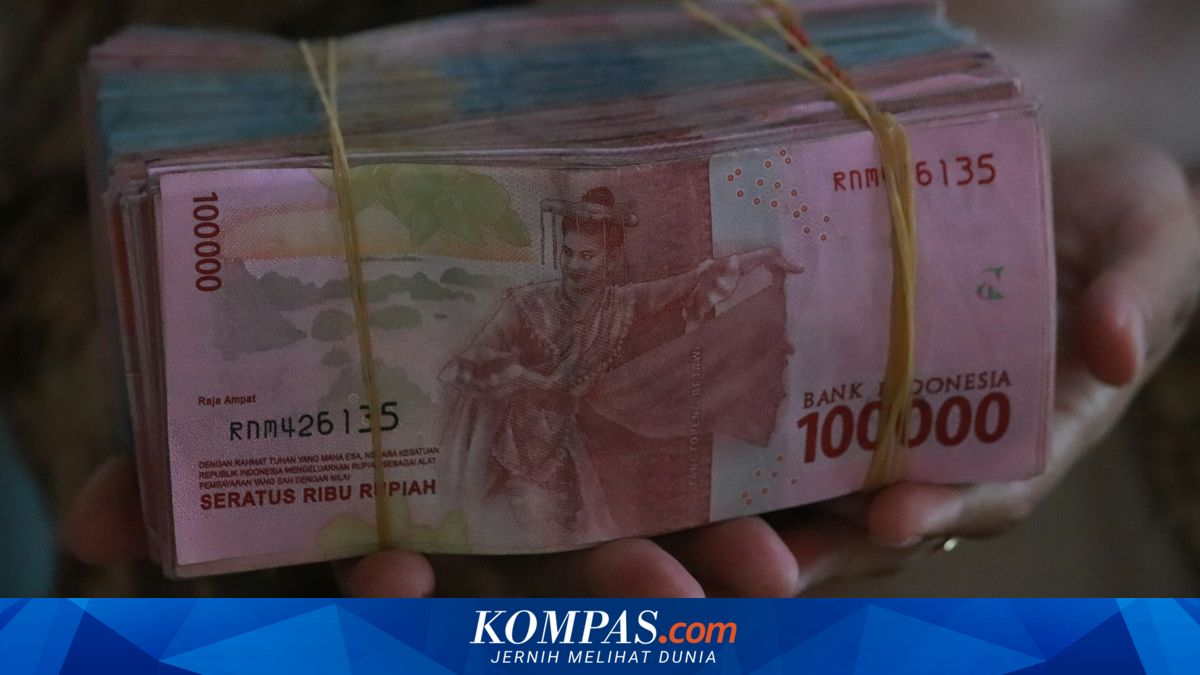
JAKARTA, KOMPAS.com - Bank Indonesia Governor Perry Wajiyo’s claim that the rupiah is below its fundamental value has sparked debate among economists. This assessment does not stand alone. Some see the rupiah as indeed cheap in real terms. Others believe market pressures are still too strong to label it undervalued.
Permata Bank’s Chief Economist Josua Pardede assesses that the rupiah is currently below its fair value when viewed through the Real Effective Exchange Rate (REER) indicator. This indicator measures the real exchange rate against a basket of major trading partners’ currencies.
“In my view, the statement that the rupiah is undervalued has a basis if looked at from the real effective exchange rate (REER), not just from the rupiah-to-US dollar figure on the screen,” he told Kompas.com on Thursday (23/4/2026).
This movement aligns with the weakening of the nominal exchange rate. The rupiah was around Rp16,699 per US dollar at the end of 2025. Its value continues to be pressured by the escalation of conflict in the Middle East. In the latest trading, the rupiah touched Rp17,300 per US dollar.
Josua sees this condition as an indication of undervaluation in real terms. Global pressures are the main factor. Domestic demand for US dollars is also high. Perceptions of risk towards emerging market assets further pressure the rupiah.
“So in real terms, the rupiah does appear undervalued (REER below 100). However, being cheap does not automatically mean it will soon strengthen, because a currency can remain cheap for quite a while if the risk premium is still high and markets remain unsettled,” he explained.
A differing view comes from Maybank Indonesia’s Global Market Economist Myrdal Gunarto. He believes the rupiah cannot yet be categorised as undervalued in the current conditions.
Myrdal sees the main pressure coming from high foreign currency demand in the domestic market. Foreign exchange needs have increased for short-term fund flows in the financial markets. Dividend payments by businesses also drive demand.
Additionally, he highlights the trade balance condition which is starting to come under pressure. Rising global oil prices are boosting energy imports. As a result, the trade surplus is potentially narrowing.
“So that’s why, if we look at the rupiah’s movement right now, it can’t be said to be undervalued,” Myrdal told Kompas.com on Thursday.
Pressure from capital outflows is also still high. This situation makes the undervaluation assessment less relevant in the short term.
“So if the current condition is when hot money positions are still experiencing hot flows and the trade surplus is also eroding, I think it’s no longer an appropriate statement to say our rupiah is still undervalued,” he clarified.
“Unless we really deploy all our foreign exchange reserves just for stabilising the rupiah’s exchange rate. But fundamentally, we see that foreign exchange demand is now at its peak,” he added.