
Bank Indonesia Governor Acknowledges Middle East War Worsening Global Economic Prospects
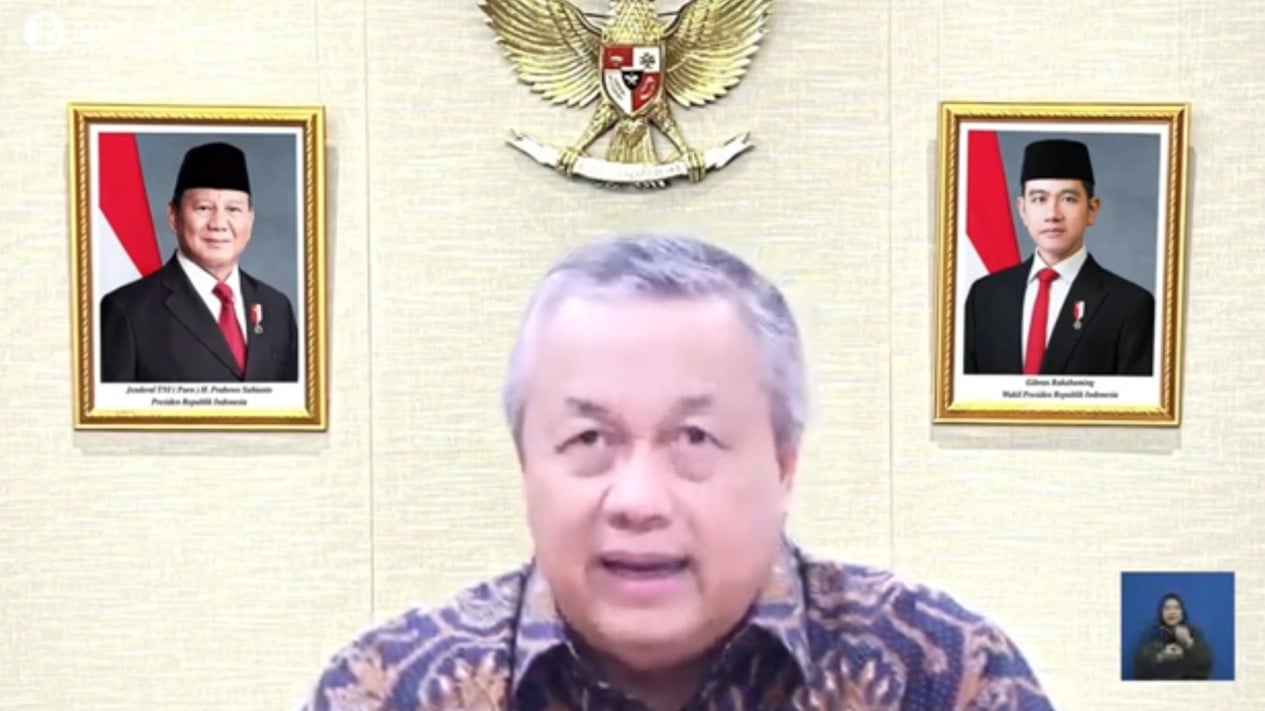
Jakarta – Bank Indonesia Governor Perry Warjiyo has stated that the Middle East war between Iran and the United States-Israel coalition, which commenced in late February 2026, has significantly worsened global economic conditions and prospects.
He noted that the conflict has driven up global crude oil prices, which has negatively impacted international trade supply chains. “This has lowered global economic growth prospects and increased global inflationary pressure,” Perry said during a press teleconference on Tuesday, 17 March 2026.
Global financial markets have also deteriorated, with the US dollar strengthening and US Treasury yields rising, accompanied by capital outflows from emerging markets.
Despite the reduction in reciprocal US tariffs, global economic growth in 2026 is now projected to slow to 3.1 per cent, down from the previous estimate of 3.2 per cent. Global inflationary pressure has also increased from 3.8 per cent to 4.1 per cent, narrowing the scope for global monetary policy easing and potentially delaying further cuts to the Federal Funds Rate.
US Treasury yields have continued to rise due to the swelling of the US fiscal deficit, including increased defence spending for war financing. The global inflation risk premium has increased, causing capital flows to shift towards safe haven assets, particularly the US money market. The US dollar index against both advanced and developing country currencies has also continued to strengthen.
Warjiyo emphasised that various indicators demonstrate that the Middle East war’s deteriorating impact on global economic and financial conditions continues to pressure emerging market currencies and complicate economic management.
He stressed that these conditions necessitate strengthened responses and policy synergy between fiscal and monetary authorities to maintain external resilience and support domestic economic growth.