
Bank Indonesia Expands QRIS Cross-Border to China, Transactions Available from Today
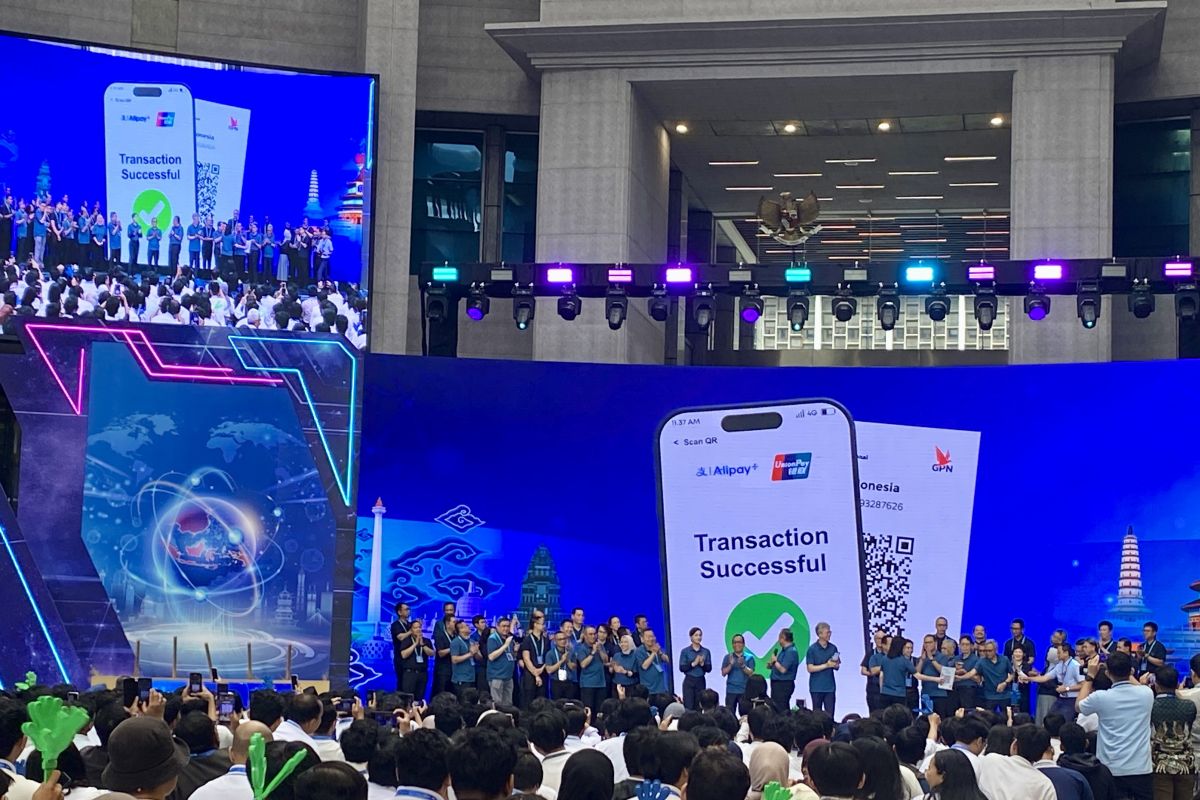
Jakarta (ANTARA) - Bank Indonesia (BI) is expanding the use of the Quick Response Code Indonesian Standard (QRIS) cross-border to China starting Thursday (30/4), allowing inbound and outbound transactions between Indonesian and Chinese citizens through QR code scanning.
However, the use of Chinese QR codes is currently limited to UnionPay QR, Alipay QR, and unified QR with UnionPay and Alipay logos. Other Chinese QR codes, including WeChat Pay QR, are still in the development and technological adjustment phase.
“So, every time we go to China or Chinese citizens come to Indonesia, don’t use cash, just use your mobile phone and voila, you can buy anything,” said BI Governor Perry Warjiyo during the launch in Jakarta on Thursday.
On the same occasion, Chinese Ambassador to Indonesia Wang Lutong expressed appreciation for the leadership of BI Governor and Indonesia’s achievements in the financial and digital sectors.
He assessed that amid rapid global changes, the banking sector needs to adapt to innovation, artificial intelligence (AI), and digitalisation, including through strengthening investments in technology and human resources.
“We look forward to the official launch of QRIS (QRIS connected to Chinese QR) and will continue to expand participation and acceptance, involving more banks and payment institutions. We are very excited about the future that awaits us all,” said Wang.
Meanwhile, Chairman of the Indonesian Payment System Association (ASPI) Santoso Liem views this cooperation as a great opportunity, given that both China and Indonesia are leading players in the digital economy.
According to him, this collaboration will promote transaction convenience, especially with the high mobility of tourists from both countries, and has the potential to strengthen future business relations through cross-border transactions.
Santoso said that the integration of the payment system with China is still ongoing in stages. Although China has a national QR standard, integration between service providers still requires adjustments to connect internationally.
Going forward, he said, the cooperation also includes other payment providers in China, including WeChat Pay. However, its implementation is still in the exploration stage because it requires technological adjustments, especially in system interconnection and platform integration.
“So they must integrate, of course there is a little adjustment. But for Alipay and UnionPay, it can already be used,” said Santoso.