
Bank Indonesia Alerts to Middle East Conflict: Safeguards Rupiah and Mitigates Risks
JAKARTA — Bank Indonesia (BI) has expressed concern regarding the potential impact of escalating conflict between the United States, Israel, and Iran on Indonesia, amid a slowdown in global economic growth.
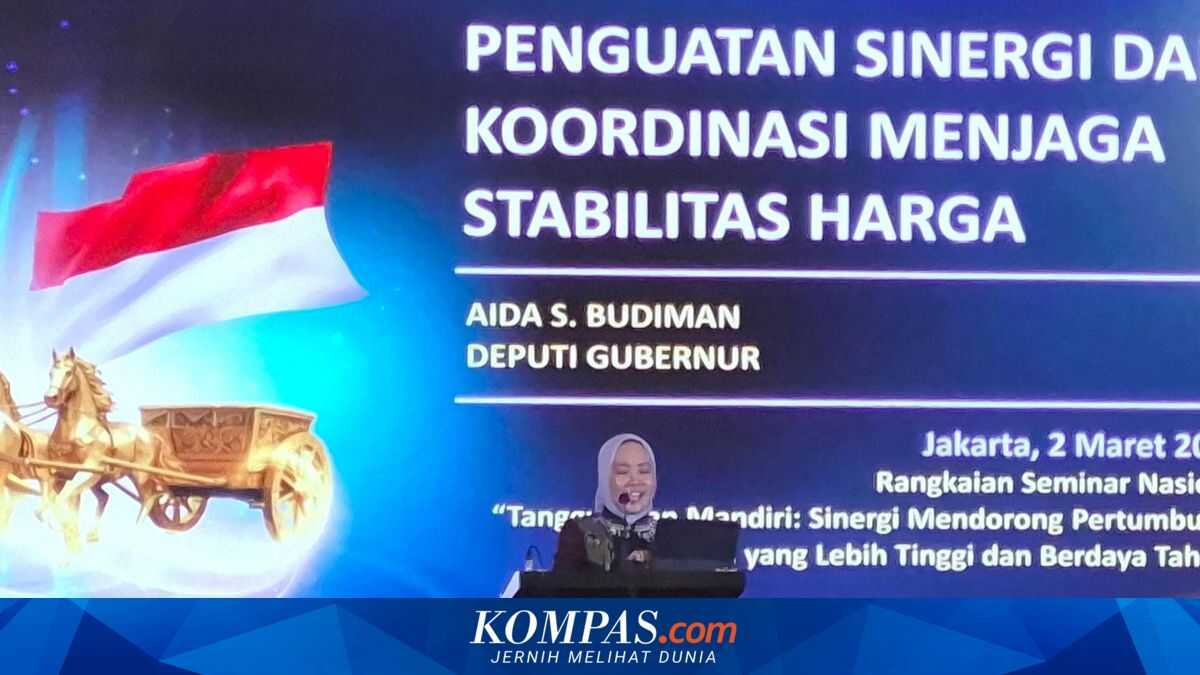
Deputy Governor Aida S Budiman stated that the global economy remains in a trend of deceleration, with uncertainty continuing to pervade global financial markets. These conditions are further exacerbated by mounting geopolitical tensions in the Middle East.
In mitigating the spillover effects from external shocks, BI has identified three principal channels of risk transmission.
The first channel is commodity prices, particularly oil, gold, and food, which are sensitive to conflict escalation. “If oil prices increase, there will naturally be increases in transportation costs and other expenses,” Budiman said.
The second channel involves global risk-off sentiment, which could drive volatility in foreign exchange markets and domestic financial markets.
The third channel concerns international trade volumes. Disruptions to supply chains and weakened global demand could impact Indonesia’s export performance, ultimately affecting economic growth and domestic price pressures.
“Bank Indonesia’s commitment remains to maintain stability. I want to emphasise this and we continue to be present in the market to ensure exchange rate stability is maintained, as well as address inflation,” Budiman stated.
Budiman added that a more comprehensive policy response would be presented by BI at the central bank’s Board of Governors meeting scheduled for March 2026.
Previously, BI had also assured that it would continue to safeguard the rupiah’s stability in line with its fundamentals amid intensifying geopolitical conflict in the Middle East.