
Bank and P2P Lending Collaboration Key to Expanding Credit to Micro Segments
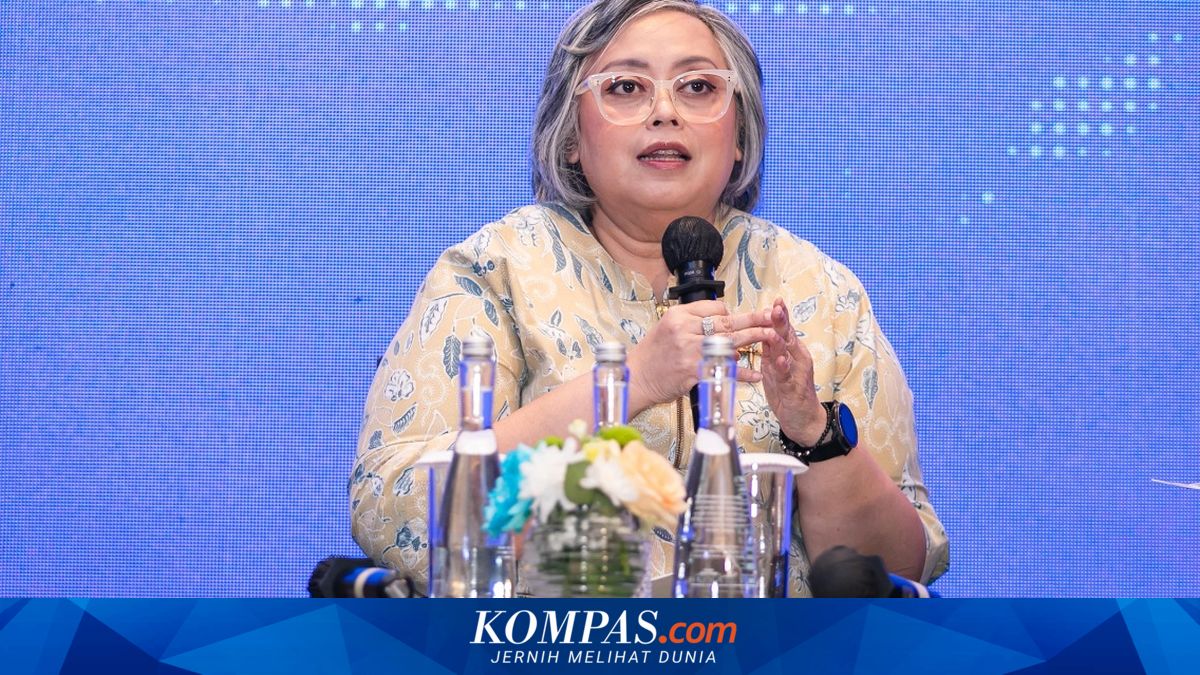
JAKARTA, KOMPAS.com – National banking is urged to expand financing access through collaboration with peer-to-peer (P2P) lending platforms or online lending (pindar), especially for segments that are not yet optimally served.
This can be achieved by implementing partnership standards that align with good governance and robust risk management.
Chair of the Product Development Division of the National Banks Association (Perbanas), Michellina Laksmi Triwardhany, stated that this collaboration allows banks to reach new customers more quickly and efficiently, without having to build the entire infrastructure from scratch.
According to the woman commonly known as Dhany, P2P lending can more easily reach micro or ultramicro segments that often struggle to access financing from banks.
“There are banks that have succeeded with their business in the micro or ultramicro segments. But such steps always require higher costs and greater human capital,” said Dhany.
From the banking perspective, Dhany noted that this partnership also opens opportunities for portfolio diversification, ecosystem strengthening, and risk sharing.
These standards form the foundation for the collaboration to run healthily and sustainably.
She added that the standards include good governance, accountability, transparency, and strong risk management.
Therefore, industry associations need to play a role in formulating partnership standards to maintain ecosystem stability.
Based on data from the Perbanas and Aftech White Paper, Indonesia’s credit-to-Gross Domestic Product (GDP) ratio still lags behind other countries in the region.
For the 2024–2025 period, Indonesia’s credit ratio is recorded at around 36.4 per cent, far below the average for upper-middle-income countries in East Asia and the Pacific, which reaches 74.46 per cent.
Dhany assessed that this condition indicates a large room for expansion of formal financing, especially for underbanked segments and small-scale business actors who are not yet fully served by banks.