
Banjarmasin Prison Optimises Library Services for Inmate Rehabilitation
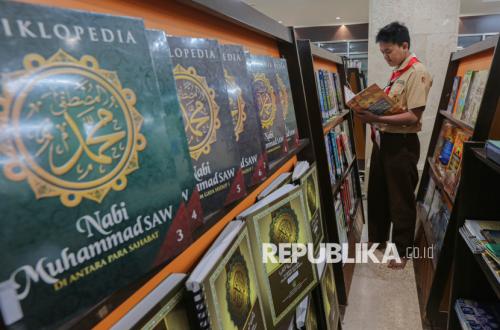
The Class IIA Penitentiary in Banjarmasin, South Kalimantan, is optimising library services as a rehabilitation tool to enhance inmates’ knowledge and personal qualities.
Head of the Inmate Guidance Section at Banjarmasin Prison, Gilang Wisnuwardhana, stated that the programme is a vital component in delivering direct-impact rehabilitation, positioning literacy as a key pillar for changing inmates’ behaviour and mindset.
“Reading activities represent a simple form of rehabilitation with significant effects on individual development, while also encouraging productive use of time within the prison,” he said in Banjarmasin on Tuesday.
According to Gilang, the library serves not merely as a supplementary facility but as a learning space that helps inmates fill their time with positive activities and boosts their intellectual capacity during rehabilitation.
He explained that optimising library services is directed towards creating a more educational and humane prison environment. Thus, the rehabilitation process focuses not only on discipline but also on human resource development.
Banjarmasin Prison views increased reading interest among inmates as a crucial indicator of the success of the literacy-based rehabilitation programme. This is expected to equip them with knowledge and skills upon returning to society.
Gilang added that these efforts align with the policies of the Directorate General of Corrections in promoting adaptive, inclusive rehabilitation oriented towards improving human quality.
One inmate with initials MPH admitted to experiencing direct benefits from the library facility, particularly in managing time and psychological conditions during his sentence.
“By reading books, I feel calmer and gain much new knowledge. Time here becomes more beneficial and not wasted in vain,” he said.
Meanwhile, in other regions, local governments are also promoting literacy strengthening as part of human resource development efforts. For instance, the DKI Jakarta Provincial Government plans to develop green open spaces and regional libraries to enhance positive activities for children.