
Banjarbaru MBG Regional Coordinator Evaluates Ramadan Menu
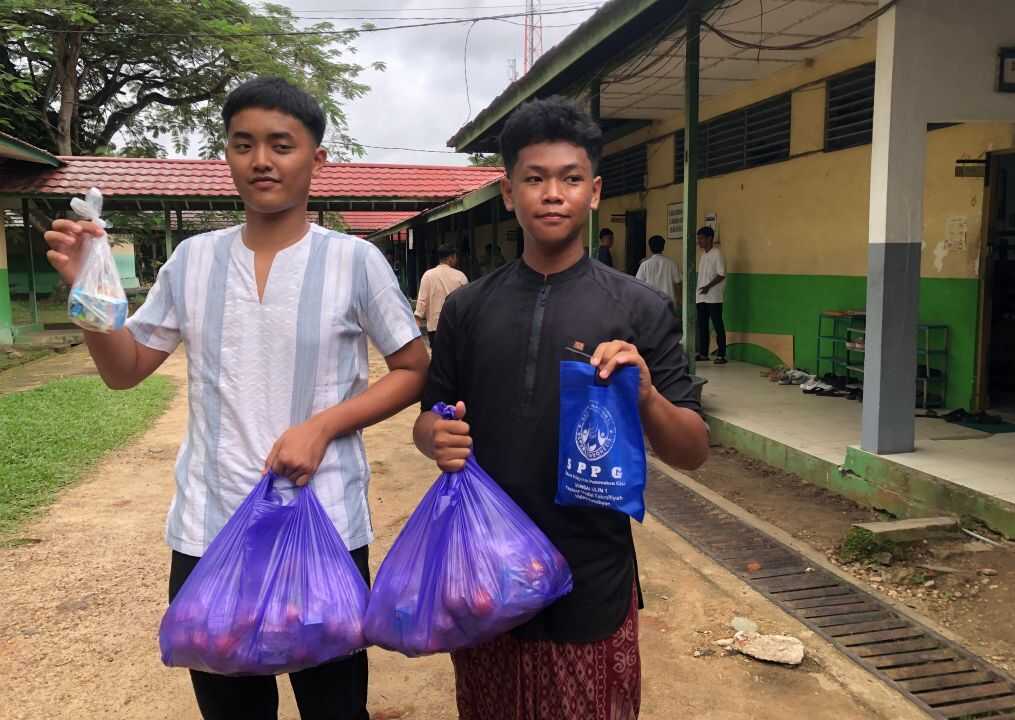
The Regional Coordinator of the Free Nutritious Meal Program (MBG) in Banjarbaru City, South Kalimantan, has received a number of reports from beneficiaries regarding the Ramadan MBG package menu, which is the subject of evaluation. The MBG package distributed during Ramadan consists of dry foods such as bread, eggs and fruits. The MBG Regional Coordinator for Banjarbaru City, Citra Nurfitriani, revealed that they have found several evaluations, including complaints that there is no milk included in the Ramadan MBG package. ‘So far there have been many evaluations because this is the first year of MBG Ramadan. In the future we will conduct large-scale evaluations to improve it,’ said Citra Nurfitriani on Wednesday (4 March). Citra explained that from the outset MBG Ramadan, run directly by the Head of the National Nutrition Agency (BGN), did not require a milk menu in the food package. BGN is meanwhile reportedly guided by the balanced nutrition guidelines from the Ministry of Health of the Republic of Indonesia (Kemenkes RI), which replaced ‘4 Healthy 5 Perfect’ with ‘Isi Piringku’. In Banjarbaru itself, there are 28 Nutrition Service Delivery Units (SPPG) that have been operating and 90 more SPPGs that are still under construction. Previously, Deputy Chairman of Commission IV of the South Kalimantan DPRD, Gusti Iskandar Sukma Alamsyah, said MBG implementation on the ground needs to be evaluated comprehensively. ‘The programme is good, but its implementation has not met expectations. There are many complaints from the public about the quality of the menu served not meeting nutritional standards and not liked by children,’ he said. According to Gusti Iskandar, MBG aims to improve nutrition and human resources from school age. However, benefits will not be achieved if on-the-ground implementation does not comply with regulations. The MBG budget allocation of Rp10,000 to Rp15,000 per portion is actually sufficient to provide nutritious food. ‘The budget is actually adequate. But the menu provided is far from nutritional standards,’ he said. Another issue is that many MBG kitchen operators (SPPG) do not pay enough attention to the taste of the food, causing students to be reluctant to eat the meals provided. In fact, students in some schools choose not to take their MBG allotment. There have been many reports. Gusti Iskandar said he has received many public reports and has often witnessed MBG practices in the field. The meals served appeared haphazard and their value was far below standard, making them unfit to be called nutritious. As such, the National Nutrition Agency has been urged to tighten supervision and to set clear menu standards that all MBG kitchen operators must follow. Separately, the Head of the BKKBN South Kalimantan representative office, Farah Adibah, recently said that MBG for the 3B targets (pregnant women, breastfeeding and toddlers) in the region is not yet optimal. Of around 230 Nutrition Service Delivery Units (SPPG) in South Kalimantan, only 52 serve the 3B group with distribution involving 713 TPK. (E-2)